KOLs und Werbung
Dexscreener boosts and the economics of paid visibility
Do not forget that the people behind Dexscreener make thousands upon thousands of dollars every single day from those paid boosts.
 MASTR
MASTRZuerst veröffentlicht 4 min · 714 Wörter
Original publication · 2 Dec 2025. Figures, claims and opinions reflect the original publication date.
Die Originalbeiträge sind auf Englisch. Die Navigation ist in sieben Sprachen verfügbar.
Dexscreener profits from scams and nobody wants to admit it?
Do not forget that the people behind Dexscreener make thousands upon thousands of dollars every single day from those paid boosts.
They profit directly from scams.
Every boosted chart is paid for by someone who plans to dump on you.
Almost every boosted coin is a scam.
Almost none survive longer than 2 days or even 2h.
Boosting is not a sign of credibility. It is paid manipulation designed to vacuum liquidity out of the dumbest and most desperate users.
Dexscreener does not just allow this.
They encourage it.
Because the dirtier the coin, the more aggressive the boost are.
Wash trading fills the feed. Fake volume fakes excitement. Scammers use the platform as a hunting ground and Dexscreener collects the boost fees with a smile.
They know exactly what is happening. They see the onchain flows. They see where every dollar goes. They see the rugs. They see the victims.
They simply do not care.
And here is the part nobody dares to say:
Dexscreener is one of the biggest contributors to the collapse of crypto culture. It accelerates the disappearance of real liquidity.
It rewards the worst actors. It amplifies the fastest rugs.
It destroys trust in every new project because the entire front page looks like a digital graveyard. It normalises scams as if they are a feature instead of a threat.
Real builders cannot compete with armies of bots, bribed influencers and boosted rug factories.
Honest liquidity cannot survive in an environment where fake volume is promoted, where exits are celebrated and where the platform profits most when users lose the fastest.
This is how culture dies. Not in one moment but through a thousand paid boosts.
Dexscreener helped create a market where nobody even flinches at a rug anymore. People just reload the page and look for the next trap.
And the worst part is that nobody says anything about it. Everyone pretends this is normal. Everyone shrugs and continues gambling because calling it out would expose how rotten the entire system has become.
So yes. Dexscreener is a massive part of the reason why liquidity disappears, culture decays and trust evaporates. And the silence around it is the most pathetic part of all.
After @phantom marked our coin as spam, after @Rugcheckxyz still shows the wrong logo for $MASTR even after a paid verification, and after @JupiterExchange doesn't verify a coin that has been alive for 13 months with mobile apps and all, while random scams get verified instantly, I am risking even more by saying this, but I am done with these big players.
And you should be too.
True builders have to fight like gladiators.
Fake stuff and big money get boosts from every side.
The real issue with Dexscreener is not that the platform exists or that charting tools make money.
The issue is what they chose to monetize.
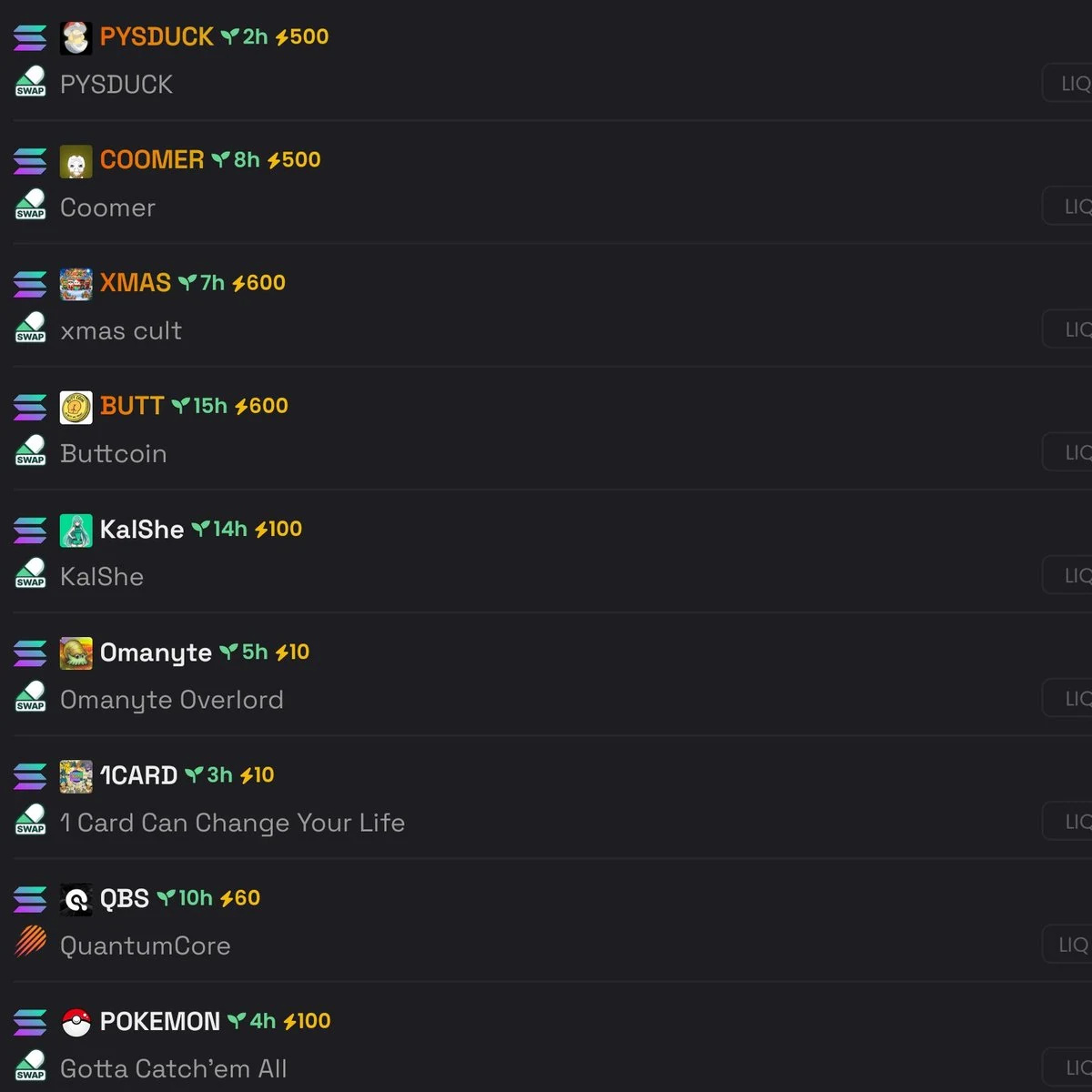
Their primary revenue stream is Boosts and paid visibility for tokens. Boosts artificially push coins into trending lists, increase exposure and influence trader behaviour based on paid promotion rather than real data.
Public listings and community reports show that most Boost buyers are hyper speculative projects and liquidity traps. A system like that rewards whoever pays the most, not whoever builds the most.
Dexscreener could have gone in a completely different direction.
They sit on massive onchain data. They have real usage. They could build serious revenue streams that strengthen the ecosystem instead of weakening it.
They could offer institutional grade analytics.
They could provide subscription based dashboards. They could license onchain datasets.
They could offer premium alerts.
They could build security scoring using pattern recognition.
They could surface audited projects.
They could analyse wallet behaviour and detect coordinated dumps.
They could integrate developer tools, anti rug intelligence, API plans and enterprise access tiers.
This would create long term, stable, scalable revenue. It would build trust and strengthen crypto. Instead they chose a model where the easiest money comes from pump tokens, paid trending manipulation and visibility for people who already have the budgets to game the system.
Dexscreener could be a real crypto layer.
They chose to be a megaphone for volatility because it pays fast.
That decision shapes the entire culture around their platform.