Phishing, attacchi e privacy
Practical security across Web2 and Web3
The original security guide, covering account access, devices, phishing and everyday crypto use.
 MASTR
MASTRPrima pubblicazione 6 min · 1,117 parole
Original publication · 19 Dec 2024. Figures, claims and opinions reflect the original publication date.
Le pubblicazioni originali sono in inglese. La navigazione è disponibile in sette lingue.

Originally published as “Actionable Tips for Staying Safe in web2 and web3: Comprehensive Guide for Security”
The cryptocurrency market offers immense opportunities, but it is also riddled with risks and scams. To navigate this volatile space safely, investors must adopt robust strategies, critical thinking, and the latest tools. Below is an expanded guide with actionable tips to protect yourself, avoid scams, and leverage the upcoming $MASTR app to secure your crypto #investments.
https://linktr.ee/askmastr.xyz
If you found this article helpful and believe in protecting the crypto community, please like, share it with your friends, and help us spread awareness about the risks and solutions in the space. Follow us for more insights and important updates – together, we can make the ecosystem safer. Our app will bring all essential features and information together in one ecosystem.
Be sure to check out our other articles and join the movement against crypto scams!
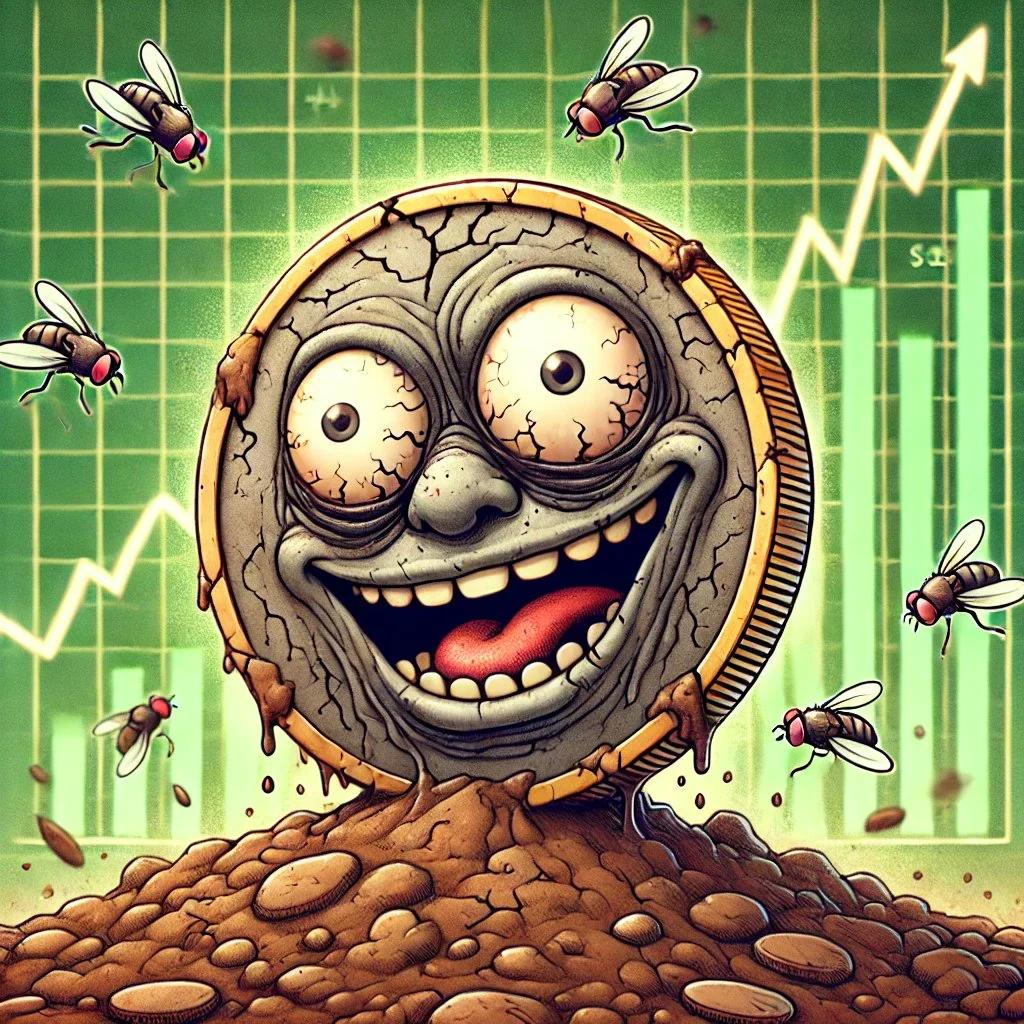
1. Think Twice Before Investing in a #Shitcoin
One of the most common traps in the crypto world is FOMO (fear of missing out) over coins with no real use case or utility. These so-called "shitcoins" are often hyped on social media and forums, creating a false sense of urgency to invest.
What to Watch Out For:
- No Real Use Case: Coins that don't solve a problem or provide value to the ecosystem often collapse once the hype fades.
- Lack of #Utility : Tokens that only rely on price speculation, with no roadmap or ecosystem, are high-risk gambles.
- Pre-Mine or Insider Control: Many of these coins are pre-mined or controlled by a small group of people who benefit at the expense of retail investors.
Don’t Trust the Hype:
- Social media platforms like X (formerly Twitter) are often used to create FOMO. Influencers and cabals (groups with vested interests) are paid to promote these coins, knowing they will profit from your losses.
- Example: A well-known meme coin was pumped by influencers, only for insiders to dump their holdings, leaving retail investors with significant losses.
How to Protect Yourself:
- Research the project’s use case, team, and tokenomics before investing.
- Avoid investments driven solely by social media hype or promises of quick returns.
- Use $MASTR’s pre-investment check #tools to verify project legitimacy.
2. Educate Yourself Regularly
Knowledge is your best defense against scams. Staying updated on market trends and security practices is essential for making informed decisions.
How to Stay Educated:
- Follow Trusted Platforms: Stick to reputable sources like CoinDesk, Cointelegraph, and $MASTR’s official channels for scam alerts and news.
- Engage in Communities: Join Telegram groups, Discord servers, or Reddit forums where knowledgeable users share insights about scams and investments.
- Take Online Courses: Platforms like Binance Academy and Ethereum.org offer free resources to improve your understanding of blockchain and crypto.
$MASTR Tip: The $MASTR app will include an educational section with the latest tips, guides, and scam alerts to keep you informed.

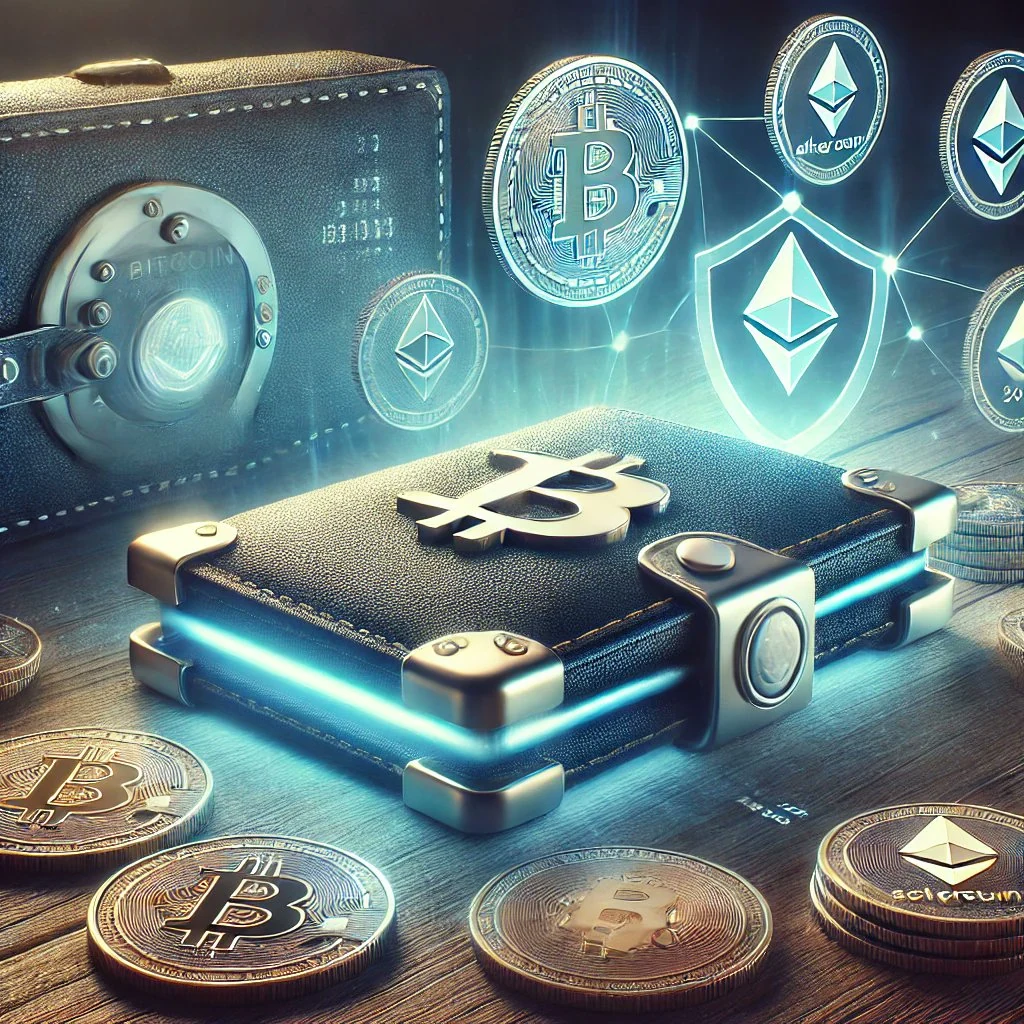
3. Use Cold Storage Wallets
Cold storage wallets, also known as hardware wallets, provide offline storage for your crypto, making them impervious to online hacking attempts.
Best Practices:
- Buy from Reputable Sources: Only purchase wallets like Ledger or Trezor directly from the manufacturer to avoid counterfeits.
- Secure Your Recovery Seed: Write your recovery phrase on paper and store it in a secure, offline location.
- Keep Software Updated: Regularly update your wallet’s firmware to patch vulnerabilities.
$MASTR Advice: Use cold wallets for long-term holdings and hot wallets for smaller, day-to-day transactions.
4. Avoid FOMO on X
Many scams thrive on FOMO created by influencers or cabals. Recognizing these patterns can save you from unnecessary losses.
Spotting FOMO Traps:
- Influencer Posts: Posts with statements like “Don’t miss this 100x gem!” are red flags, often sponsored by the projects themselves.
- Hype Groups: Telegram or Discord groups that repeatedly push a single coin are often coordinated efforts to pump the price artificially.
- Fake Urgency: Claims like “Limited time to invest!” are designed to pressure you into rash decisions.
How to Protect Yourself:
- Pause and critically analyze the project’s fundamentals. If there’s no clear utility or roadmap, avoid it.
- Use $MASTR Badge Projects, which have been vetted for transparency and sustainability.

5. Enable Multi-Factor Authentication (MFA)
MFA adds an extra layer of security to your crypto accounts, making it harder for attackers to gain access.
Implementation Tips:
- Use authentication apps like Google Authenticator or Authy instead of SMS-based MFA, which can be vulnerable to SIM-swapping attacks.
- Enable MFA on all platforms, including exchanges, wallets, and portfolio trackers.
$MASTR Security: The $MASTR app will come with secure login features, including MFA, to protect your investments.
6. Diversify Your Investments
Putting all your funds into one project is a recipe for disaster, especially in a market as volatile as crypto.
Why Diversify?
- Reduce Risk Exposure: A diversified portfolio can absorb losses from one project without catastrophic effects.
- Expand Opportunities: Diversification allows you to participate in promising projects across different sectors, like DeFi, NFTs, and Layer 2 solutions.
- Avoid Emotional Decisions: With diversified investments, you’re less likely to panic-sell during market dips.
$MASTR Advantage: Use $MASTR tools to verify projects and ensure your portfolio includes only legitimate investments.
7. Verify Before Trusting
Scams often rely on users acting impulsively. Always take the time to verify before you trust any request or opportunity.
Steps to Verify:
- Cross-check URLs for typos or misspellings. Fake websites often mimic official platforms.
- Authenticate any communication with official channels. Avoid Telegram or Discord messages that seem unusual or urgent.
- Never share private keys, recovery phrases, or passwords—no legitimate service will ever ask for them.
$MASTR Assistance: $MASTR actively tracks phishing sites and provides warnings about suspicious platforms.
8. Stay Alert for Emerging Scams
New scam tactics emerge every day, making it critical to stay proactive in recognizing threats.
Trends to Watch:
- Deepfake Scams: AI-generated videos of trusted figures asking for investments.
- Flash Loan Exploits: DeFi attacks manipulating protocol vulnerabilities.
- Fake Airdrops: Phishing schemes that lure users into connecting wallets to steal funds.
How $MASTR Helps: The app will include scam alerts, deepfake detection, and a vetted project list to keep you safe.
9. Follow $MASTR
The cryptocurrency space can be overwhelming, but $MASTR is here to make it easier. Follow $MASTR on social media to stay informed about the latest scams, market trends, and security updates. Be prepared for the $MASTR app, launching soon, which will consolidate tools for safety, education, and investing into one powerful platform.
Conclusion
Investing in cryptocurrency can be both rewarding and risky. By following these expanded security practices, you can significantly reduce your exposure to scams and malicious actors.
The upcoming $MASTR app will empower you with tools for scam detection, secure investments, and continuous education, ensuring you navigate the crypto space with confidence.
Think twice before trusting the hype, verify every move, and let $MASTR be your trusted ally in crypto safety.

Fonti e pubblicazioni originali
- Originale su X
- X article · Actionable Tips for Staying Safe in web2 and web3: Comprehensive Guide for Security