Política e conflitos de interesses
Iran, Nobitex, mining and cross-border crypto flows
Estimates for 2025 put Iran linked crypto activity at roughly $8 billion to $10 billion, while analysts say up to 15 million Iranians have had some exposure to crypto. Iran’s biggest exchange, #Nobitex, has reportedly claimed around 11…
 MASTR
MASTRPrimeira publicação 4 min · 735 palavras
Original publication · 21 Mar 2026. Figures, claims and opinions reflect the original publication date.
As publicações originais estão em inglês. A navegação está disponível em sete idiomas.
Iran..
...war, Binance, Nobitex, $BTC mining and Crypto:
An Investigation. (Yes, that is the short version.)
Over the past few years, crypto in Iran has stopped being a niche story.
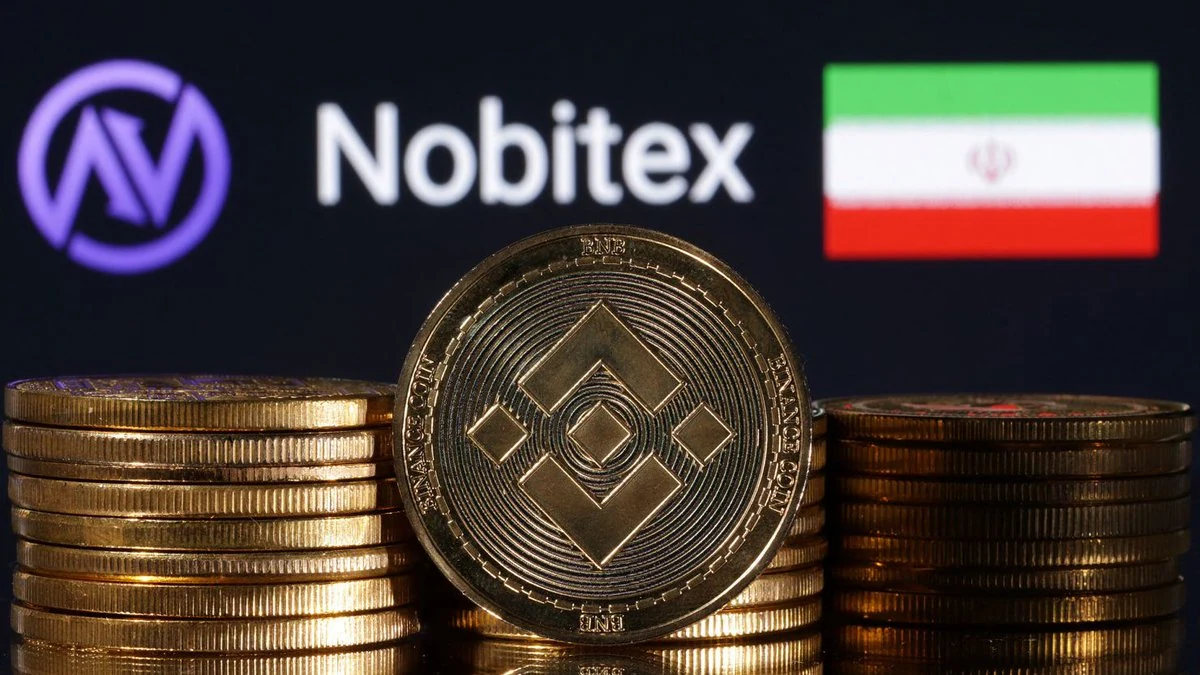
Estimates for 2025 put Iran linked crypto activity at roughly $8 billion to $10 billion, while analysts say up to 15 million Iranians have had some exposure to crypto. Iran’s biggest exchange, #Nobitex, has reportedly claimed around 11 million users. That alone tells you this is no longer just speculation.
In Iran, crypto has become parallel financial infrastructure.
The reason is brutal and simple. For ordinary people, crypto became an escape hatch from a collapsing rial, inflation, and isolation from the global banking system.
For the state and networks tied to it, crypto became something else: a workaround. A payment rail. A sanctions tool. A shadow channel for moving value when traditional finance is blocked. That is why Iran matters. It reveals both faces of crypto at the same time: survival and evasion.
Mining was one of the earliest pillars of that system.
In 2021, we estimated that about 4.5% of global Bitcoin mining was taking place in Iran, generating hundreds of millions of dollars in crypto that could be used for imports and to soften the impact of sanctions.
4.5%.
In plain words: Iran found a way to turn stranded energy into borderless money. But the tradeoff hit at home.
Mining also became tied to blackouts, power shortages, and public anger, and authorities later cracked down on illegal farms, even seizing 7,000 mining machines in one operation.
By 2022, the model had evolved beyond mining. Iran publicly announced its first official import order paid with crypto, worth $10 million.
That was the moment the signal became impossible to ignore. Crypto was no longer just an asset inside Iran. It had become part of trade settlement itself.
Then came the exchange layer. Blockchain data later showed that Binance processed around $8 billion in Iranian linked transactions since 2018, with $7.8 billion of that reportedly flowing through Nobitex.
That matters because it shows how Iranian liquidity was able to touch global markets despite sanctions. It also exposed the uncomfortable truth at the center of crypto: when offshore infrastructure is loose enough, sanctioned capital does not disappear. It reroutes.
US regulators noticed.
In 2022, U.S. authorities settled sanctions cases with crypto platforms including Kraken over Iranian users accessing services that should have been blocked. The message was obvious: crypto was not outside geopolitics anymore. It had become one of its new front lines.
The darker layer is what makes this story impossible to dismiss.
Analysts and investigators increasingly point to parts of Iran’s crypto ecosystem being linked to the IRGC. Estimates differ on how large that share is, but the broader concern is consistent across enforcement and blockchain intelligence: parts of this market appear tied not just to retail demand, but to sanctions evasion, strategic finance, and state aligned networks. FATF still classifies Iran as a high risk jurisdiction and continues calling for enhanced countermeasures, including around virtual asset activity.
And when crisis hits, the chain moves immediately.
After the strikes on Iran in late February 2026, researchers saw more than $10.3 million leave Iranian exchanges in just days, with outflows from Nobitex peaking at $2.89 million in a single hour.
That is one of the clearest signs of what crypto becomes under pressure: not theory but an emergency exit.
Even Iran’s crypto infrastructure has become part of open geopolitical conflict.
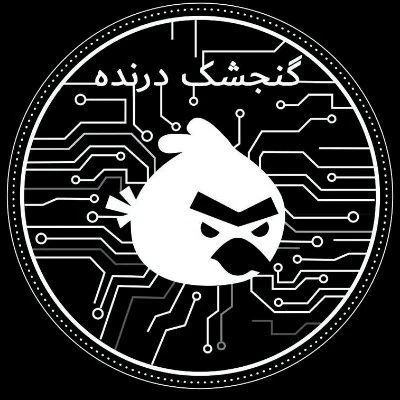
In June 2025, Nobitex, Iran’s largest exchange, was attacked by Predatory Sparrow, the Israel linked hacking group that also struck Bank Sepah a day earlier.
Around $90 million in crypto was sent to wallets with no usable private keys, meaning the funds were effectively burned rather than stolen for profit.
The message was clear: this was a political operation aimed at an exchange long accused of helping Iran bypass sanctions and move value for actors tied to the IRGC. This was part of the conflict.
That is why this matters for every serious crypto account.
If you talk about adoption, stablecoins, censorship resistance, sanctions, self custody, or financial sovereignty, and you ignore Iran, then you are skipping one of the most important case studies in the entire space.
Iran shows what crypto looks like when people genuinely need it, when states exploit it, and when the distance between financial freedom and financial warfare becomes dangerously small.