

Noms, identité et contenu web
ENS names: why a reverse record needs a forward check
A readable name improves navigation only when the address relationship is verified.
Les articles et schémas techniques sont en anglais. La navigation est disponible en 7 langues.
Guides de référence
Forward resolution
ENS separates a name’s registry entry from the resolver that supplies records. For an address lookup, software finds the resolver and asks for the relevant address record. Other records can describe content or text. The ownership and configuration of these components matter: a familiar name can later resolve to a different address after an authorised change or loss of control. 1
The reverse claim
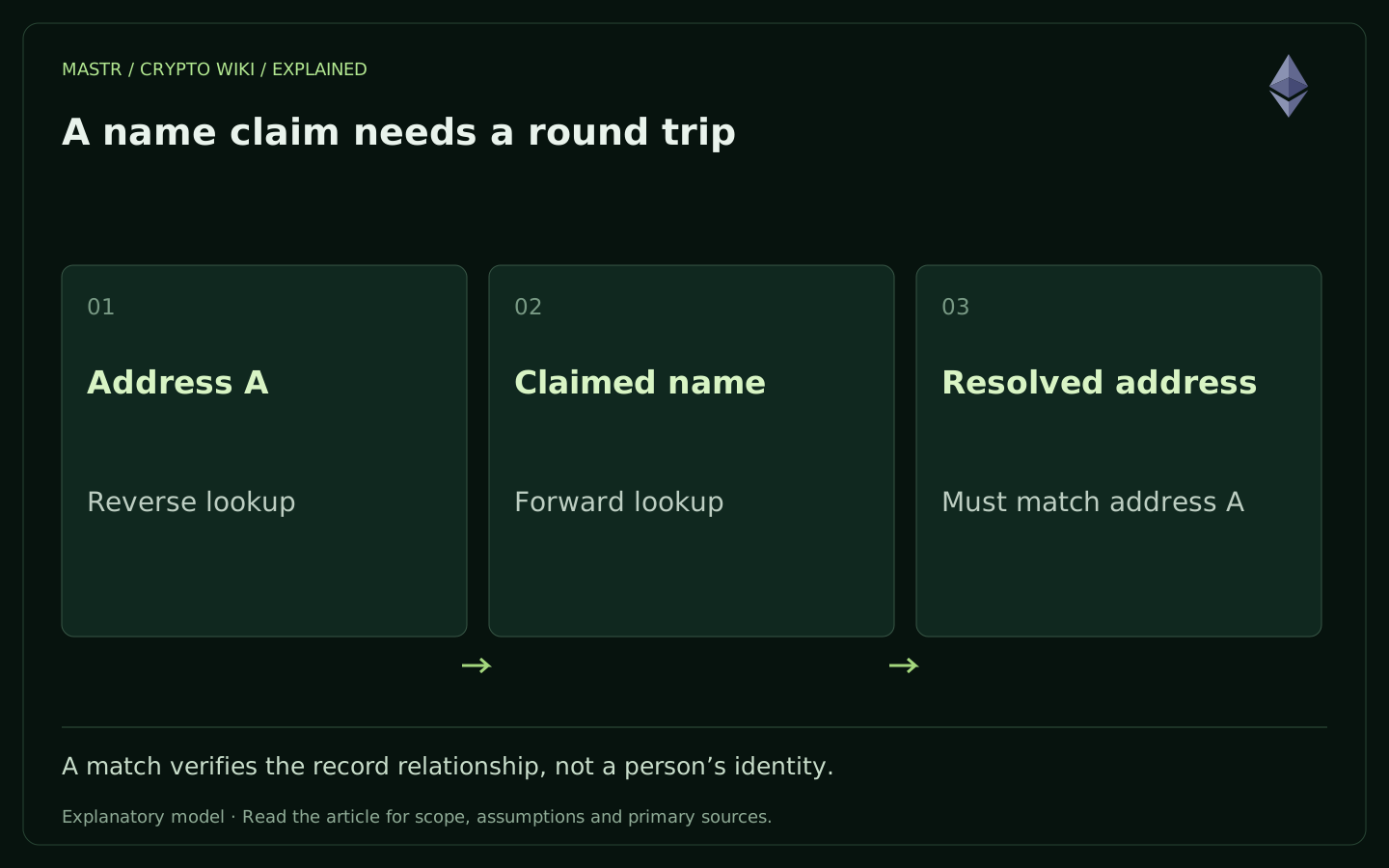
Reverse resolution asks which name an address claims as its primary name. That claim is not enough on its own. The client should resolve the returned name forward and verify that it points back to the original address. If the match fails, it should not display the unverified name as that address’s established identity. ENS documentation makes this cross-check explicit.
Readable is not verified identity
Even a successful forward/reverse match demonstrates a configured relationship, not a legal identity or business endorsement. Lookalike characters, misleading text records and expired or transferred names remain separate concerns. The relevant chain and address record type also need to match the operation. A contact you verified last year may deserve a fresh check before an important transfer.
Research use
For an investigation, preserve the address, chain and observation date alongside the resolved name. A later name change should not silently rewrite an older finding. When publishing a screenshot, keep enough of the address visible to distinguish the evidence from a decorative label. Names can help readers follow an account; attribution still requires independent supporting evidence.
Exemple concret
Address A claims the name example.eth in a reverse record, but the forward record for example.eth resolves to address B. The check fails. A careful interface continues to show A as an address instead of treating the reverse claim as authenticated ownership of that name.