Histoire crypto
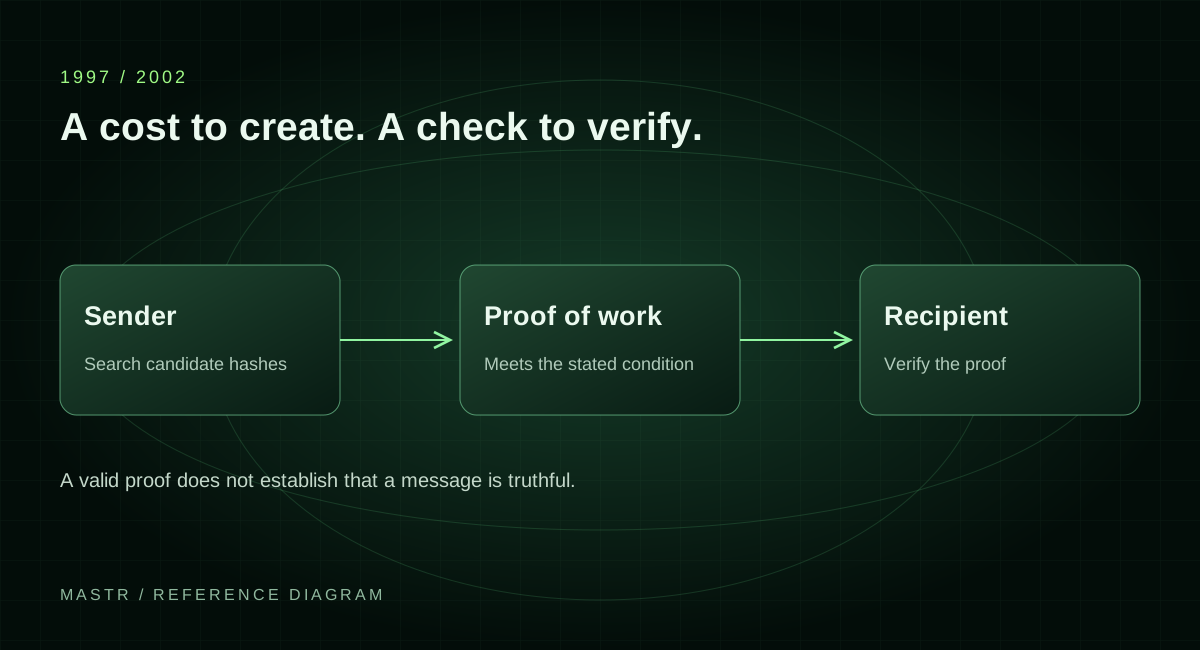
Hashcash: proof of work before Bitcoin
A computational postage stamp for internet abuse became one ingredient in a different system: public transaction ordering.


Enquêtes · Histoire · Références
Des idées avant Bitcoin aux réseaux programmables, aux cycles et aux crises. Parcourez par période ou année.
Suivez les mécanismes autant que les dates. Ces parcours relient les jalons techniques aux institutions, incitations et défaillances. La chronologie distingue chaque événement et ses sources.
Chronologie complète · 123 ↗A computational postage stamp for internet abuse became one ingredient in a different system: public transaction ordering.
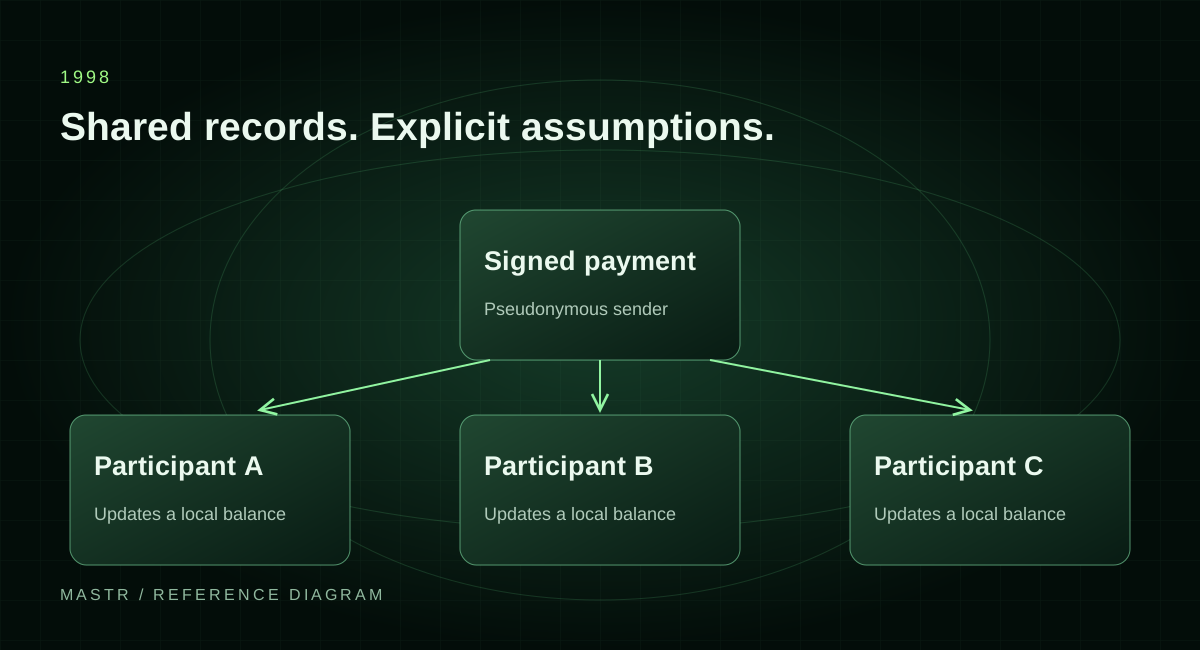
Wei Dai’s 1998 proposal explored pseudonymous accounts, distributed bookkeeping and contract enforcement before Bitcoin.
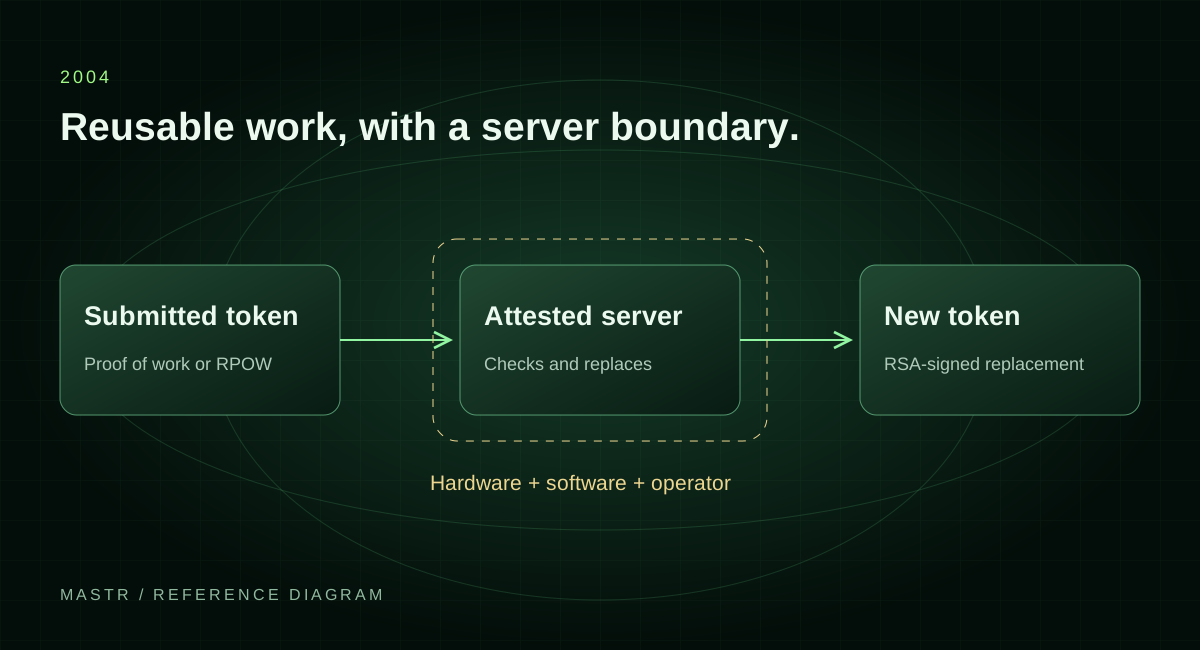
Hal Finney’s 2004 experiment made proof-of-work tokens reusable through an attested server, with a different trust model from Bitcoin.
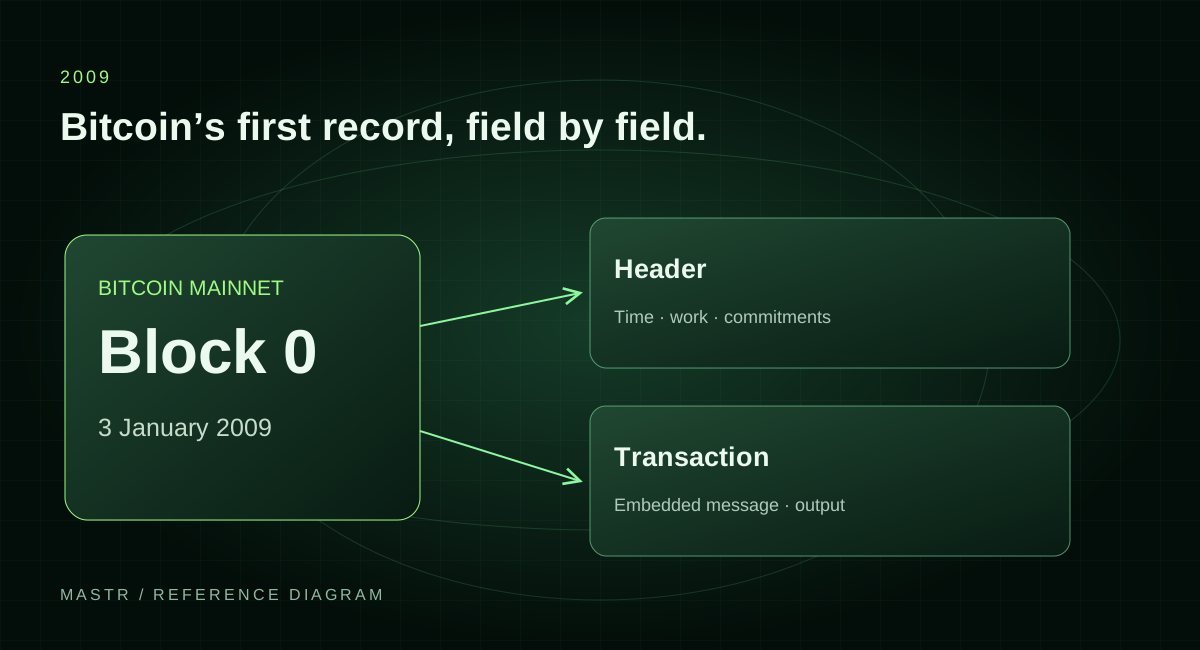
The first block provides an inspectable starting point. Its timestamp, embedded text and special reward behaviour answer different questions.
The original design addressed payment history without a central operator, not every form of financial deception.
From the 2014 exchange collapse to civil rehabilitation and repayments: custody, creditor claims and the dates behind the headlines.
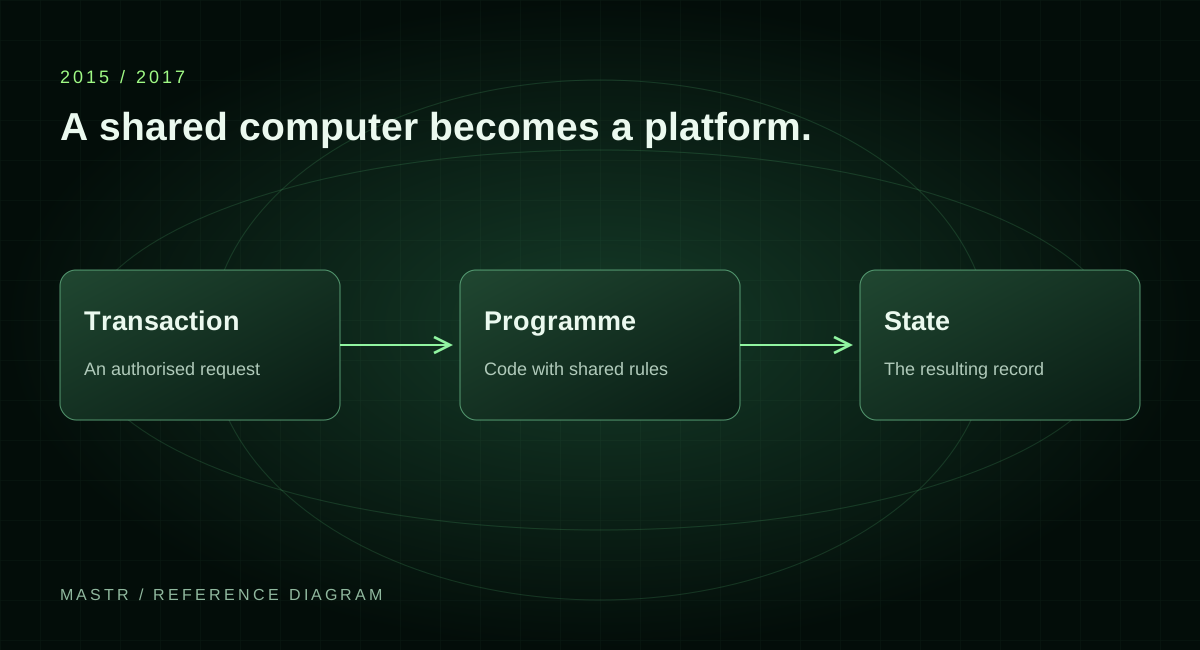
Frontier expanded the blockchain model from a payment history into a platform for programmes and persistent state.
The application incident and the community's response became separate parts of Ethereum history.
Fundraising, token rights and paid distribution became tightly connected.
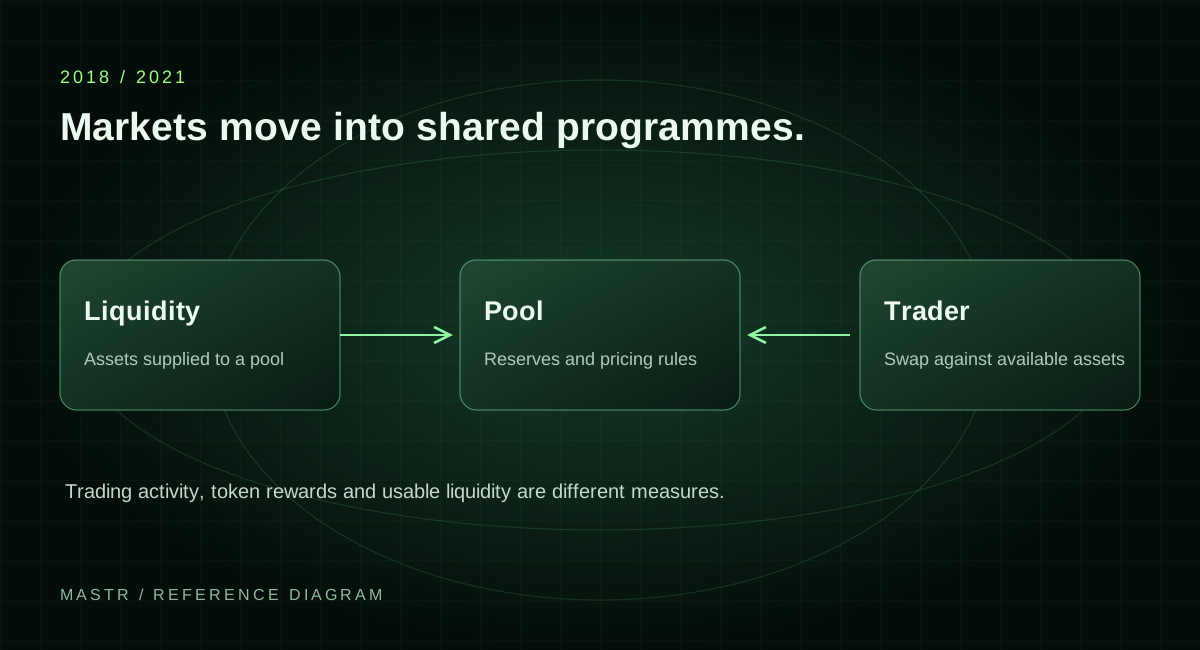
Automated market makers changed who could create a market and where execution costs appeared.
Compound's distribution helped popularise an incentive model that made activity and sustainable demand harder to separate.
Beeple's auction showed the reach of tokenised ownership, while the token standard left many rights outside the contract.
The redemption mechanism explains the feedback loop; the court records explain the misleading claims surrounding it.
How the exchange funded its affiliated trading firm, why the risk engine did not protect customers and what later recovery percentages actually measured.
The Merge changed block production while preserving application state and the existing ETH asset.
Blob transactions reduced one component of rollup costs without turning every layer 2 into the same security model.
Exchange-traded exposure brought a familiar securities wrapper around an asset still held through a custody chain.