

Noms, identité et contenu web
Passkeys and crypto wallets: easier login, a new recovery map
The origin-bound credential, the account’s authority and the backup system need separate inspection.
Les articles et schémas techniques sont en anglais. La navigation est disponible en 7 langues.
Guides de référence
What a passkey changes
WebAuthn lets a relying party authenticate a user with a public-key credential scoped to that party. The authenticator signs a challenge; the server verifies it using the registered public key. The credential is not a shared password that a lookalike website can simply collect and reuse. Origin and relying-party checks are central to that protection. They do not validate the economic meaning of every action a signed-in application proposes. 1
Login is not the same as spending authority
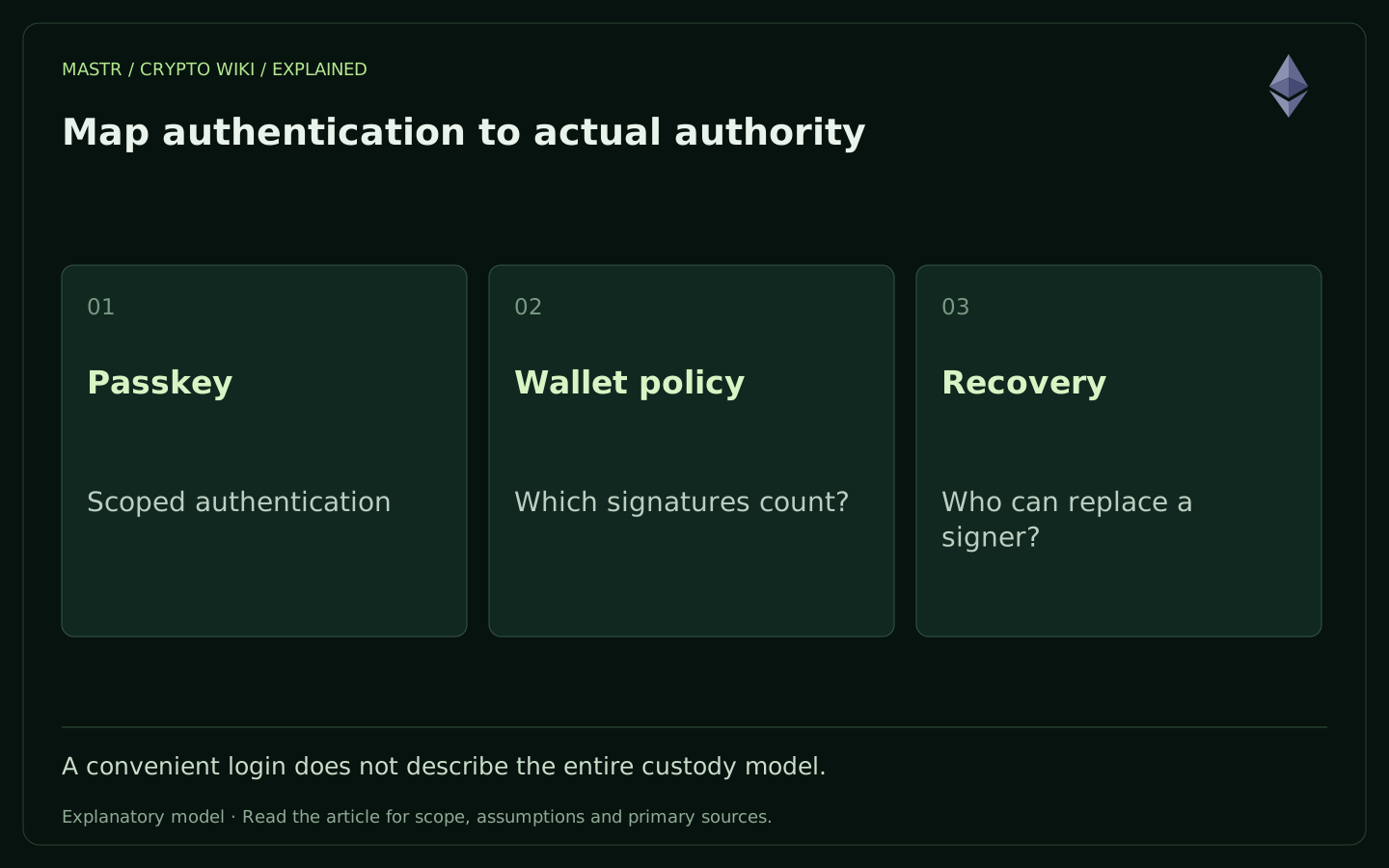
A passkey might only log you into a portfolio service. In another product, it may authorise actions for a smart account or help unlock locally stored wallet material. Those architectures have different failure modes. Ask exactly which signature the chain accepts, which component translates the authentication result and which alternative keys or guardians can change account control.
Device-bound or synchronised?
Some credentials are tied to a device; others can be backed up and synchronised through a credential provider. The provider’s account recovery process then becomes relevant to regaining access. A wallet can also have its own recovery route independently of the passkey. ‘No seed phrase’ describes an interface choice, not the absence of a recovery dependency. WebAuthn exposes backup-related properties, but the complete product design still matters. 1
Questions worth answering before funding
Identify the relying-party domain, the device or sync provider, the smart-account address if applicable, and every route that can install a new signer. Confirm whether access survives a lost phone, a disabled cloud account and disappearance of the wallet website. Keep the distinction between authentication and authorisation visible: successfully proving who controls a credential does not establish that a requested transfer is sensible.
Exemple concret
A passkey signs you into a dashboard, while a hardware wallet still signs transactions. Losing the passkey blocks the dashboard until account recovery; it does not automatically remove control of the hardware wallet. A passkey-controlled smart account can have a different outcome. The product architecture decides.