

MASTR · CRYPTO & WEB3
DAO governance: follow the vote all the way to execution
A public vote can be transparent while power remains concentrated in delegation, proposal rights, upgrade keys or execution.
Les chapitres et schémas techniques sont en anglais. La navigation existe en sept langues.
Can the successful vote actually cause the promised action?
A vote is one stage in a process
A governance interface can display a proposal and a vote result, but the system may still depend on another party to execute the outcome. Some votes are signals; others queue specific calls to contracts. Before interpreting a result, identify whether it changes state directly, authorises an executor or merely expresses a preference. The distinction is part of the protocol’s design, not an incidental user-interface detail.
Count effective control
Token balances, delegation, quorum, proposal thresholds and voting periods shape who can influence a decision. A large nominal holder base may coexist with a small active voting set. Borrowing, custody or delegation arrangements can complicate the interpretation of voting power. Do not assume that a wallet voting a balance represents one independent person, or that abstention is equivalent to opposition.
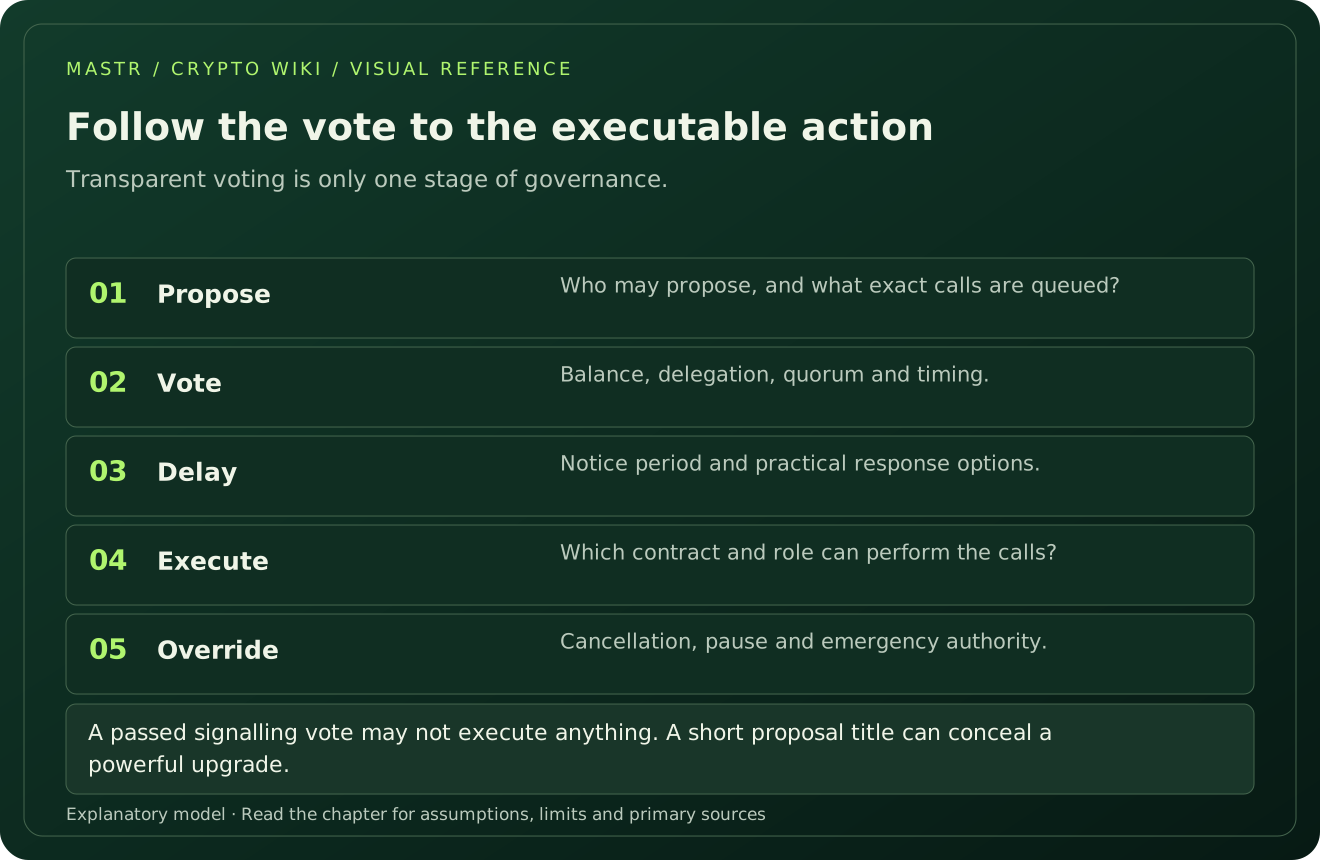
Execution contains the real permissions
A proposal’s title is not the executable payload. Read the target contracts, call data, transferred value and any upgrade or role changes. An apparently minor administrative change can give a new party the ability to alter future behaviour. A timelock can provide notice before an action, but its benefit depends on the ability to understand the action and, where possible, exit or respond before execution.
The DAO belongs to several histories
The 2016 DAO episode matters to smart-contract security and Ethereum’s governance history. The SEC’s July 2017 investigative report is a separate dated regulatory event concerning the DAO tokens. These should not be compressed into one timeless statement about all decentralised organisations. A technical exploit, a community response and a regulator’s finding are different events with different evidence.
Review emergency and cancellation paths
Who can cancel a queued proposal? Who can pause a contract? Can an emergency council bypass normal voting? Those mechanisms may serve legitimate operational purposes, but they change the control map. Explain their scope and constraints rather than treating their existence as automatically good or bad. Governance is understandable when the proposal, approval, delay, execution and override paths are all visible.
Exemple expliqué
A community votes to reduce a fee, but only a multisig can call the setter. If the multisig declines, the vote alone has not changed the contract. Conversely, a vote to upgrade an implementation can change far more than the headline suggests.
Questions à retenir
- Determine whether the vote is binding.
- Read the executable payload.
- Map cancellation and emergency authority.