Official MASTR logo MASTR Support the work
Contents
← Wiki home

Scam patterns

Search-ad poisoning

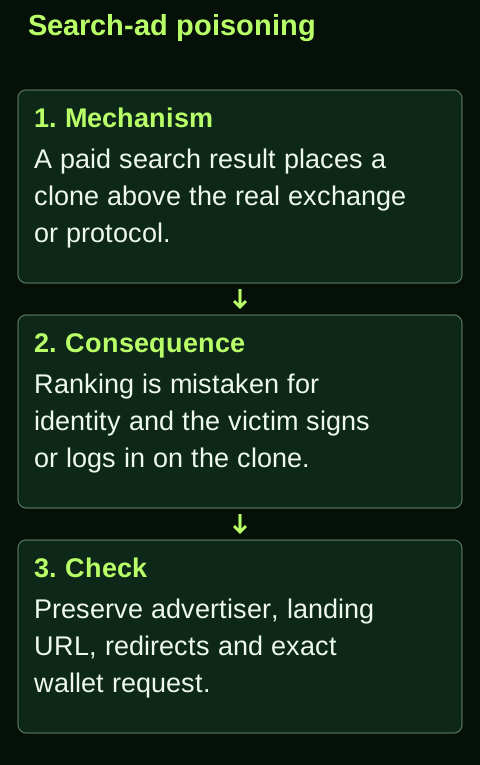
A paid search result places a clone above the real exchange or protocol.
Reference note · Sources below

Research articles and reference entries are published in English. Navigation is available in seven languages.

In this article
  1. Overview
  2. Why it matters
  3. What to check
  4. Sources

Overview

A paid search result places a clone above the real exchange or protocol.

Search-ad poisoning. A paid search result places a clone above the real exchange or protocol.
Open full-size diagram

Why it matters

Ranking is mistaken for identity and the victim signs or logs in on the clone.

What to check

Preserve advertiser, landing URL, redirects and exact wallet request.

Sources

Related reading

MASTR

Support independent research

The investigations, original evidence and guides here are free to read. Voluntary donations help fund the research and keep MASTR’s tools available.

Open wallet