Wallets & security
Sign-In with Ethereum: what a login signature actually opens
Read the domain, the challenge and the session before treating a signature as a harmless login.


Research · History · Reference
Investigations, crypto history and practical explanations of scams, market incentives and blockchain systems. Start with MASTR’s own research, follow the timeline or search the archive.
Editorial selection from separate research topics.
24 · Reference chapters / 6 · Learning paths
Understand how crypto was built, how its systems connect and where trust enters the picture.
09.10.2026 · Web2 / Web3
The details behind a login, a payment and the page in your browser.
Read the domain, the challenge and the session before treating a signature as a harmless login.
A predictable address commits to deployment inputs. It does not tell you that the resulting application is safe.
Account and storage proofs can make an RPC answer verifiable, but they do not choose the canonical chain for you.
The page, its cache and its network data can be on different versions. A successful deployment does not update every open tab immediately.
A bitcoin: link carries payment instructions. Its label is not a verified identity and scanning it is not payment confirmation.
Understand why an API can fail in a browser yet remain reachable, and why removing a CORS error can create a different problem.
24 new guides to wallets, Bitcoin, Solana and market mechanics. Follow a reading path or choose a specific question.
Names, identity and web content
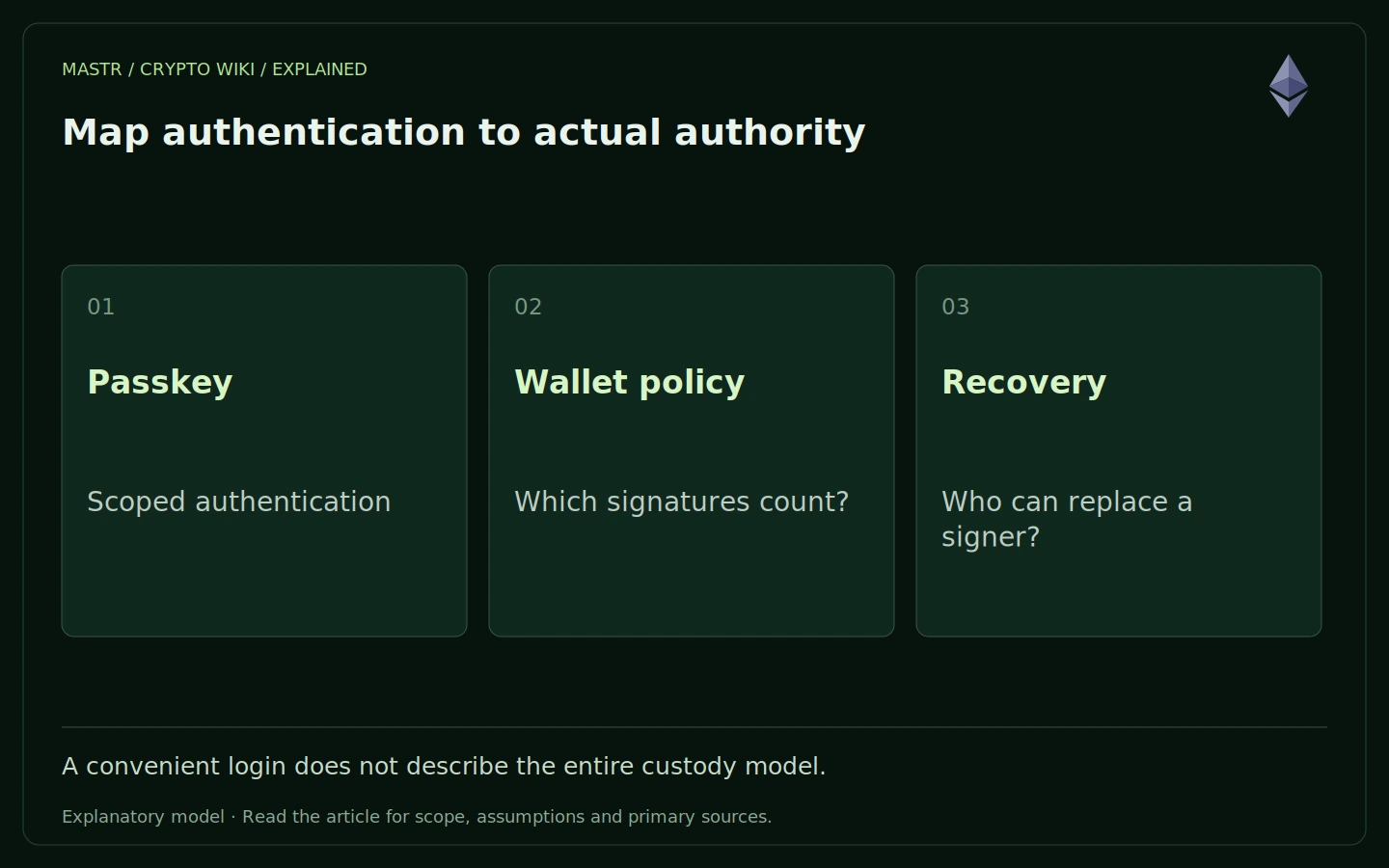
The origin-bound credential, the account’s authority and the backup system need separate inspection.
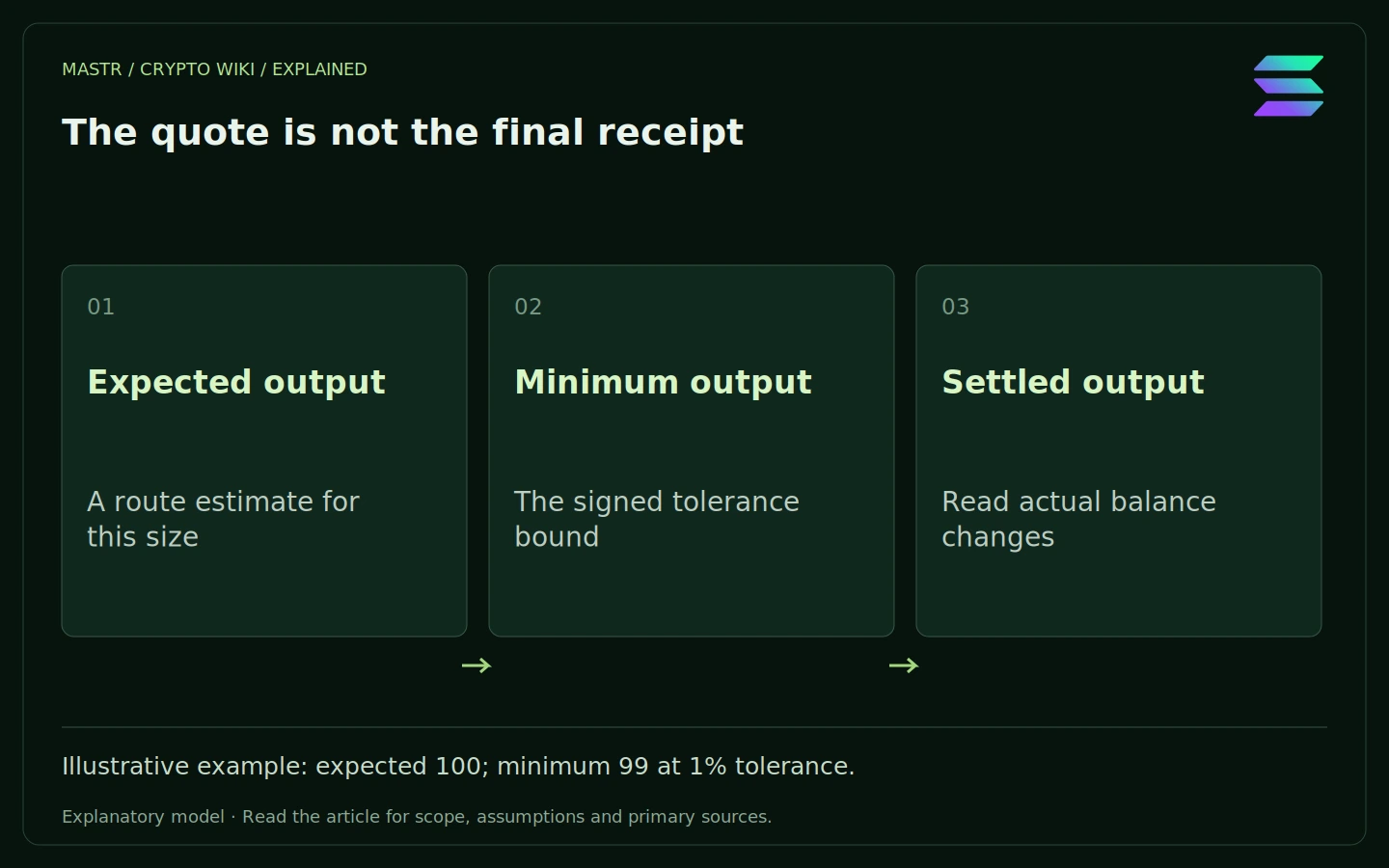
Solana: from quote to settlement
A route quote is a timestamped estimate for a size, not a promise that the last chart price is executable.
Liquidity, prices and pool rules
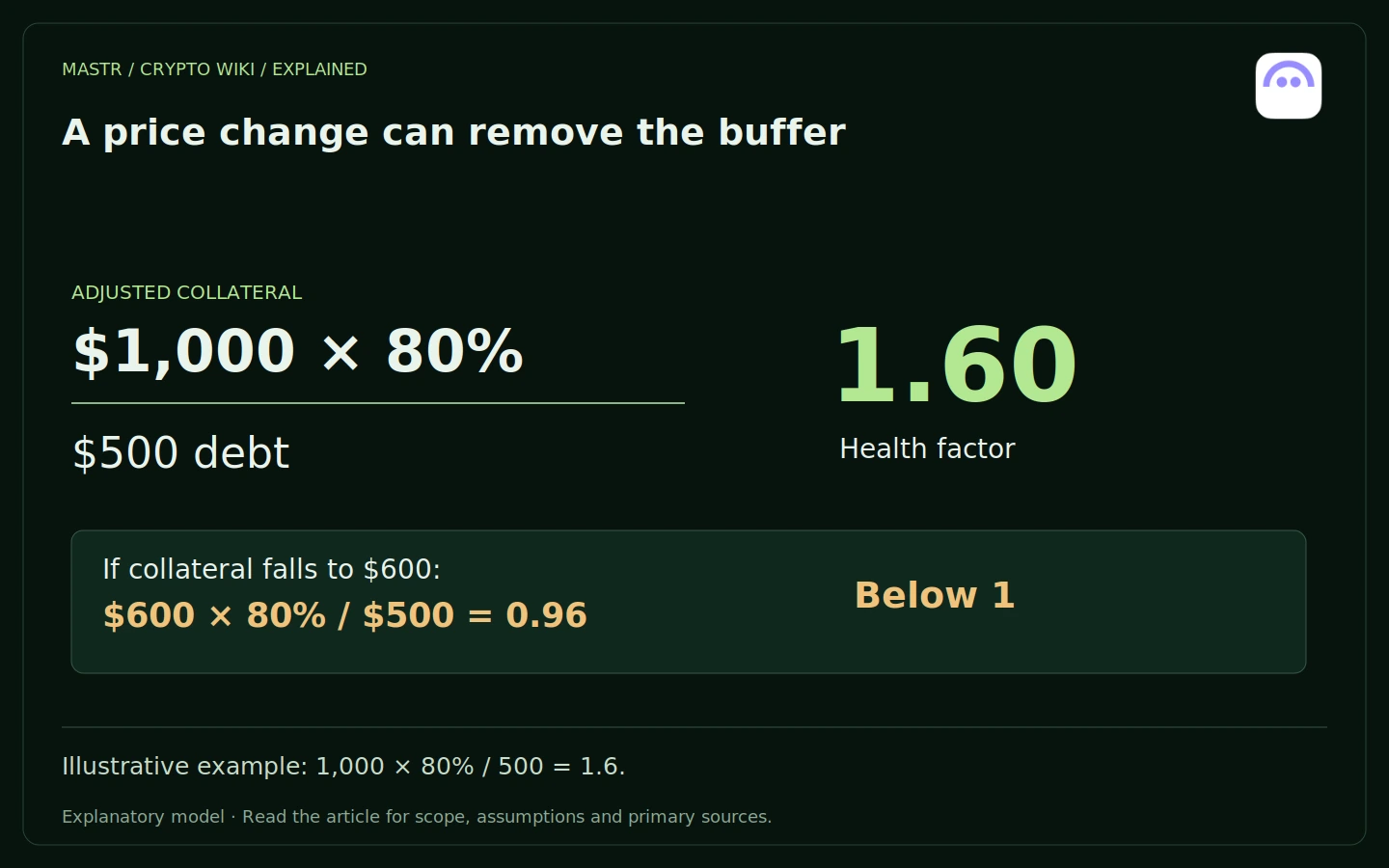
Collateral prices, debt growth and configured thresholds determine the liquidation boundary.
Original photography, with source and licence.



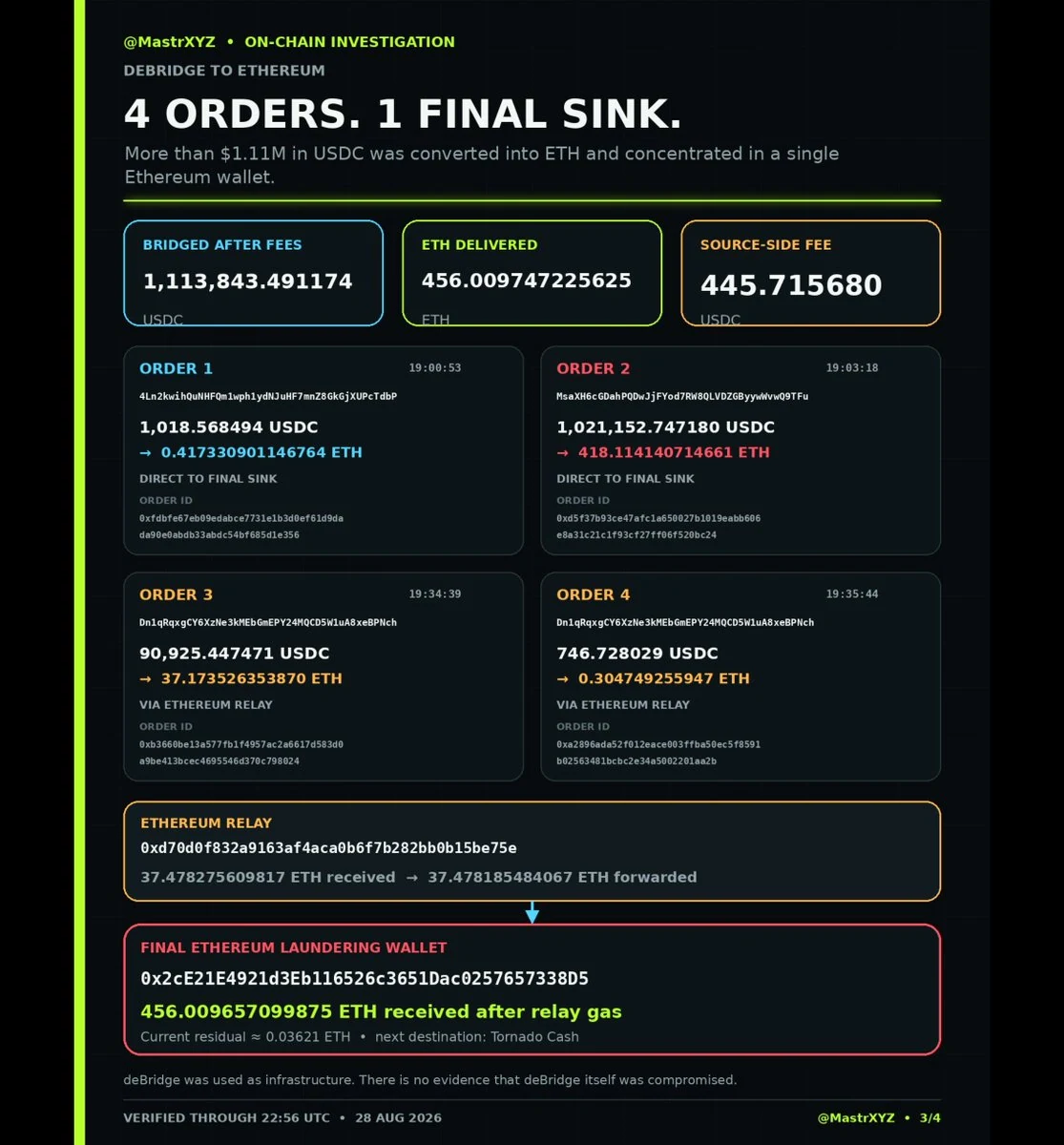
Follow MASTR’s investigations, then inspect the original articles, threads and evidence.
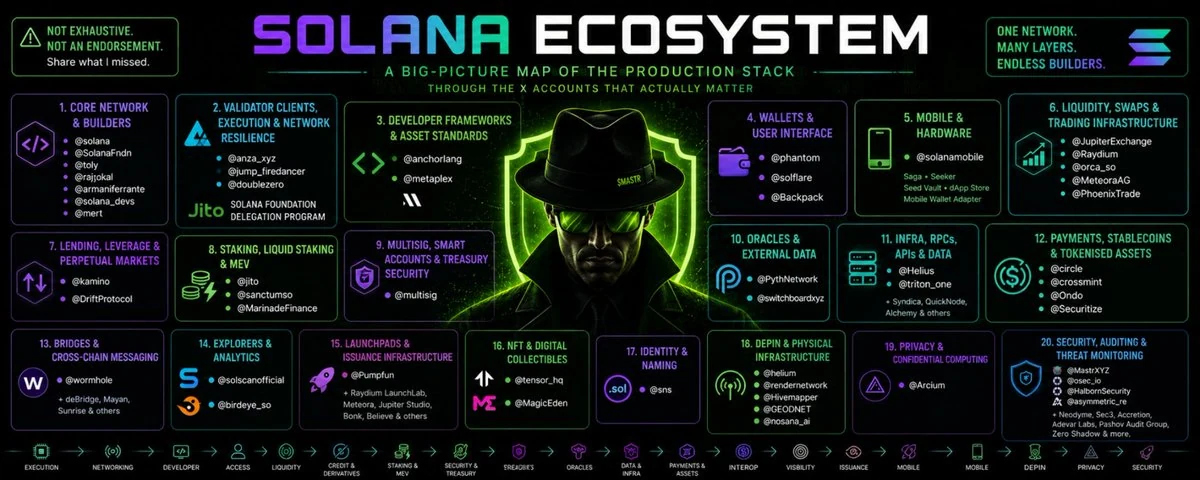
Understand wallets, scams, markets, DeFi and the technology underneath.
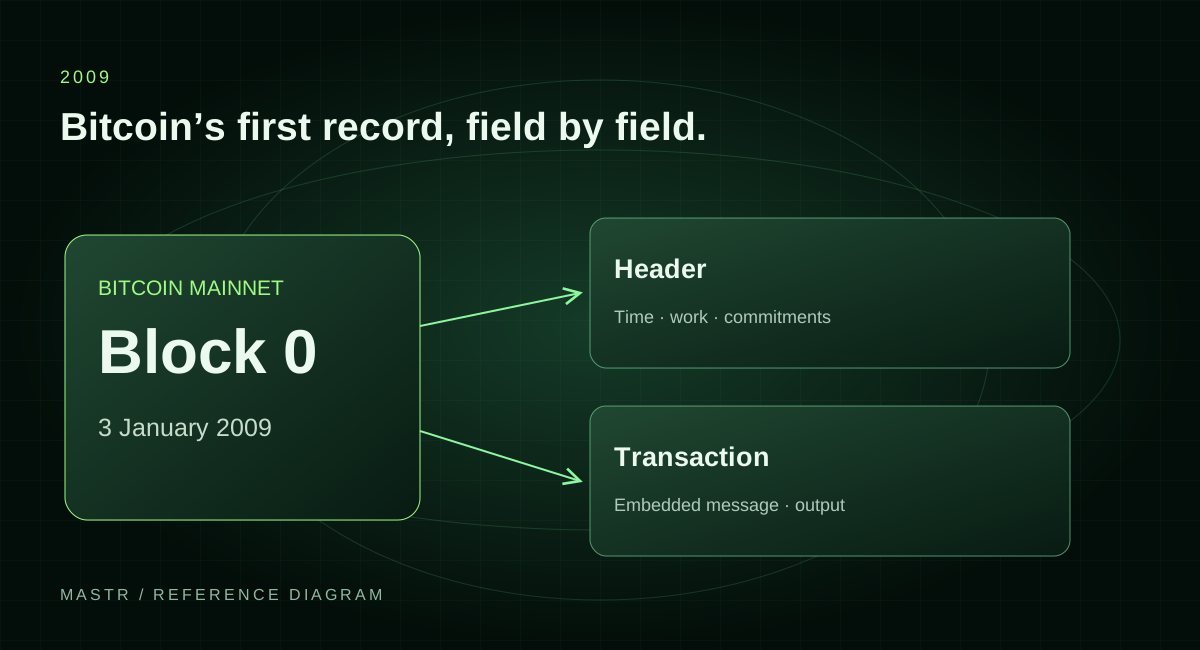
From the ideas before Bitcoin to programmable networks, market cycles and failures. Read by era or year.
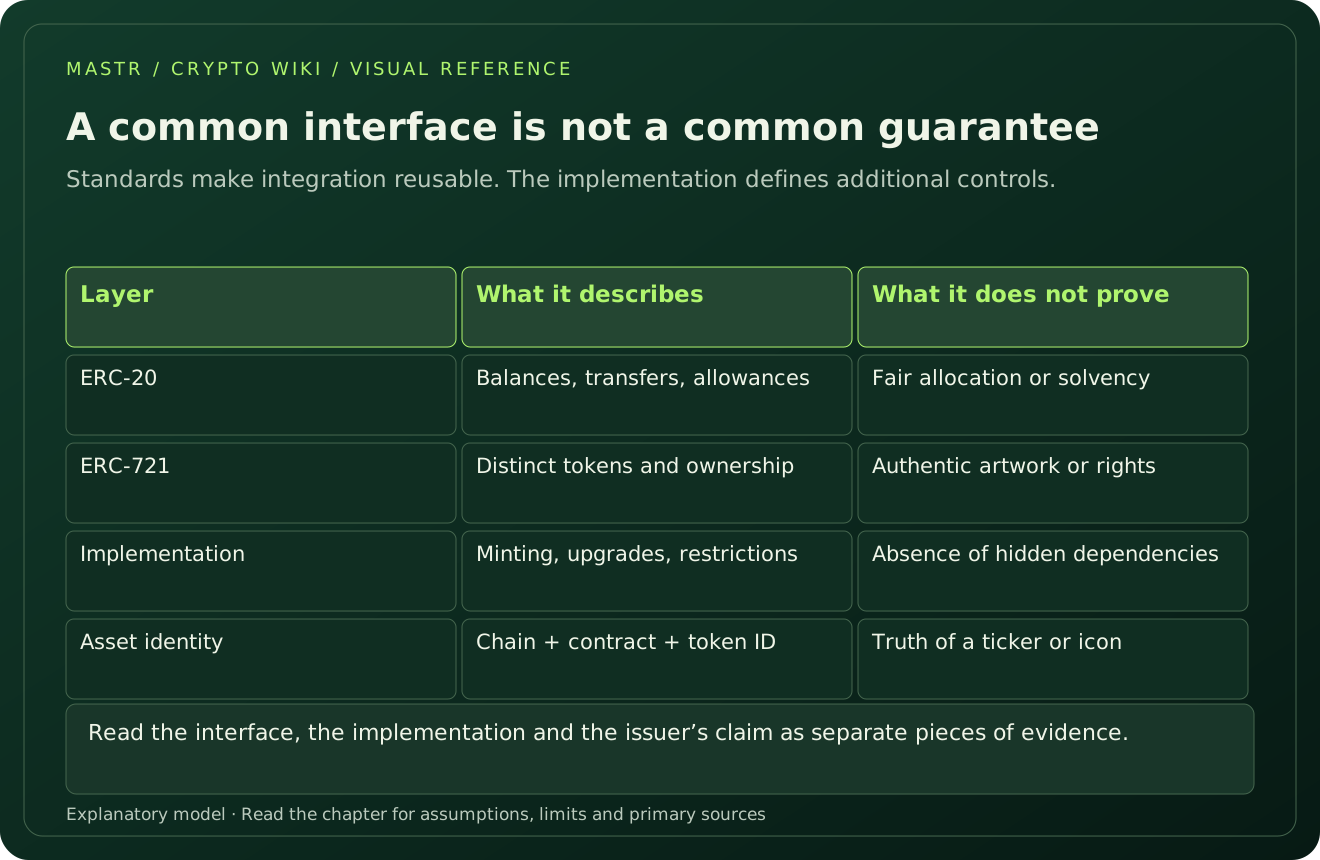
Look up a term and continue to the explanation, mechanism or case behind it.
Original investigations, critical essays and the conversations behind them. Read by subject, follow a thread, or find a person or project in the source texts.
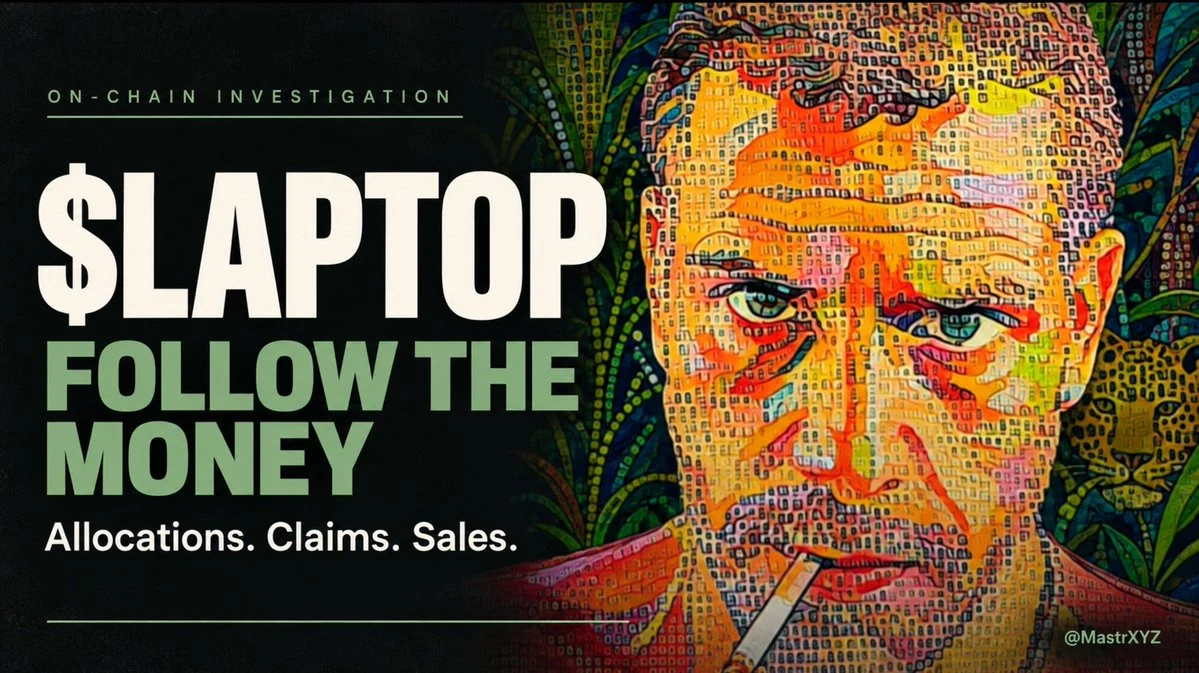
MASTR's reconstruction connects a distribution allocation to 107 matched sales and reconciles the USDC outflows.
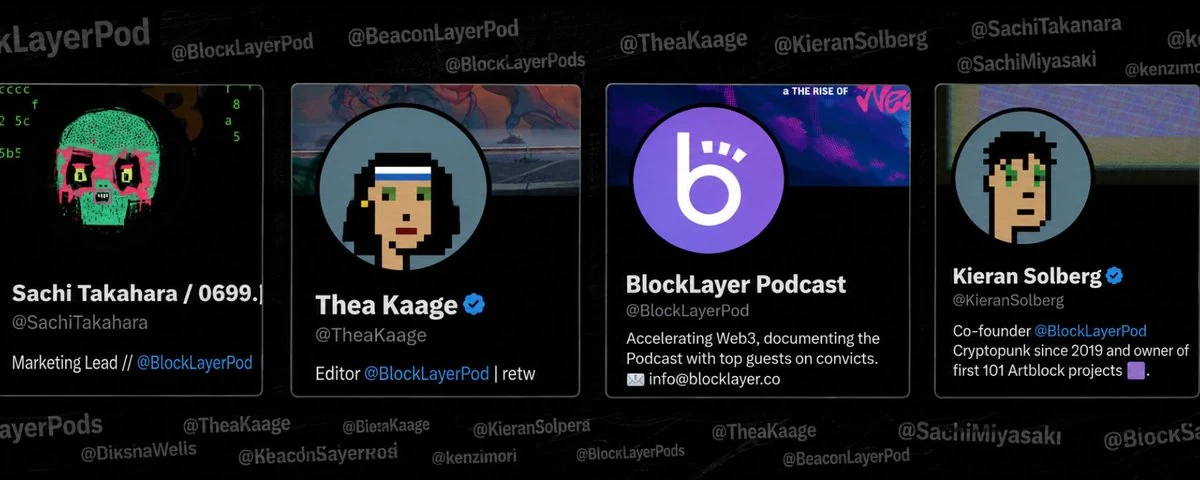
MASTR's archived research follows the social-engineering stage before a wallet loss.
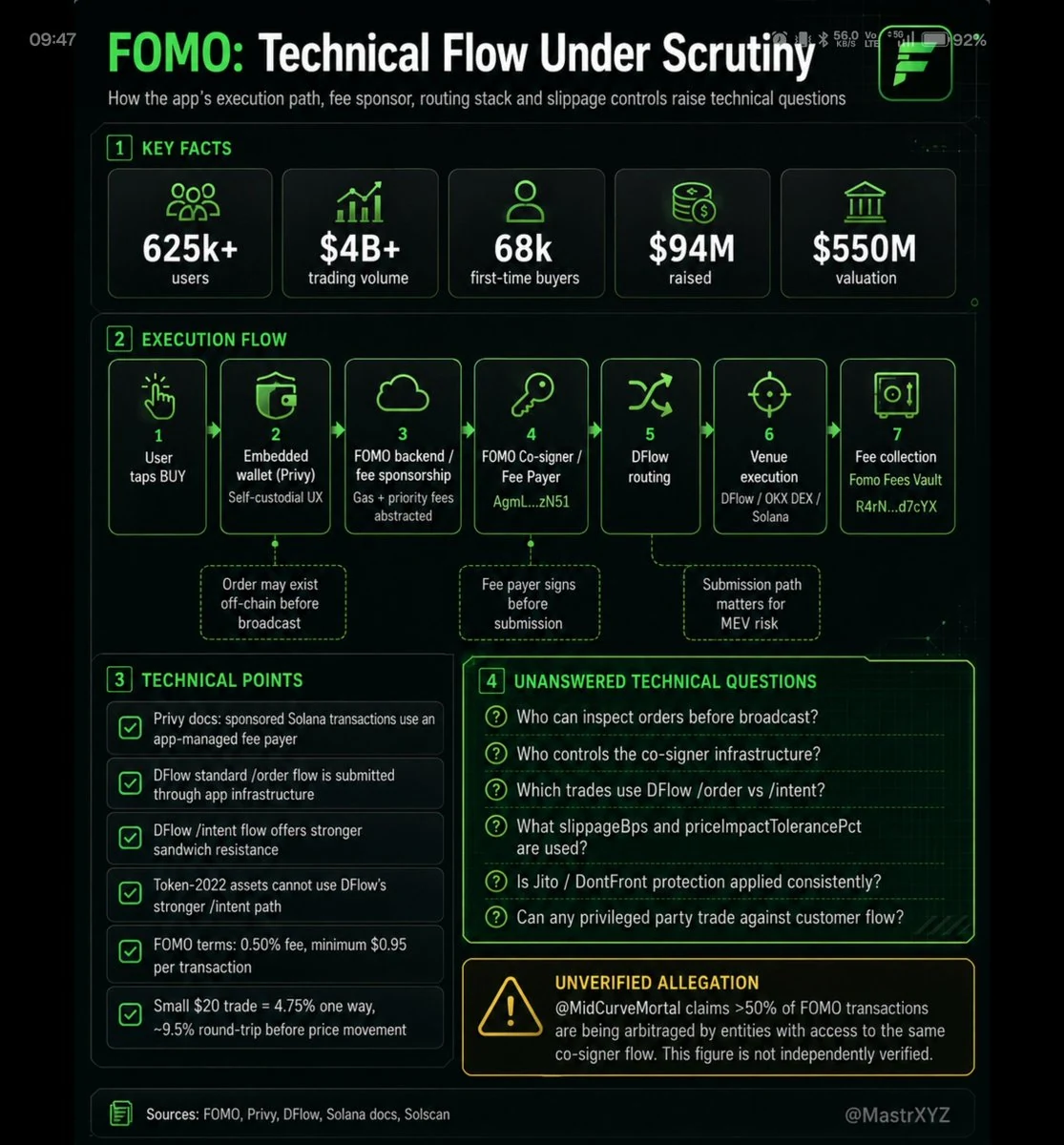
The public dossier supports specific red flags and rejects the claim that the displayed traders all entered on the same terms.
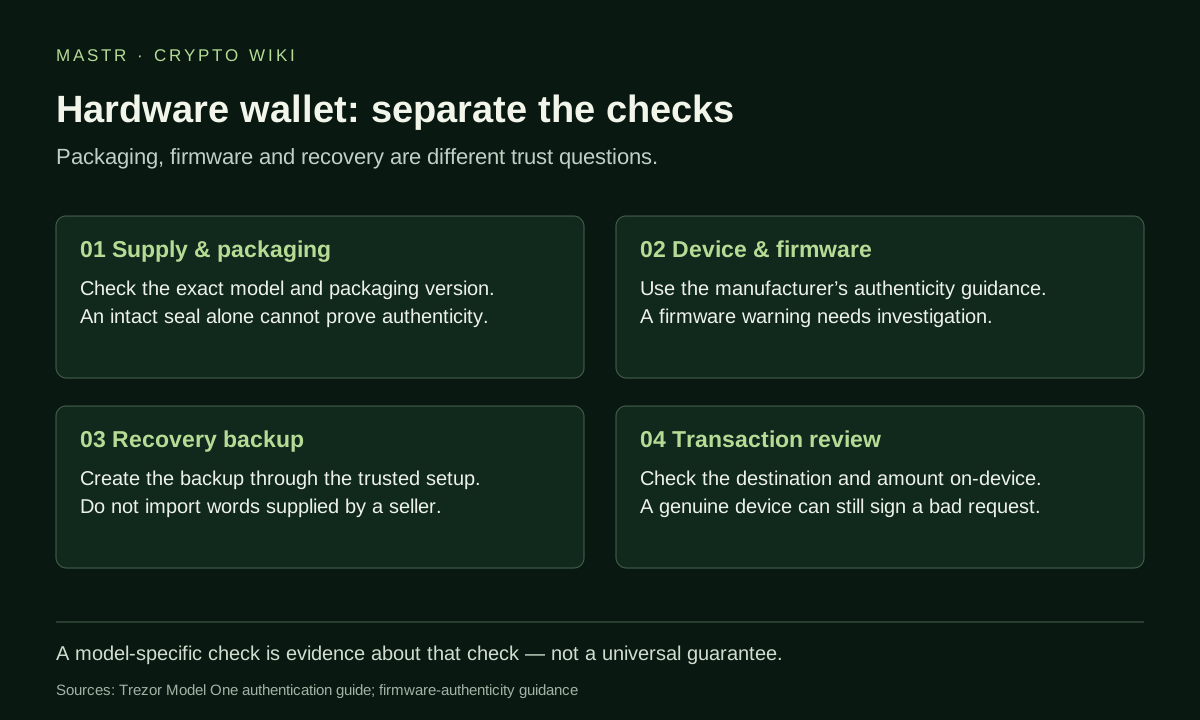
Check the delivery, setup instructions and device authentication separately. A convincing box cannot establish who controls the keys.
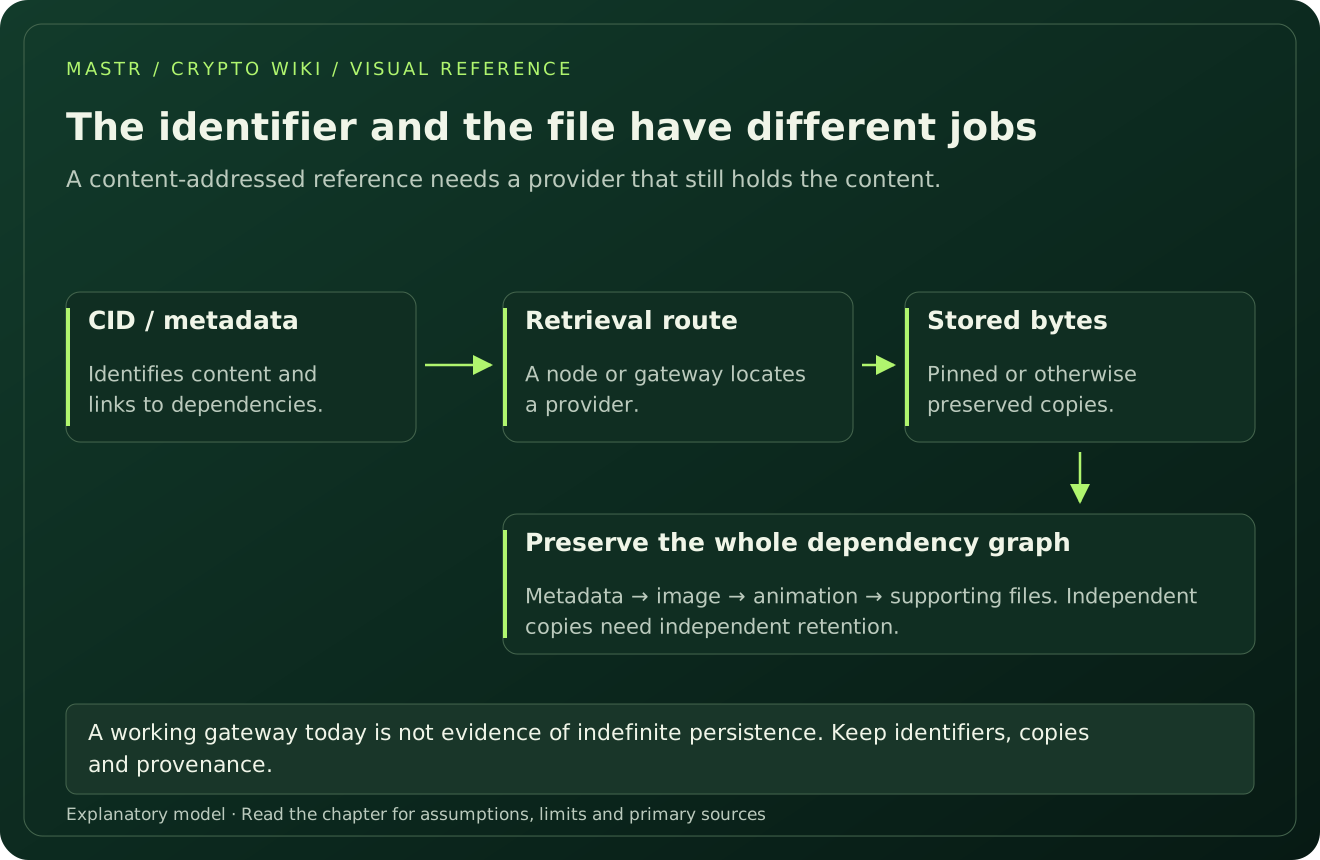
Follow the token’s reference to its metadata and media, then check who can change each layer and who keeps it available.
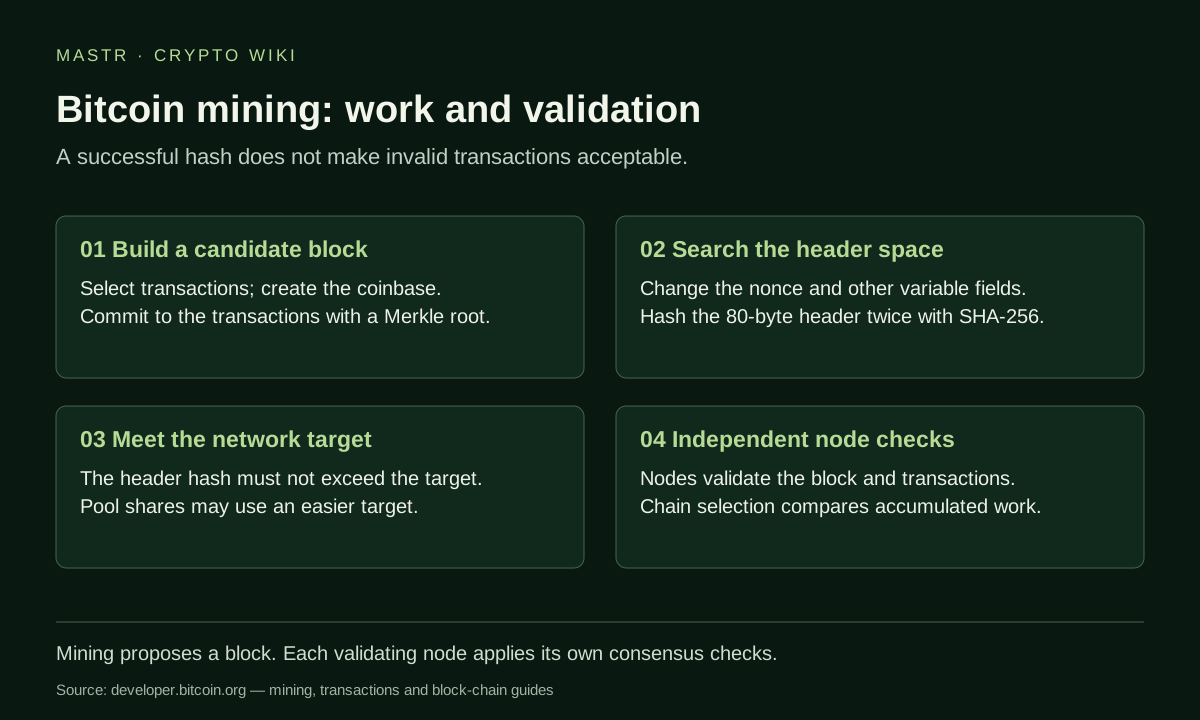
How Bitcoin miners build blocks, how nodes validate them, and how to examine mining investment claims.
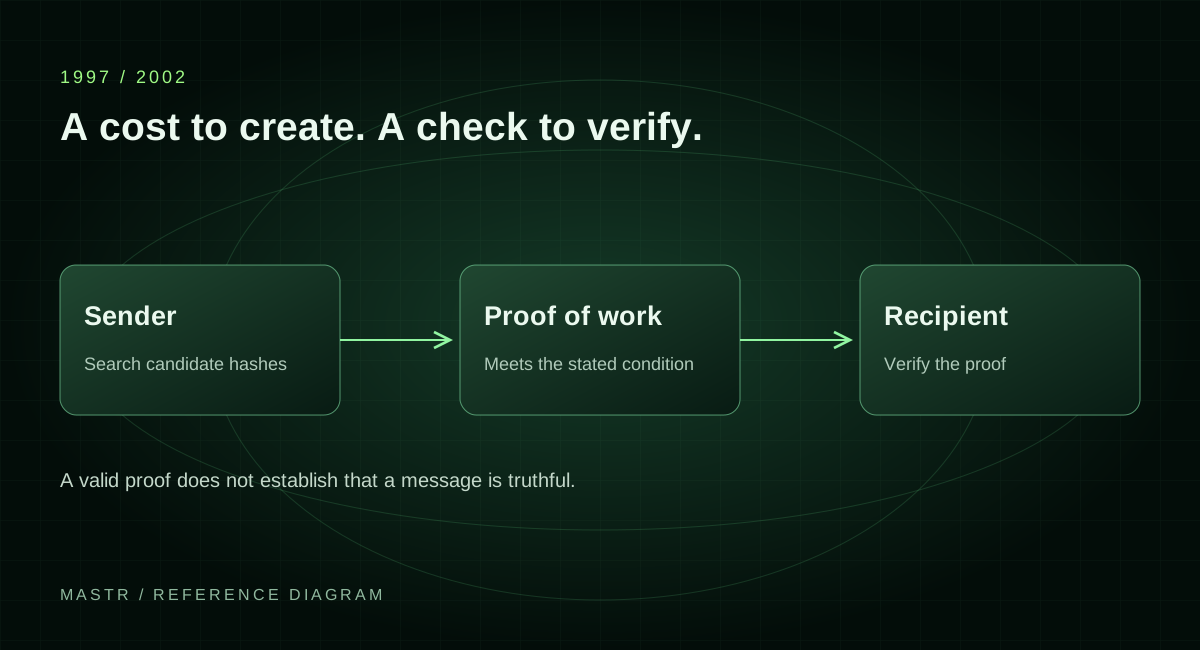
A computational postage stamp for internet abuse became one ingredient in a different system: public transaction ordering.
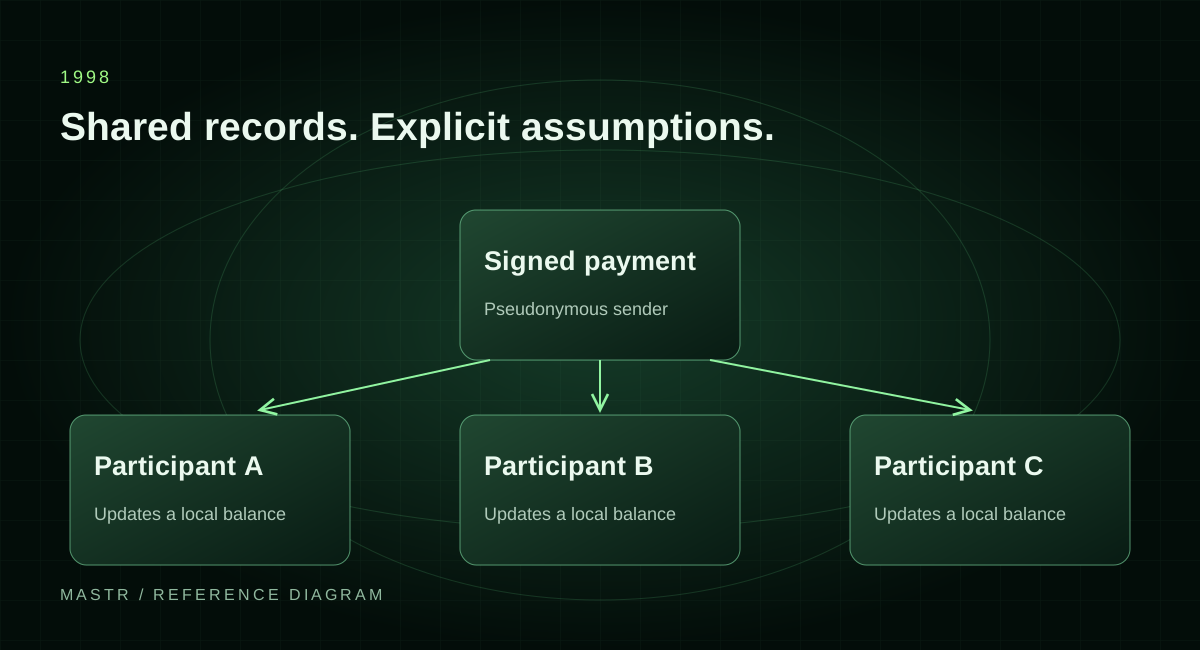
Wei Dai’s 1998 proposal explored pseudonymous accounts, distributed bookkeeping and contract enforcement before Bitcoin.
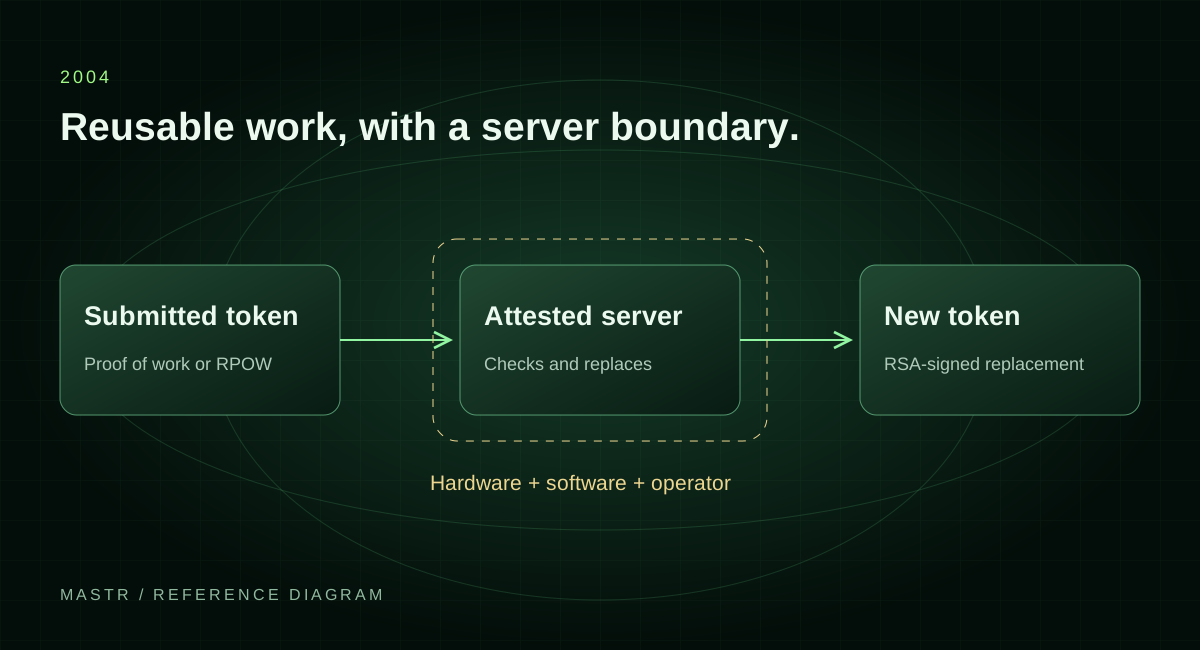
Hal Finney’s 2004 experiment made proof-of-work tokens reusable through an attested server, with a different trust model from Bitcoin.
Investigation guides are included in the article count. Original publications, glossary terms and timeline events are counted separately.
Search everythingPrivate chat with MASTR ↗