Linux at 35: the infrastructure behind everyday computing
A large part of crypto infrastructure too: Bitcoin nodes, Ethereum clients, Solana validators, RPCs, exchange backends and countless tools are commonly run on Linux.
评论与直言1 min


MASTR · 2024–2026
The components between a user, an application and the underlying consensus system.
A blockchain’s consensus rules are only one part of the system people use. RPC providers, hosting companies, wallet software, bridge operators, oracles, sequencers and application teams can each introduce a dependency. The Solana ecosystem map identifies these layers and the public accounts associated with them. Inclusion in that map is descriptive, not an endorsement.
Incident records make the dependencies concrete. The Solana hosting event asks how many validators can fail together when infrastructure is shared. The Cardano record concerns different node versions accepting or rejecting the same input. Cronos and Paradex raise questions about intervention and rollback. These are different failure modes and should not be reduced to one count of validators or one marketing label.
The broader decentralisation essays compare custody, access, validation and operational authority. A system may distribute one of those functions while concentrating another. Use the source dates when reading proposed changes or software-specific findings; the architectural question often outlasts the particular version discussed.
87 · 精选文章 · 1/4
A large part of crypto infrastructure too: Bitcoin nodes, Ethereum clients, Solana validators, RPCs, exchange backends and countless tools are commonly run on Linux.
I learned very early, and life has confirmed it again and again, that appearance and origin tell you remarkably little about a person’s character, ability or intentions.
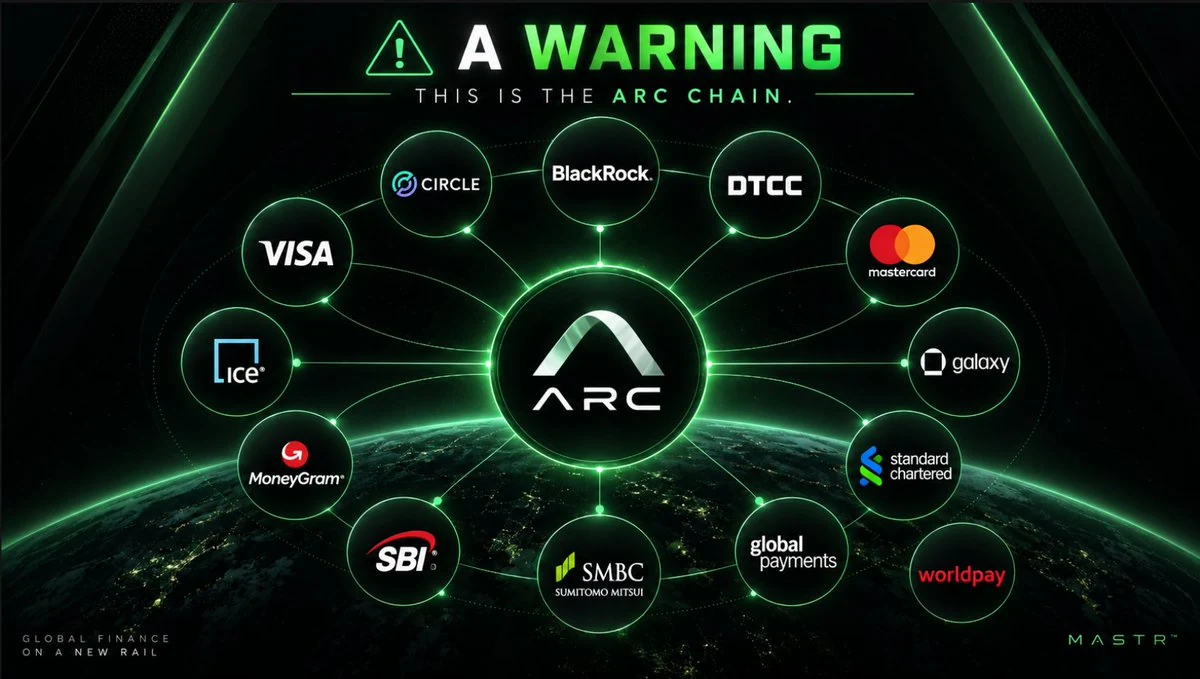
Circle. BlackRock. DTCC. Visa. Mastercard. ICE. Standard Chartered. Galaxy. MoneyGram. SBI. Sumitomo. BNY. HSBC. State Street. Société Générale. Commerzbank. Add Aave, Morpho, Uniswap, the major exchanges, Chainlink, Ledger, Alchemy and the…
According to CoinShares, AI and HPC infrastructure can currently generate around $1.5M in profit per megawatt. Bitcoin mining comes in closer to $500k.
Isn’t it ironic that one of the most popular apps, and the one some people keep presenting as a flagship product for the chain, is also one of the entities that has been nuking that same chain for years?
Only 290 people are estimated to hold more than $100M in crypto, and just 23 are estimated to be crypto billionaires.
@solanamobile might be one of the most underrated ideas and project in crypto right now, and the dApp Store on Seeker is the part people should be paying far more attention to.
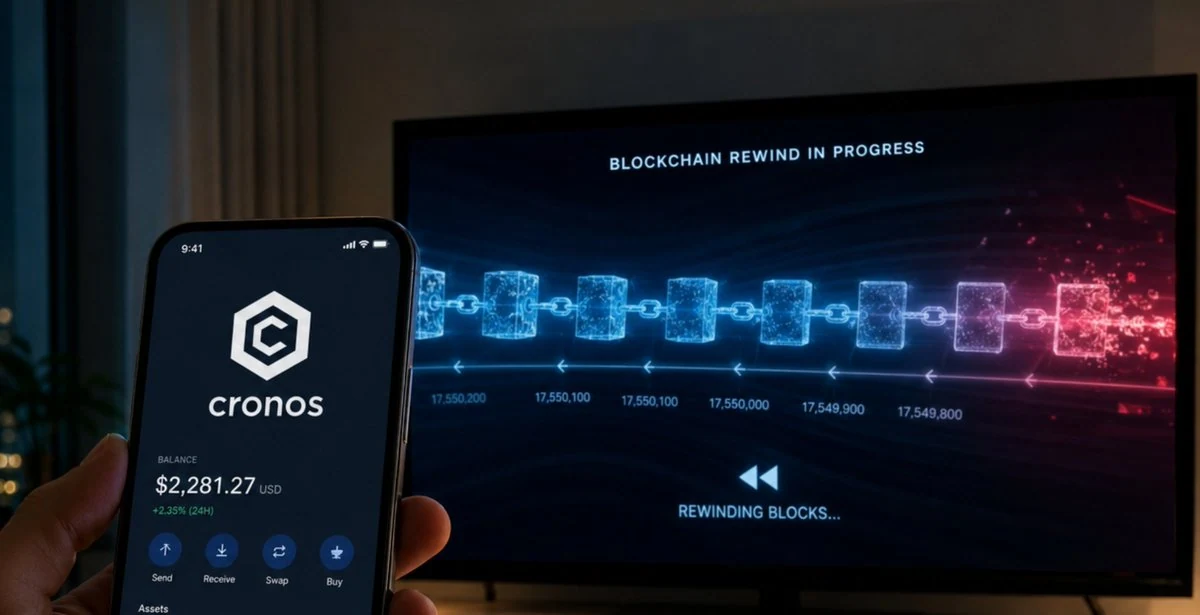
I can document only a small number of clear cases where developers or validators deliberately rolled a network back, restarted it from an earlier state or otherwise discarded previously accepted history.
Helius YES → Jupiter YES → Figment NO → Everstake NO → NO → Kraken NO → SGP-0002 falls below 66.67% → Drift/VelocityDEX flips YES → Kraken large validator flips ~8.1M SOL to YES → Galaxy moves from mostly Abstain toward YES → late ballots…
1. Coldcard released new firmware after more than $114 million was stolen from Bitcoin wallets through a catastrophic seed generation flaw.
What is being built underneath the casino noise?. Dated original source, with context and links.
A few important points from today’s #Solana incident, although unfortunately this is not an airdrop, giveaway, memecoin, casino promo, some dumb capitalist extraction scheme, another dumbfuck scammer KOL campaign or any of the other…
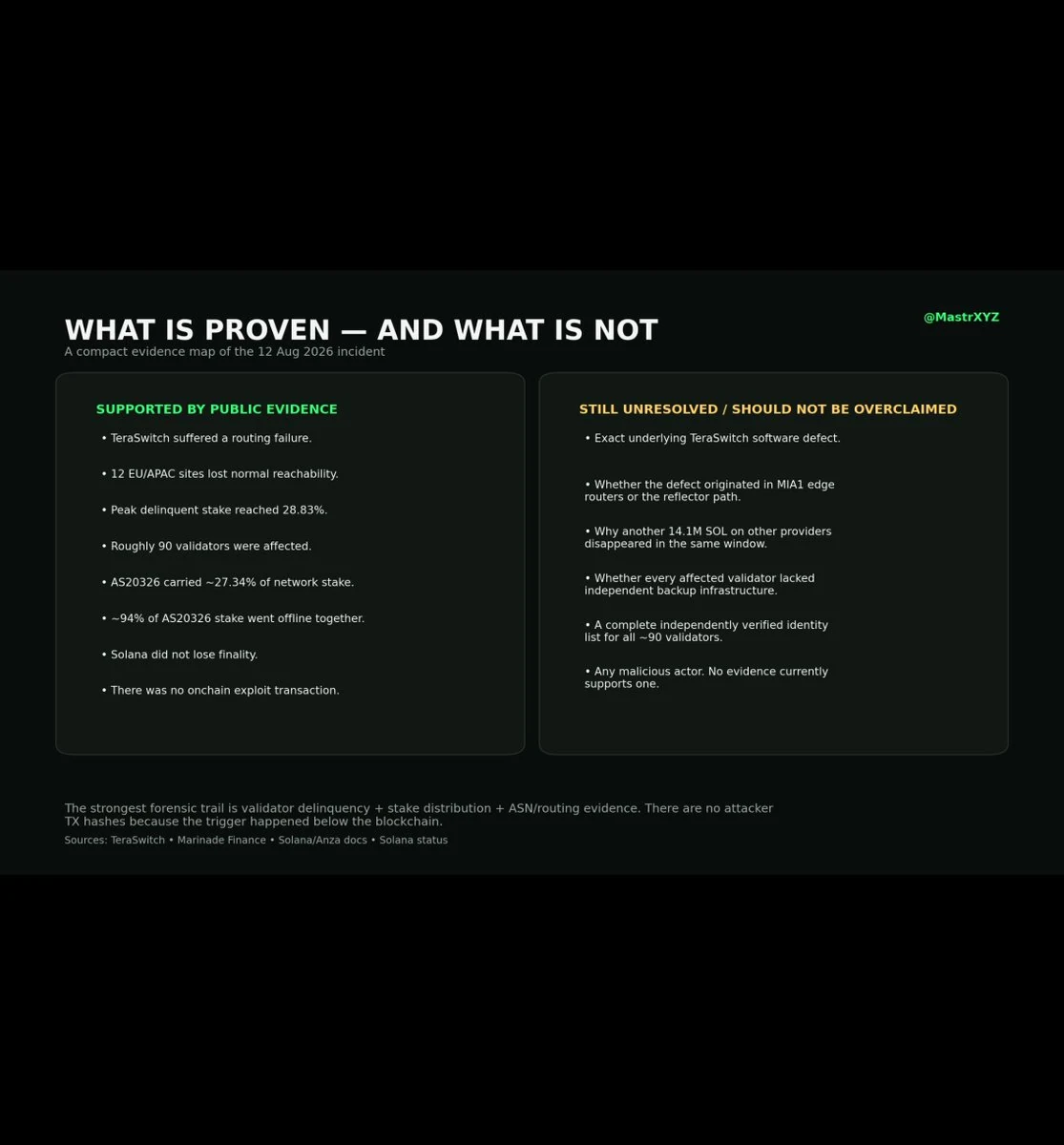
Since the intern running @solana is apparently busy with other things, here is the technical breakdown and everything I could verify about today’s near-finality event on #Solana.
A routing failure at TeraSwitch knocked 28.83% of all staked SOL offline at once. Once delinquent stake crosses roughly 33.34%, Solana can no longer finalize blocks.
My main criticism is not that every builder deserves funding, a stage at Breakpoint or a retweet from @solana.
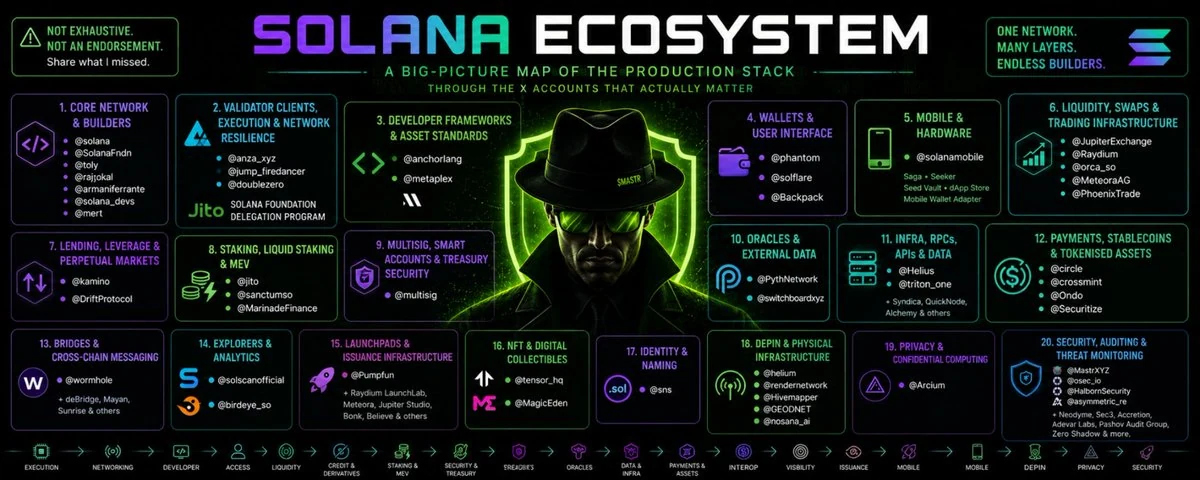
A detailed map of Solana’s infrastructure, from validator clients and RPCs to wallets, liquidity, security and payments.
Robinhood Chain: MASTR’s critique of volume and liquidity. Dated original source, with context and links.
I am seeing a huge amount of hype around the Robinhood Chain right now, and it already looks like the first wave of KOLs was paid very well to manufacture attention.
Forget the low liquidity and anti-decentralised behaviour, the KOL bootlick shitcoin narrative, the backdoors and the volume bots for a second.
I went through Brian Armstrong’s own numbers and the follow-up reporting around Coinbase’s AI costs, and the story is much bigger than “company saves money on tokens.”
Dan Peña is mostly known for aggressive business rhetoric, brutal seminars, provocation, and oversized claims.
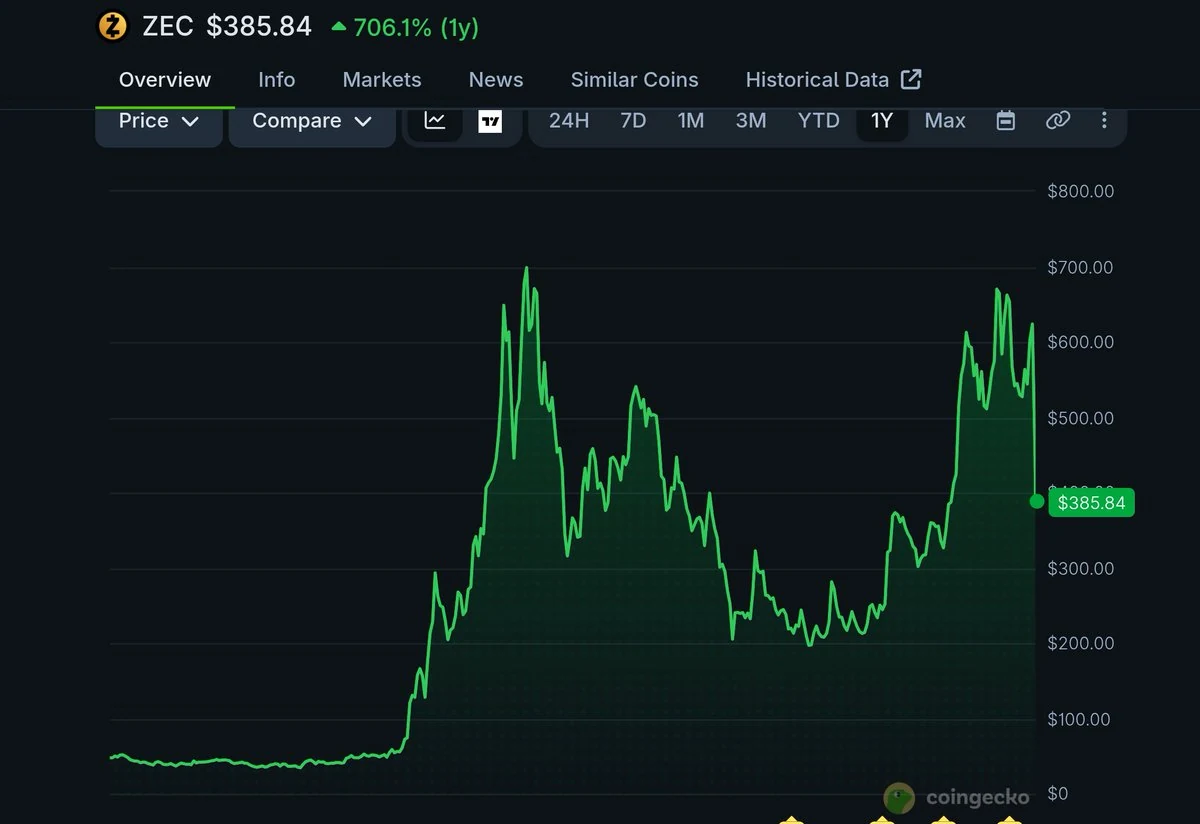
Over the last week, the entire zcash:native narrative was hit by one issue: a critical bug in Orchard, Zcash’s shielded privacy pool.
Why should fighting paid shillers, scammers and hackers be a basic duty for everyone in crypto and Bitcoin?
A society that gives a handful of private tech empires control over speech, data, infrastructure and intelligence does not remain free simply because those empires use the word freedom in their marketing.