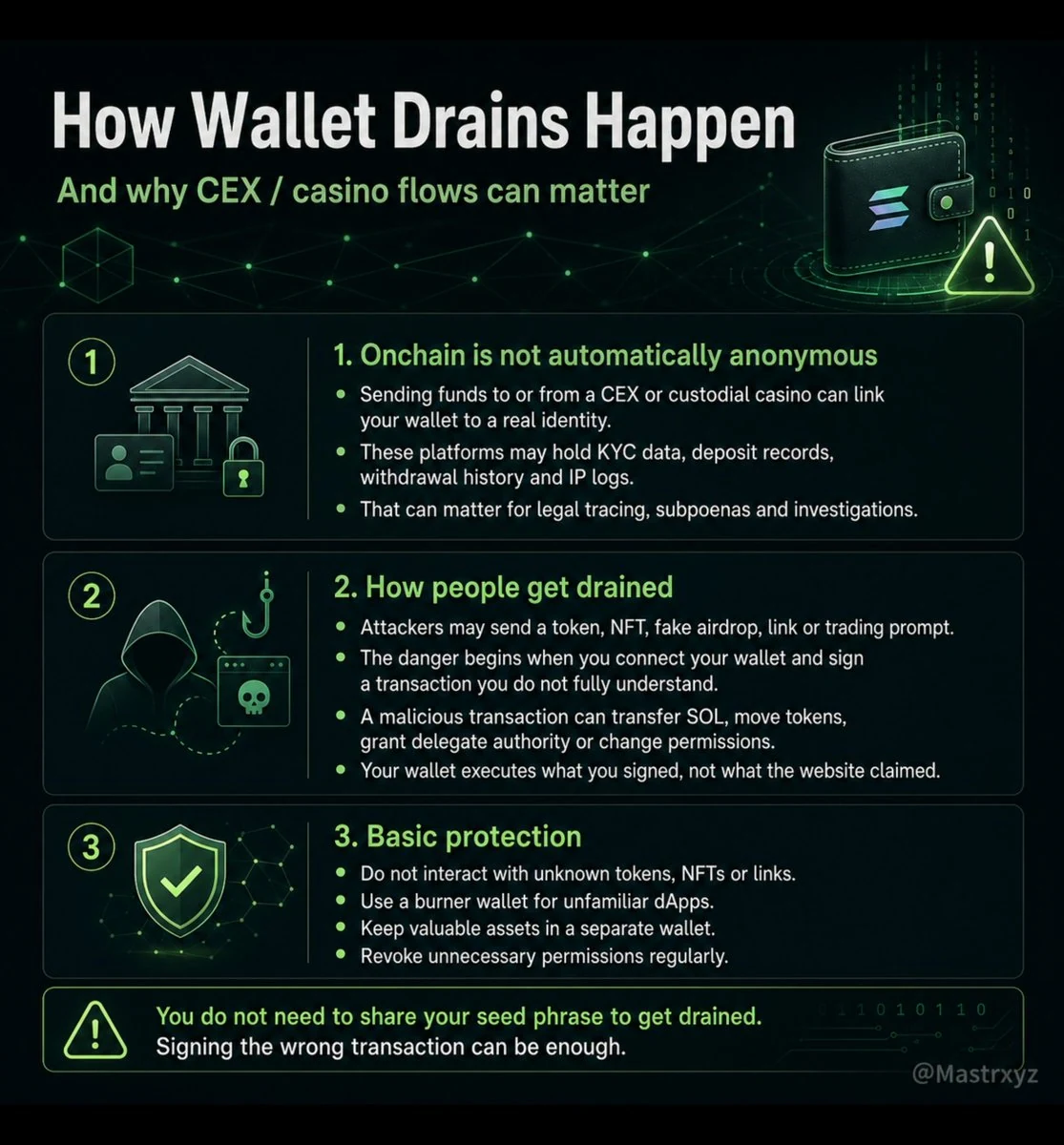
Tracing stolen funds is different from recovering them
The strongest opportunity often appears when an on-chain flow reaches a centralised exchange, casino, payment processor or another custodial service.
Recherche et analyse3 min


MASTR · 2024–2026
Publication archivée dans les mots de son auteur. Affirmations, chiffres et opinions se rapportent à la date indiquée ; leur inclusion ne vaut pas vérification indépendante.
229 · Publications sélectionnées · 3/10
The strongest opportunity often appears when an on-chain flow reaches a centralised exchange, casino, payment processor or another custodial service.
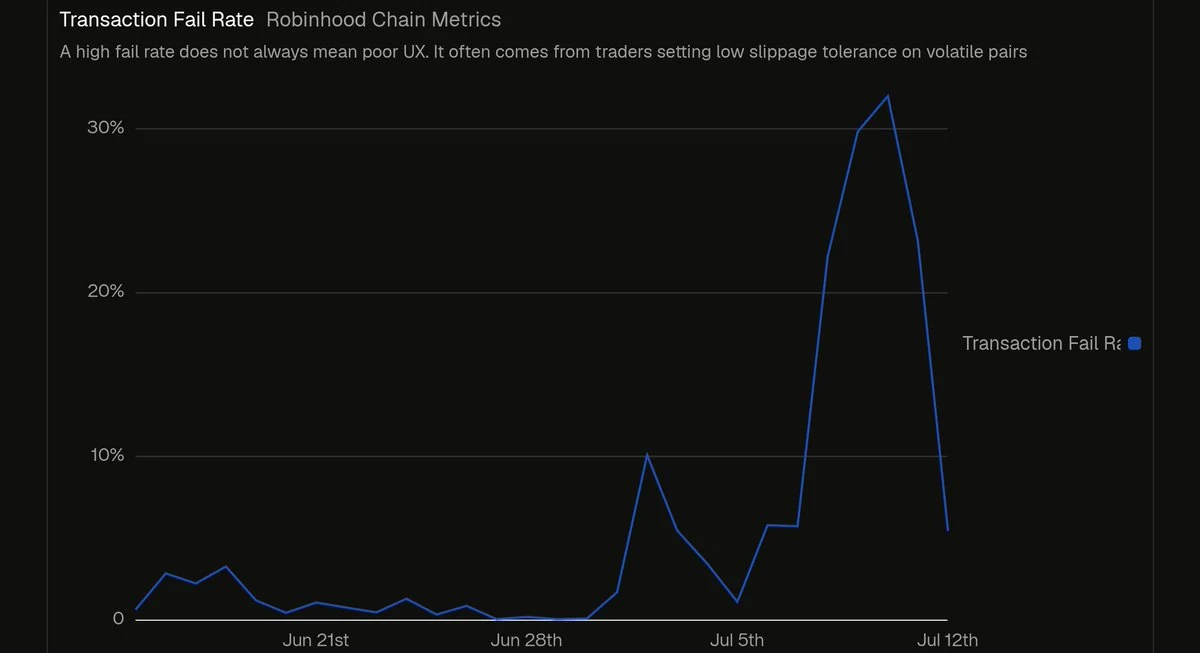
To be honest, Robinhood Chain is not a serious financial network at the moment. Right now it is mostly a fresh liquidity venue being stress-tested by memecoins, bots, volatile pools and speculative volume.
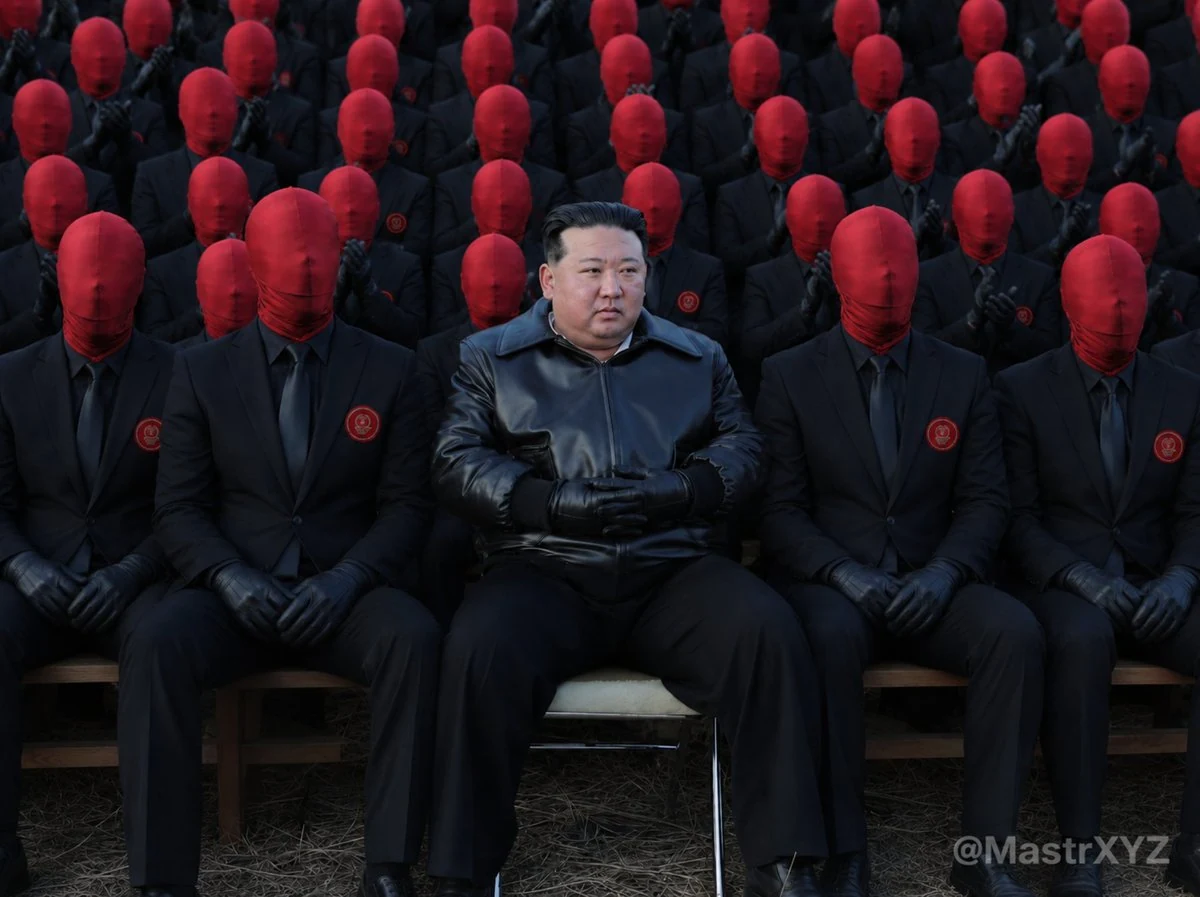
They are organised, patient, funded, technically serious and fully aware that crypto still runs on weak humans, lazy security, rushed integrations and teams that spend more on marketing than on infrastructure hardening.

I am seeing a huge amount of hype around the Robinhood Chain right now, and it already looks like the first wave of KOLs was paid very well to manufacture attention.
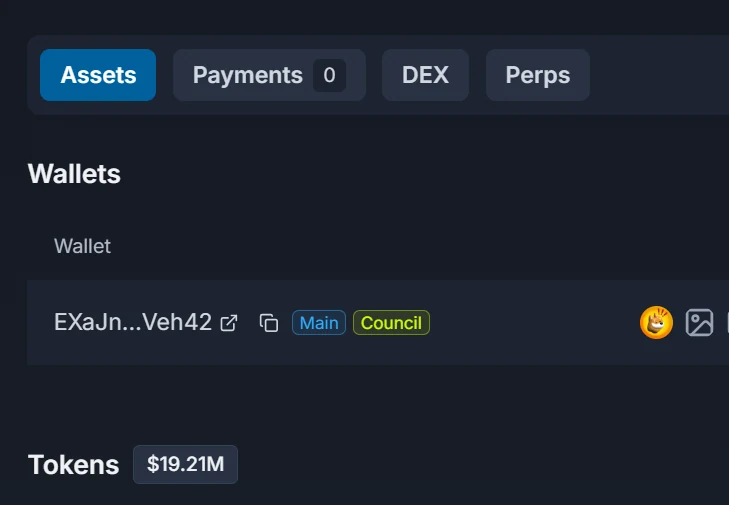
Here is a summary of what appears to have happened with #BonkDAO. So you can verify it yourself, here is everything I found:
That is at least a measurable step in the right direction, and deeper liquidity is obviously better than thin pools where every larger sell turns into chaos.
Forget the low liquidity and anti-decentralised behaviour, the KOL bootlick shitcoin narrative, the backdoors and the volume bots for a second.
This is a selection of tweets from the brainrot account @cryptorover where this account praised Trump, $TRUMP, $WLFI, or the extraction machine behind it.
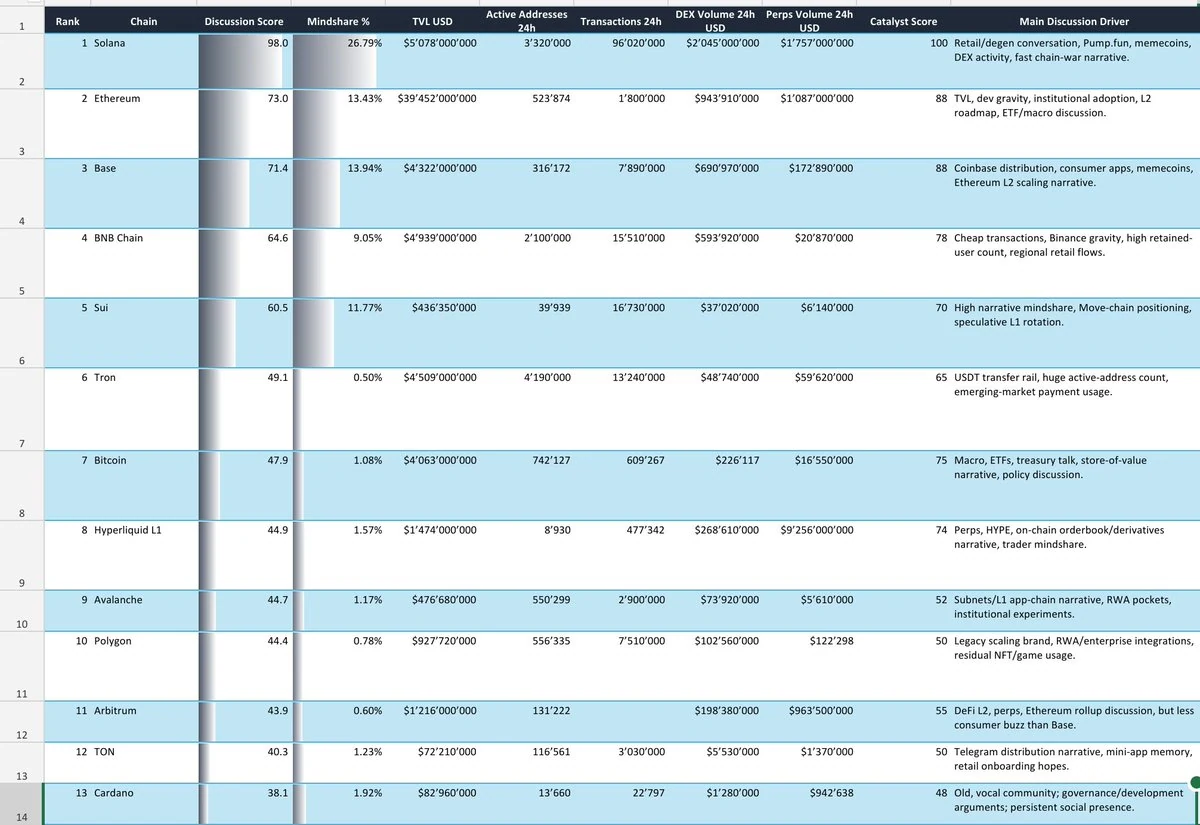
I tried to rank the major chains using a proxy model instead of pretending there is one perfect public dashboard for X mentions, web reports, on-chain activity, TVL and trading noise combined.
ANSEM: a market-cap screenshot meets the available pools. Dated original source, with context and links.
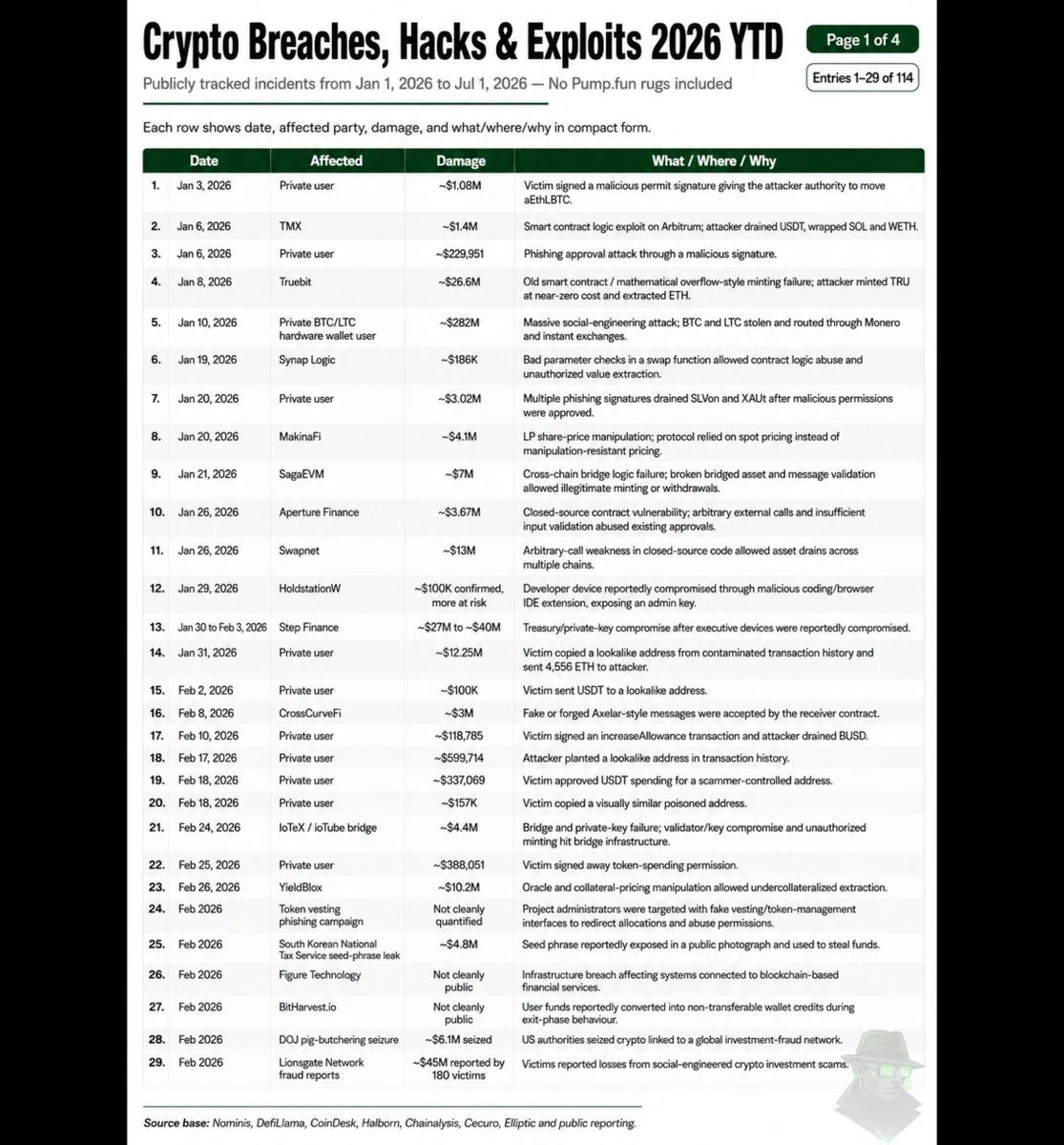
I listed only public bigger incidents, breaches, exploits, scams, fraud buckets and major crypto security scandals below.
It looks like a machine. One wallet acts as the trader, creates the movement and routes buys and sells. Is pumpfun behind it? Is the Solana cabal behind it?

This is not some anonymous wallet accidentally touching one ticker. This is the same creator identity repeatedly showing up around recognisable CT names, memes and public figures.
I pulled together a liquidity map for $ANSEM liquidity pools, since I was already searching for stuff there anyway.
I went through Brian Armstrong’s own numbers and the follow-up reporting around Coinbase’s AI costs, and the story is much bigger than “company saves money on tokens.”
This time he is trying to turn Binance withdrawing its MiCA application in Greece into some grand ECB plot to destroy crypto liquidity for a future CBDC.
Binance users in the Europe, did any of you receive an email from Binance saying they are unable to comply with MiCA by July 1 and that services may therefore be restricted or shut down in your country?

SecondFi is the rebranded Yoroi wallet, originally developed by Emurgo, one of Cardano’s founding entities alongside IOG and the Cardano Foundation.
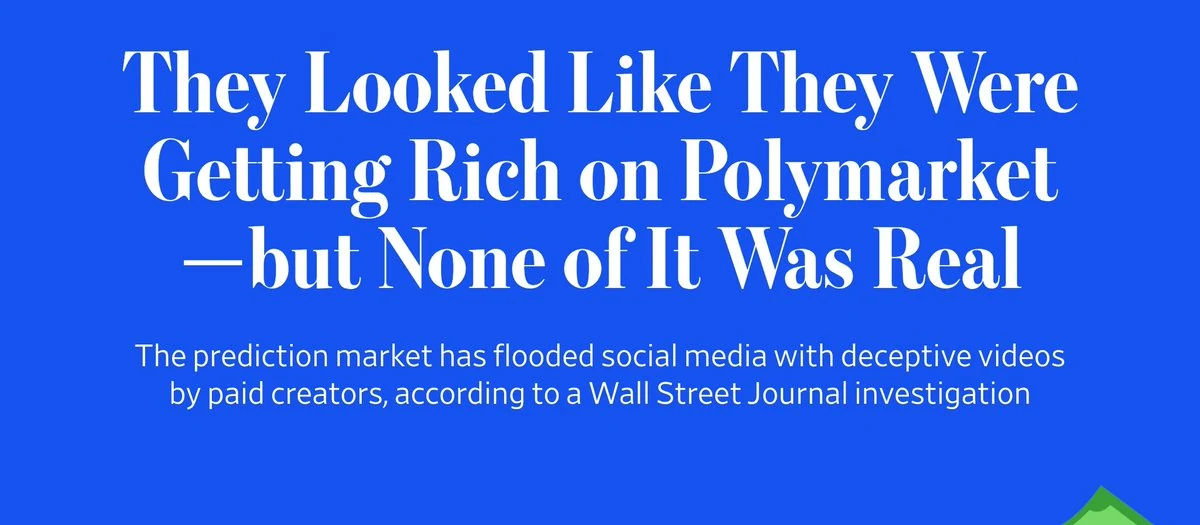
According to the WSJ, Polymarket allegedly manufactured an illusion of ordinary young people getting rich through fake trades and fake wins.
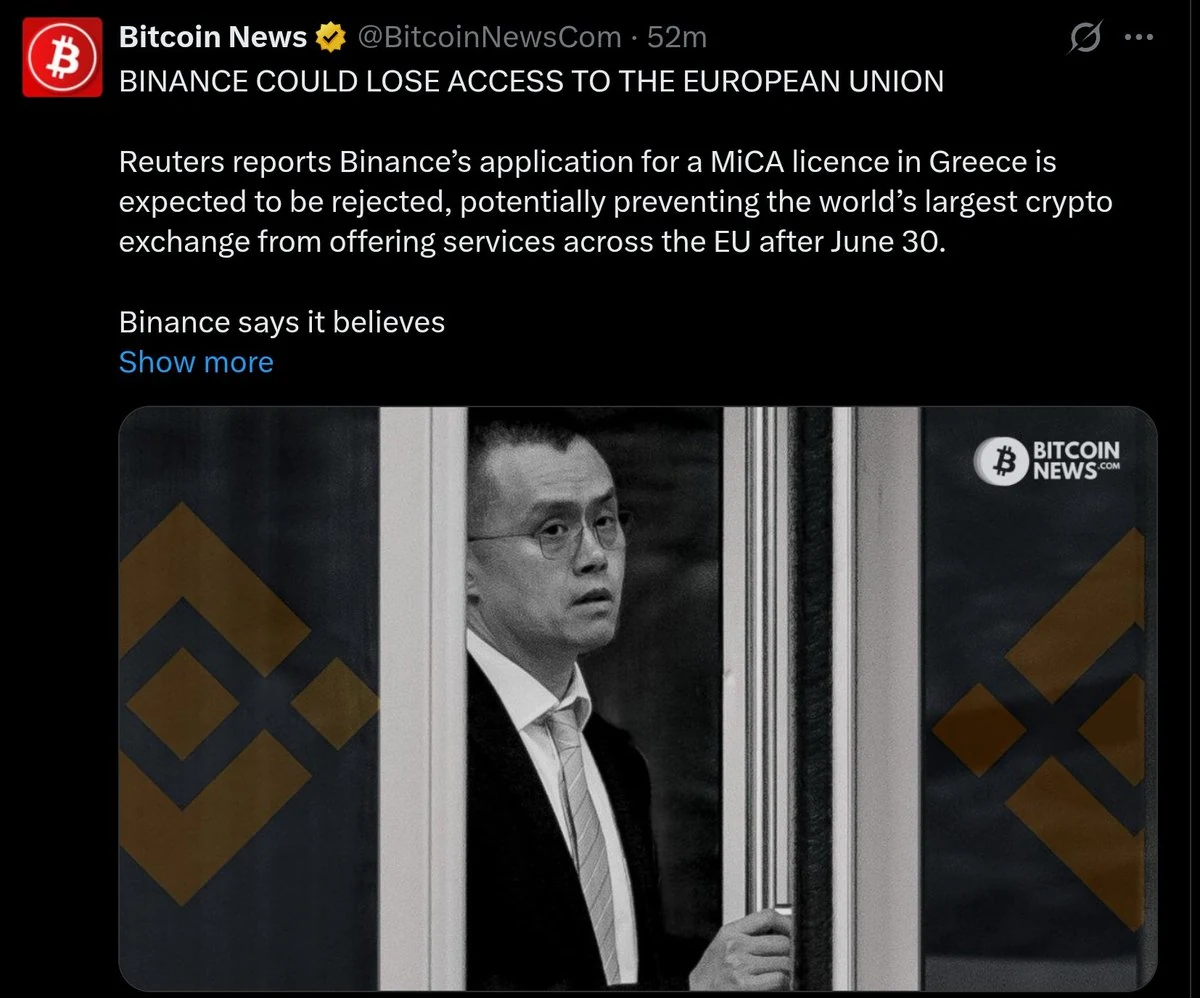
Idiots need to stop turning half understood headlines into propaganda when they clearly do not understand the rules they are screaming about.
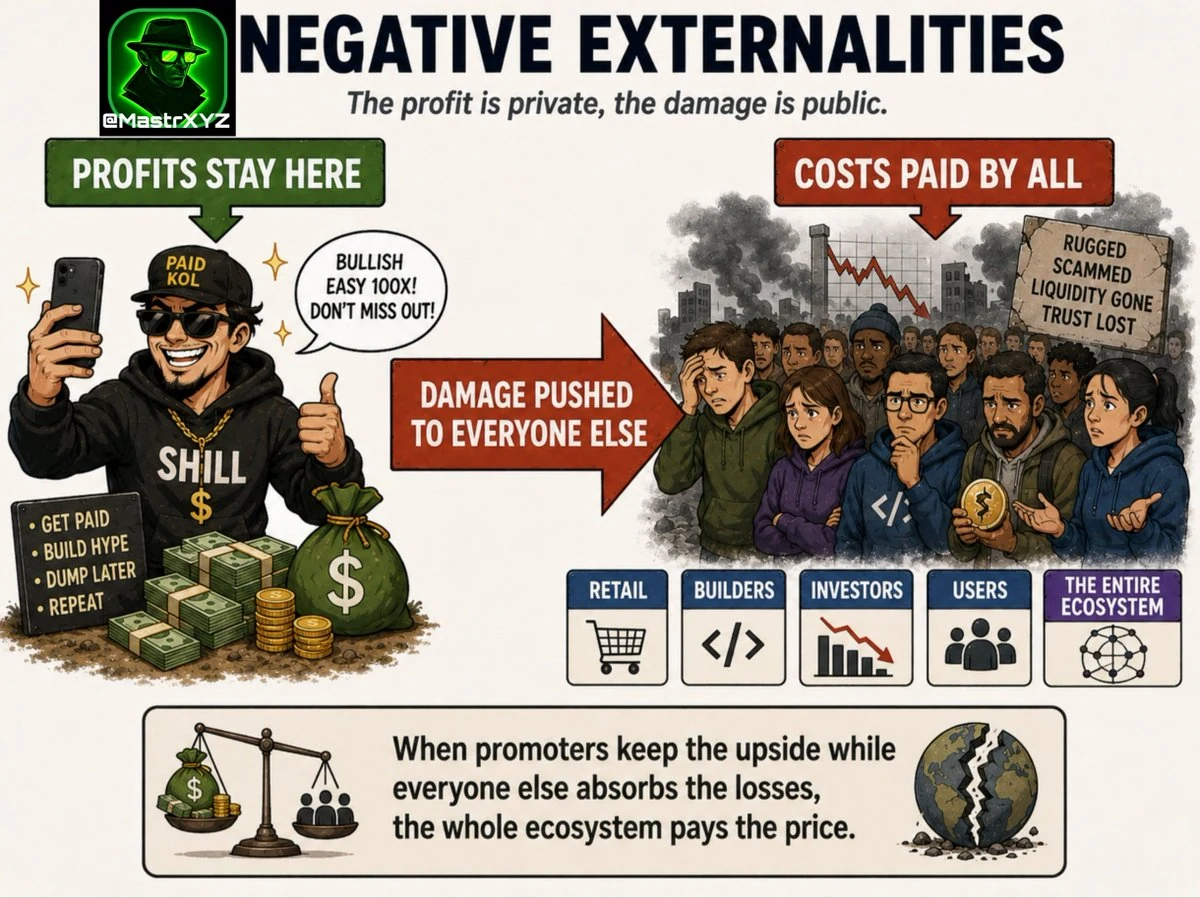
AI will multiply the scale, speed and precision of attacks, but the ugly truth is that many of these incidents are not some mysterious act of cyber warfare.
Humans are down to 43%. Across all HTTP requests, humans are still ahead with 66%, but the direction is obvious.
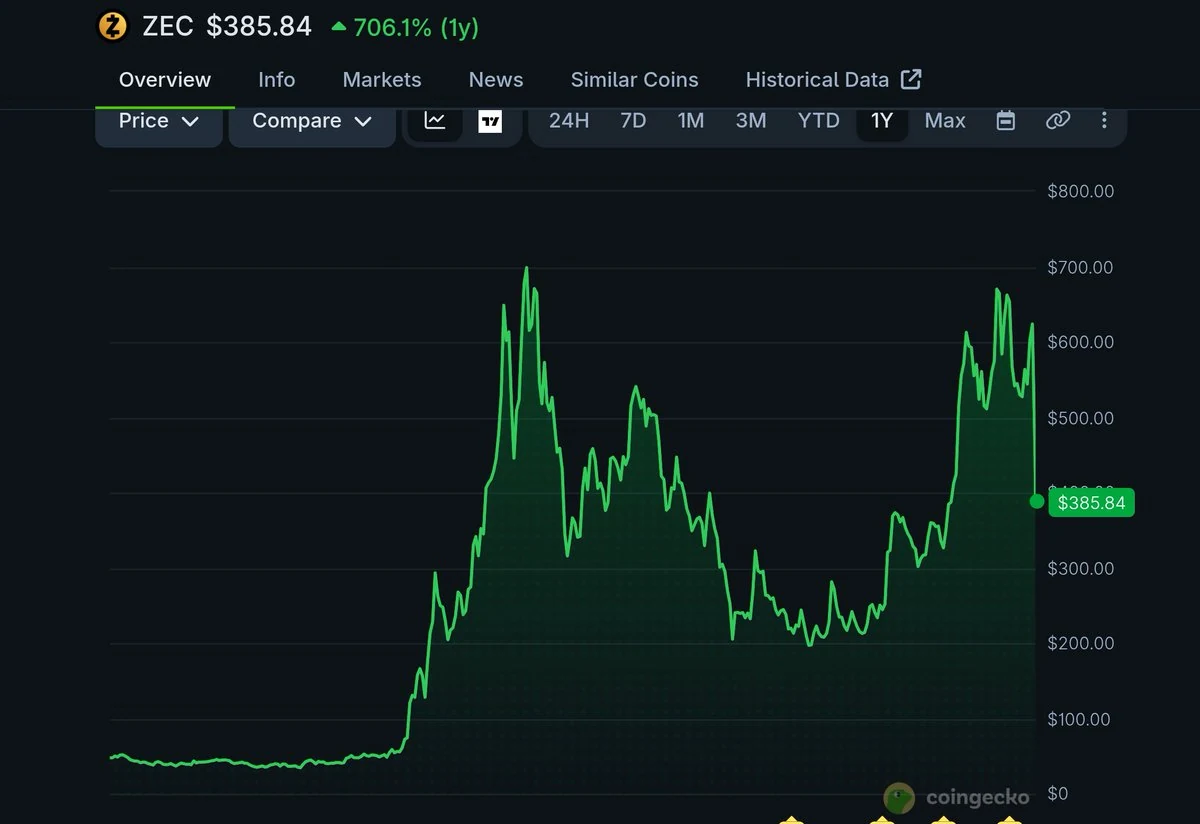
Over the last week, the entire zcash:native narrative was hit by one issue: a critical bug in Orchard, Zcash’s shielded privacy pool.
Andrew Left, the founder of Citron Research, has been found guilty of securities fraud after prosecutors said he used his public influence to move markets through tweets and research calls, then traded around those moves for profit.