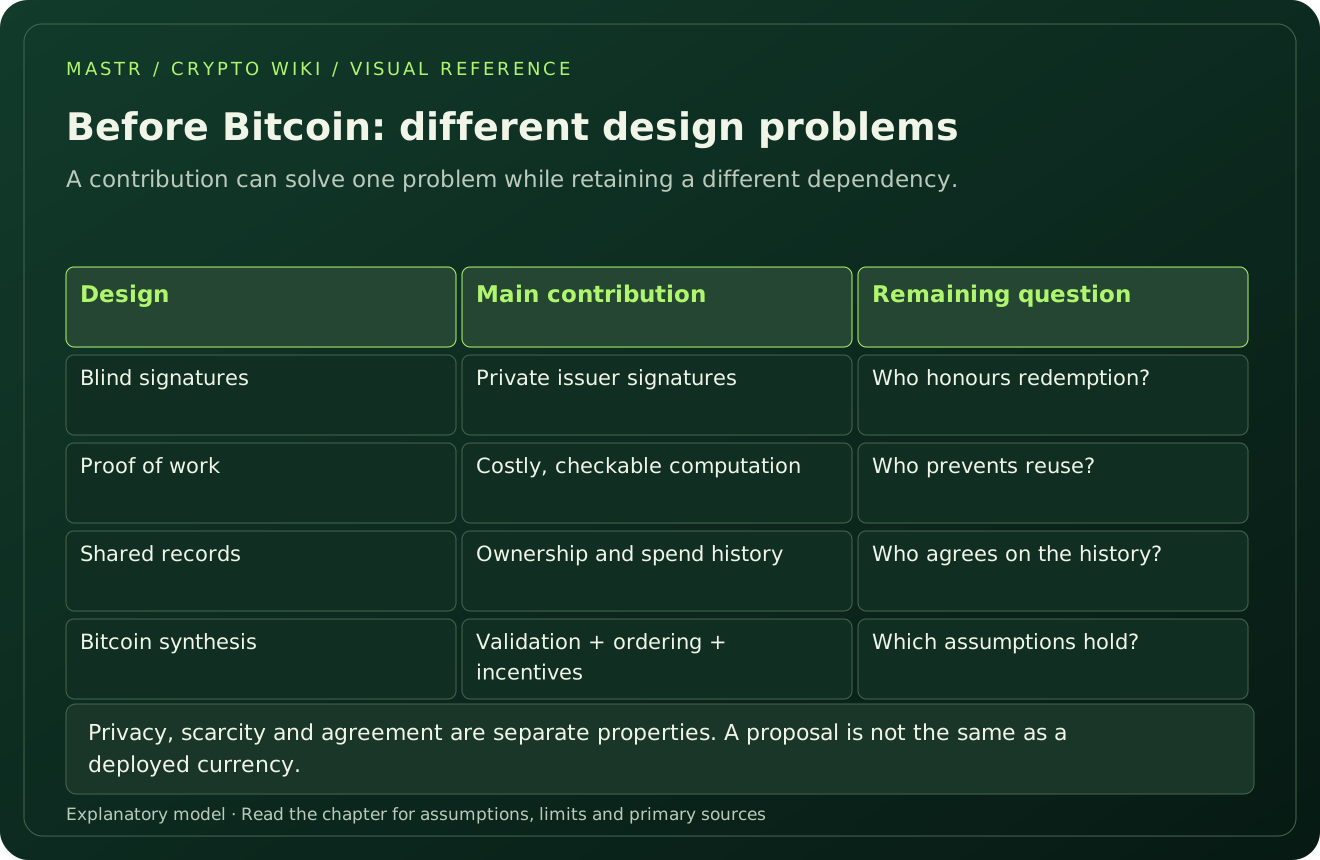
起源与历史 · 1982–2008
Before Bitcoin: privacy, digital cash and the missing agreement
The history begins with several different problems: private payments, costly computation, ownership and agreement about what was already spent.


MASTR · CRYPTO & WEB3
了解加密技术的起源、系统之间的联系,以及仍需信任的环节。
章节正文和技术图表为英文,导航支持七种语言。
选择一个问题,沿着简短而有序的路径探索知识库。
起源与历史 · 1982–2008
The history begins with several different problems: private payments, costly computation, ownership and agreement about what was already spent.
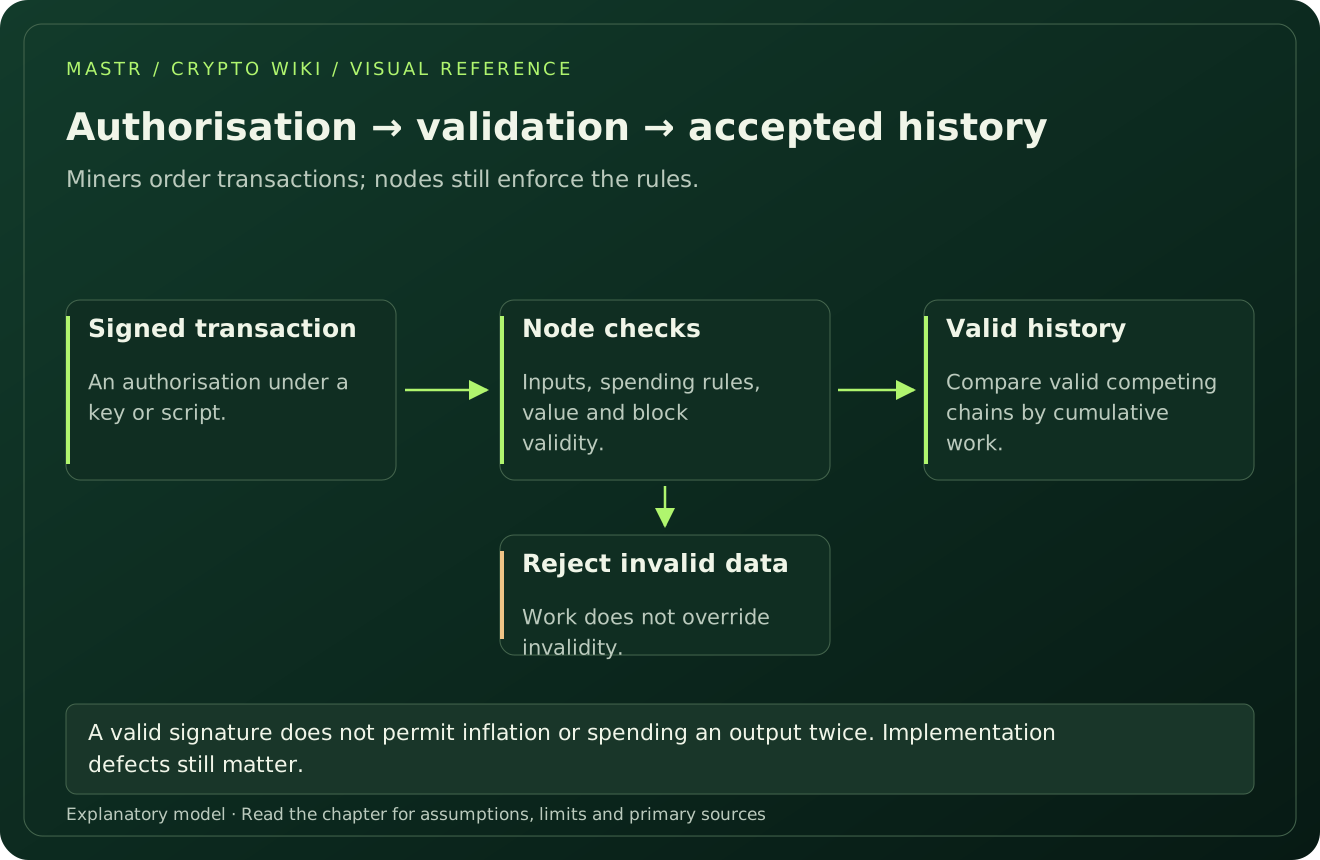
起源与历史 · 2009 onward
Keys authorise a spend, nodes decide whether it is valid, and proof of work orders the valid history. None of those jobs should be confused.
起源与历史 · 2015–2021
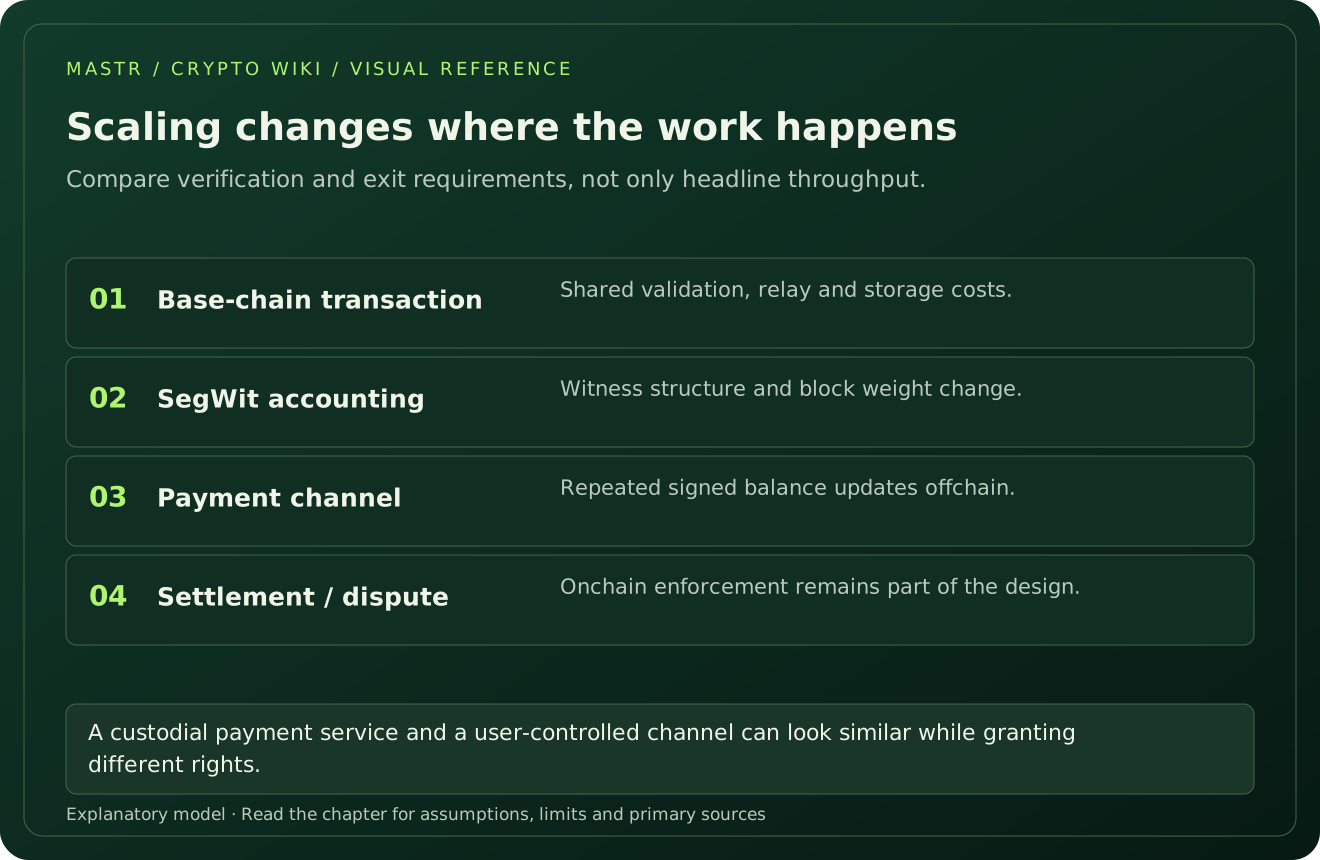
SegWit and payment channels show why scaling is a choice about resources and trust, not just a larger transactions-per-second number.
起源与历史 · 2015–2018
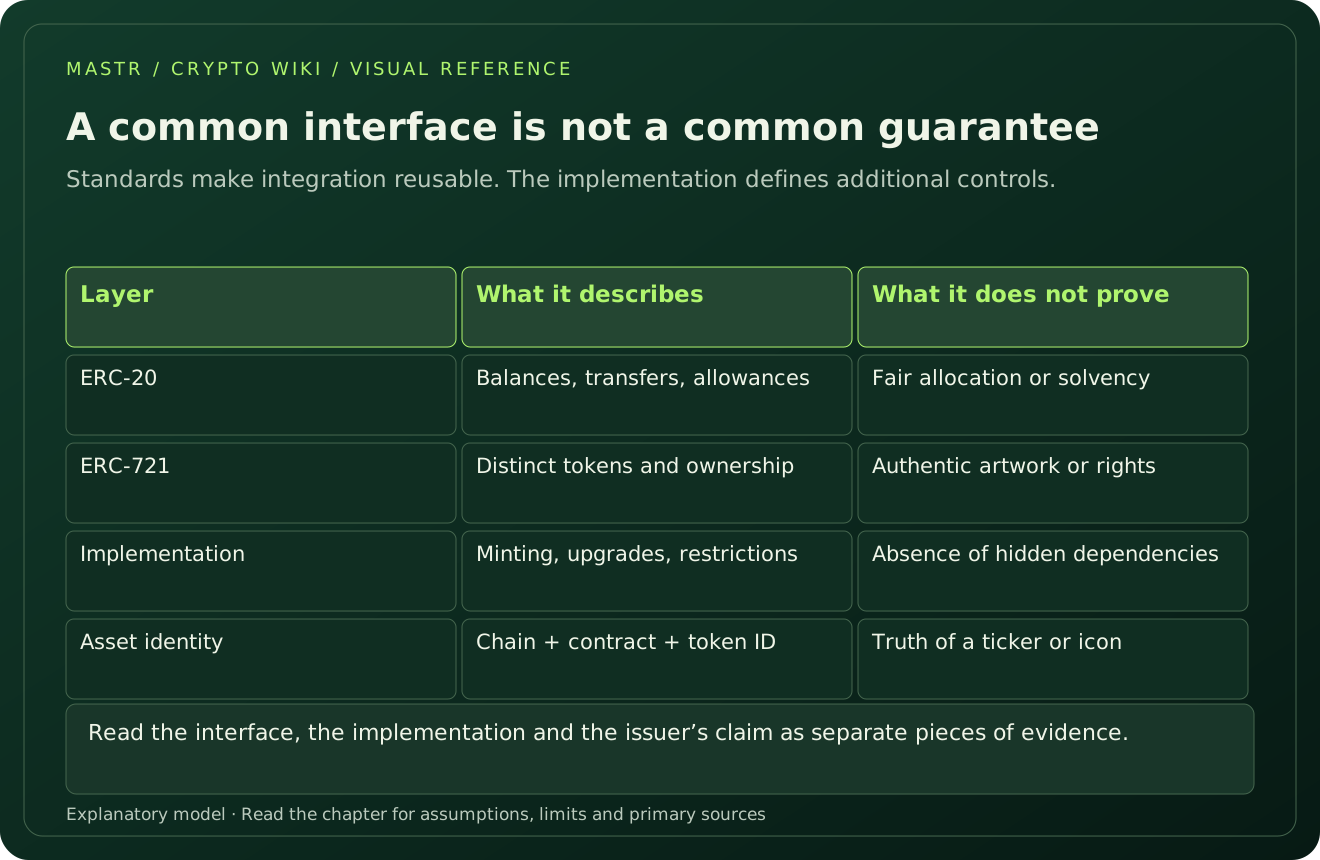
Common interfaces made wallets and markets reusable. They did not make every asset economically equivalent or safe.
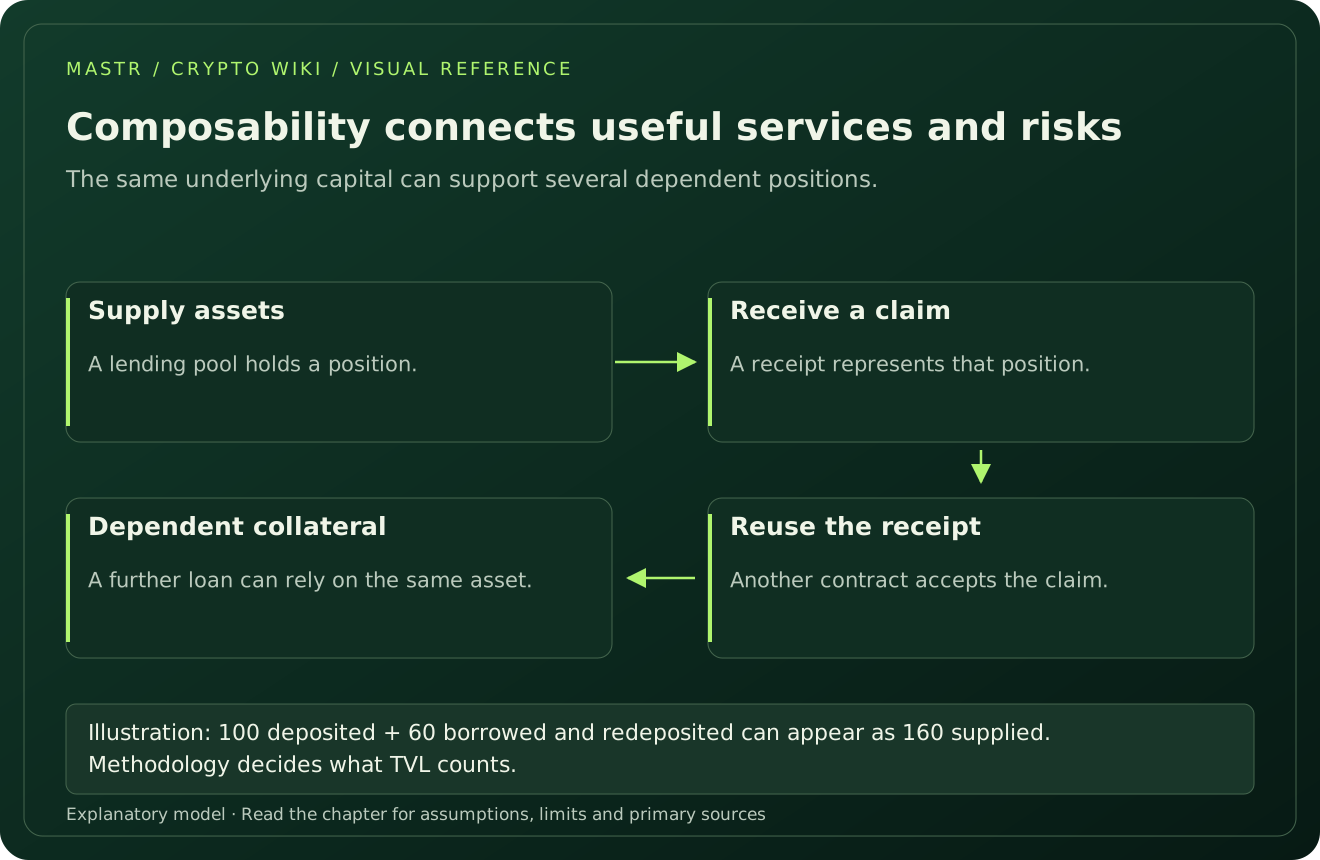
起源与历史 · 2018–2021
Automated markets and token incentives changed how users could provide capital, and made headline growth harder to interpret.
起源与历史 · 1993 onward
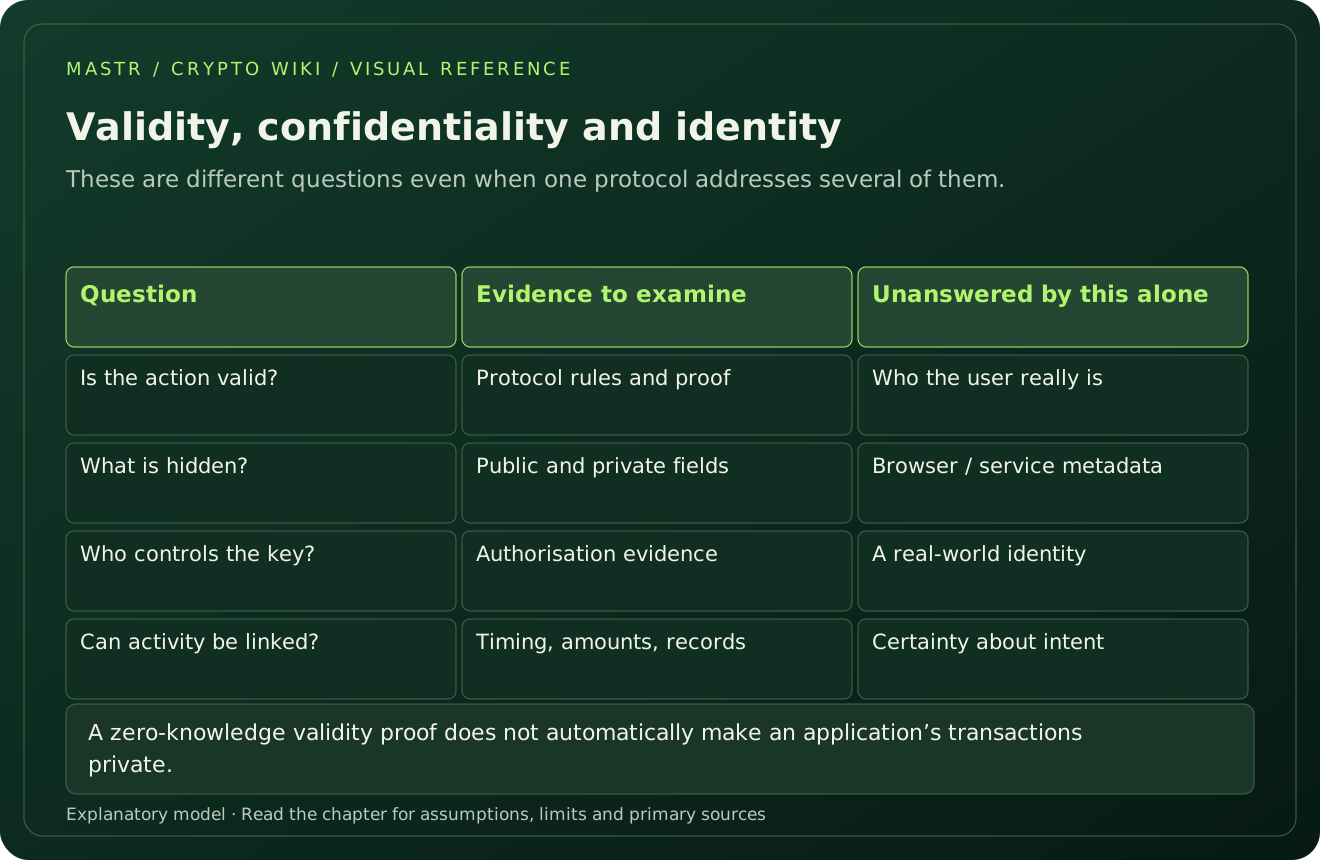
A valid proof, a hidden amount and an anonymous user are three different claims. Privacy has to be assessed across the whole interaction.
市场与激励 · 2014 onward
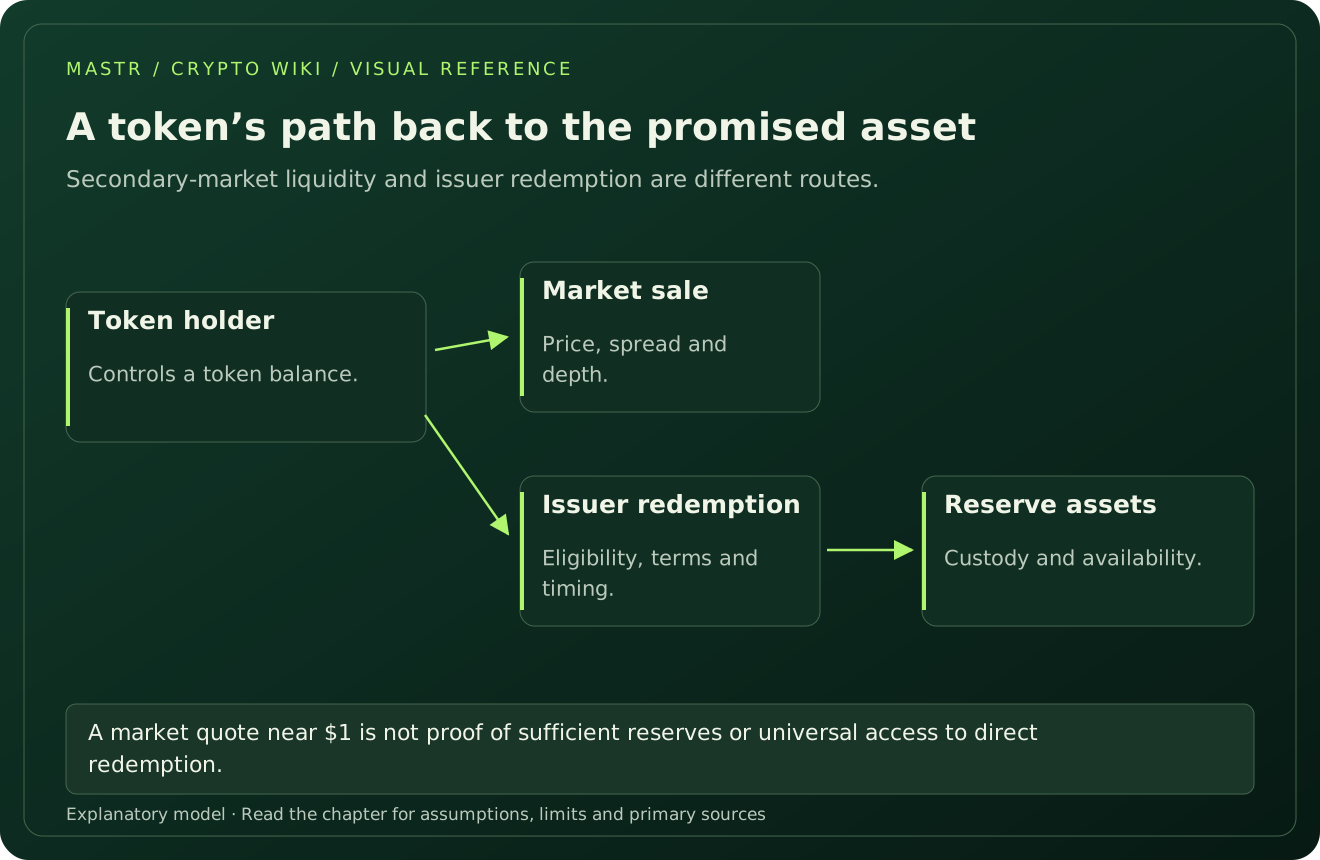
A price target is not a complete description of the claim. Follow the route from token holder to the assets that are meant to support redemption.
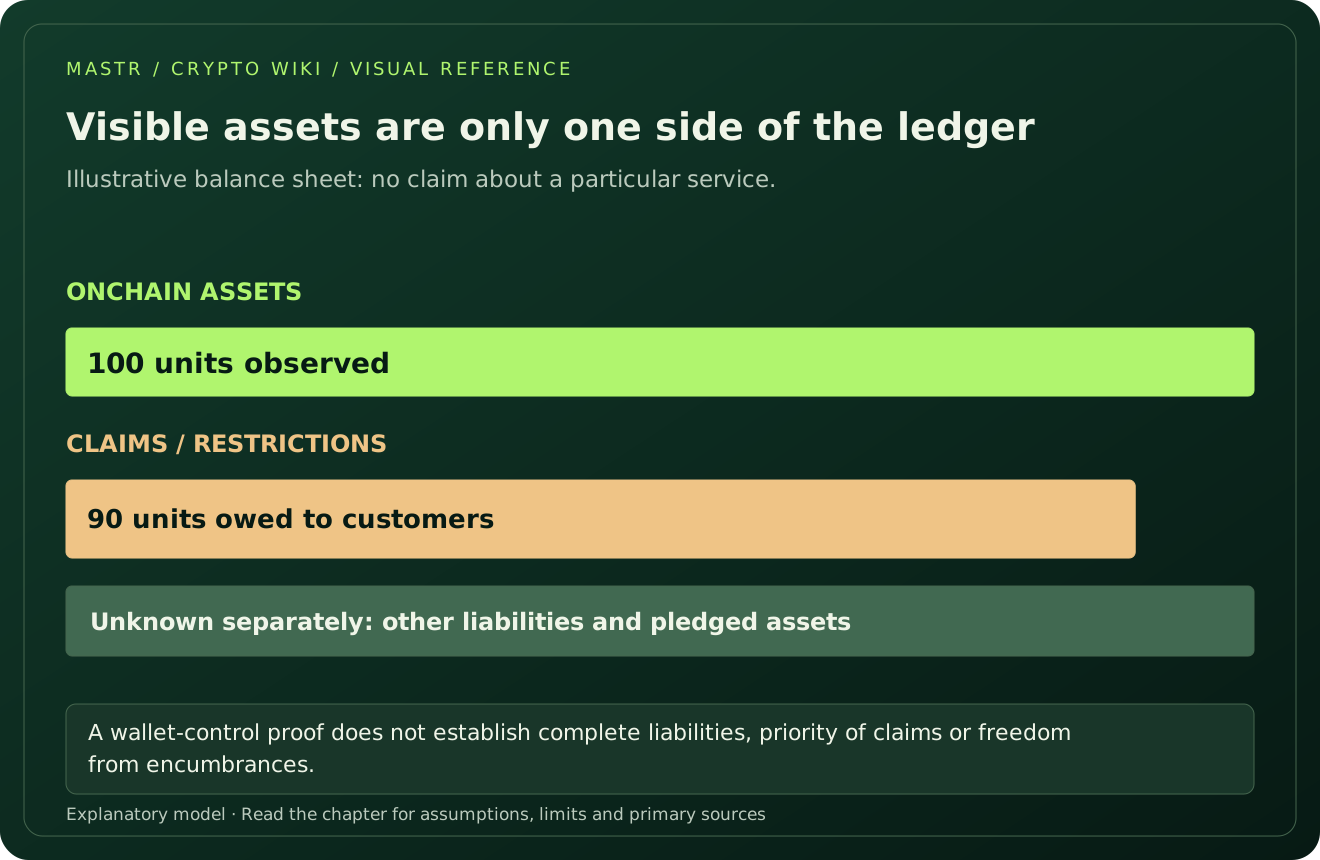
市场与激励 · 2014–2024
Exchange collapses and lending failures are easier to understand when assets, liabilities, control and withdrawal rights are kept separate.
市场与激励 · Core market mechanics
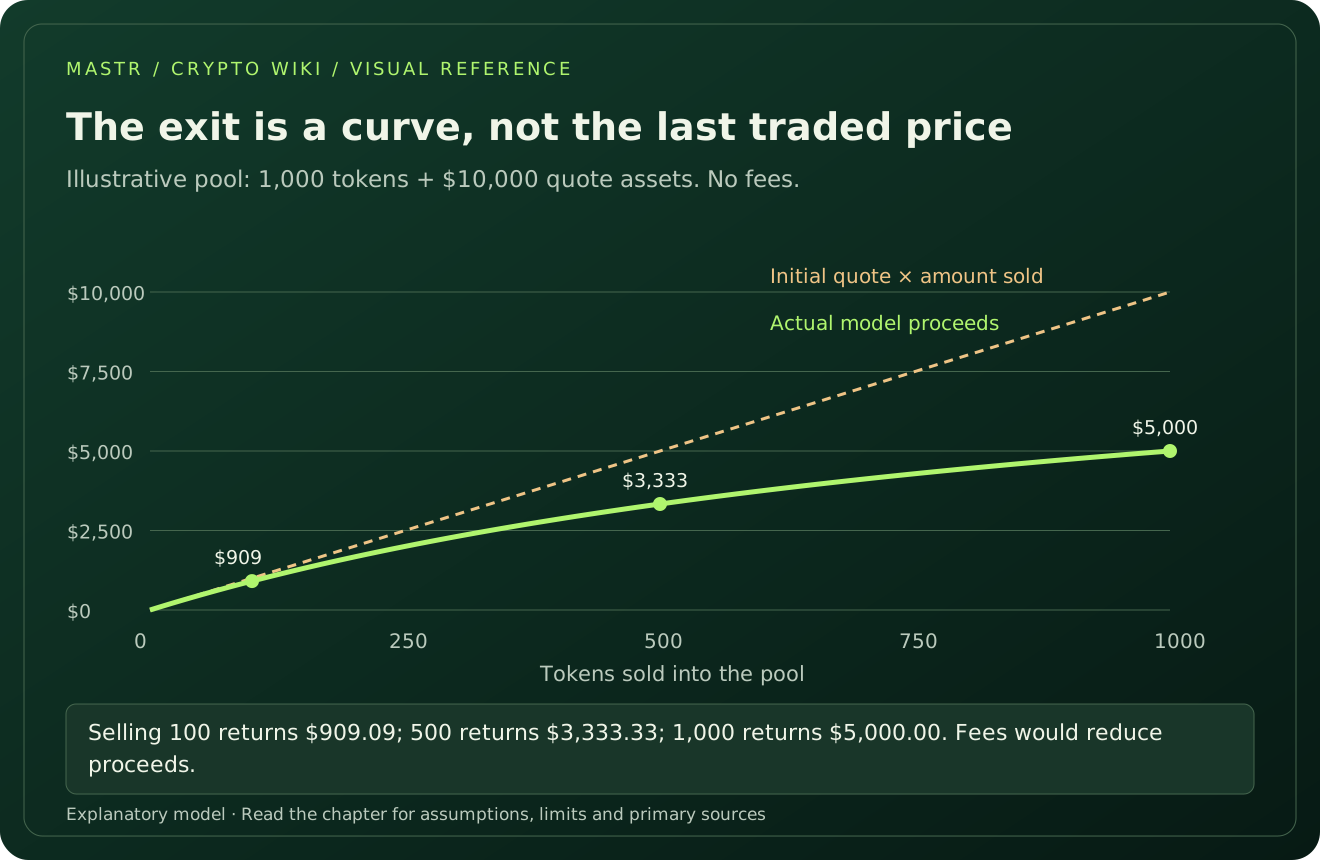
A marginal quote values the whole supply on paper. Selling a position changes the pool that produced that quote.
市场与激励 · DeFi risk mechanics
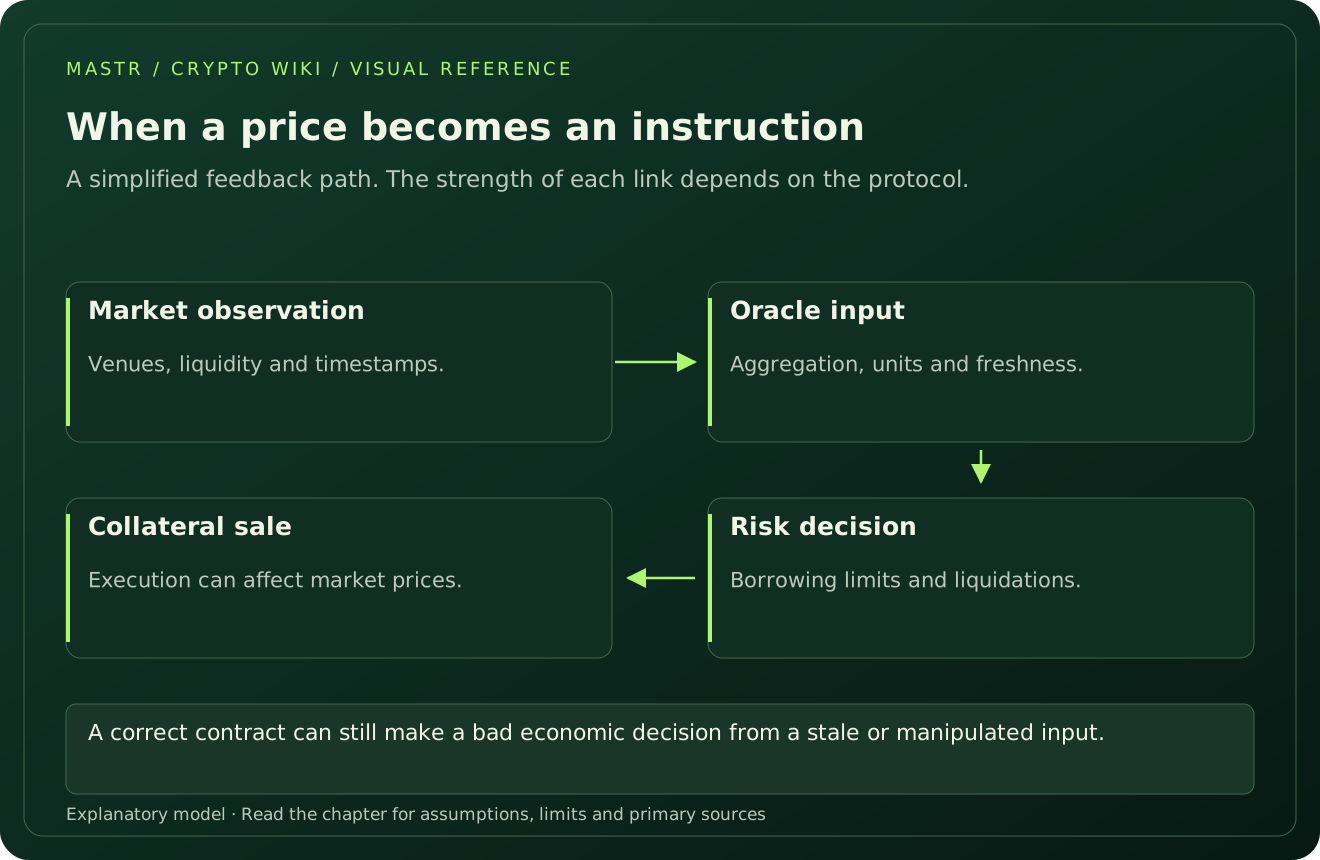
A number becomes dangerous when a contract uses it to decide borrowing capacity, settlement or liquidation.
市场与激励 · 2024–2026
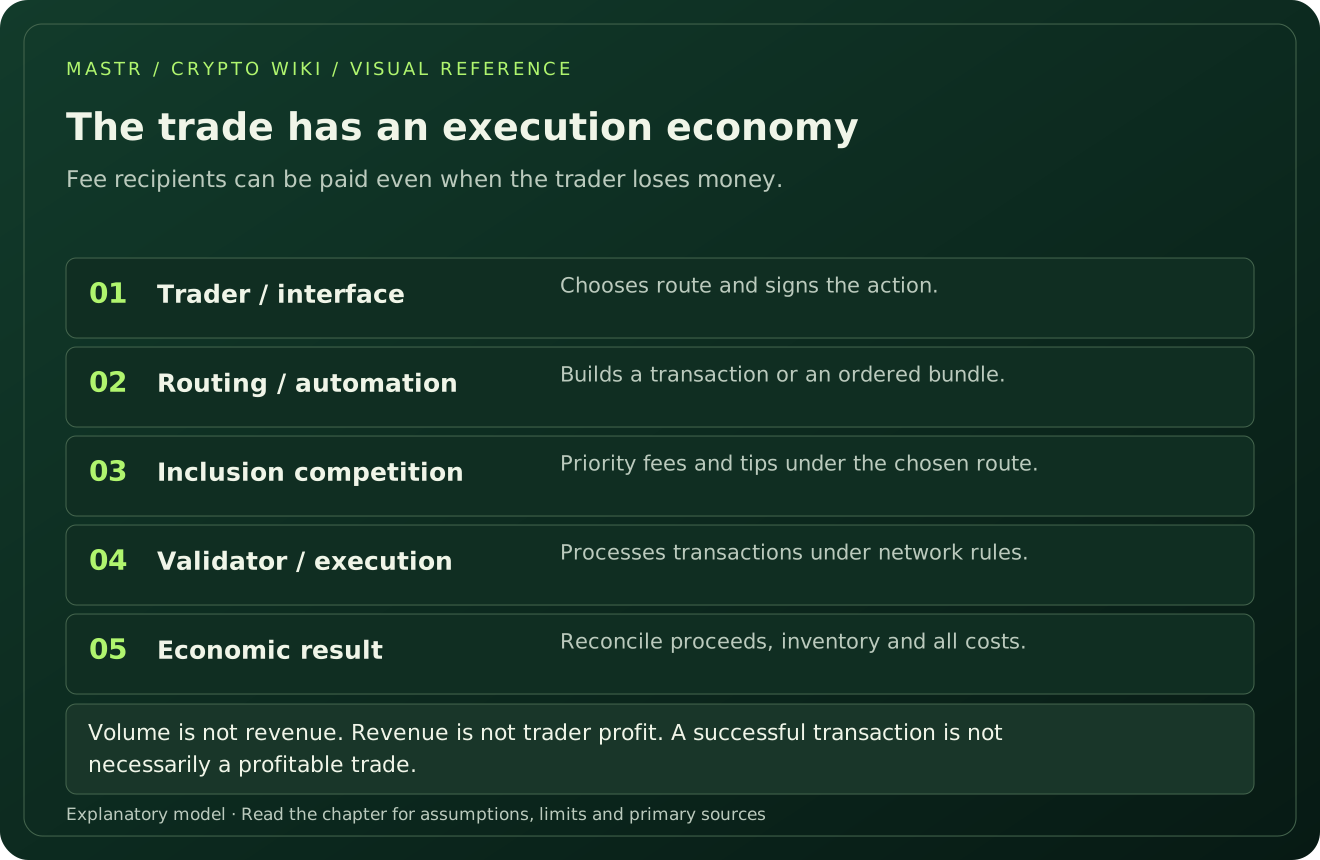
The research literature and MASTR’s archive help separate activity, execution advantage, revenue and evidence of coordinated ownership.
市场与激励 · 2020 onward
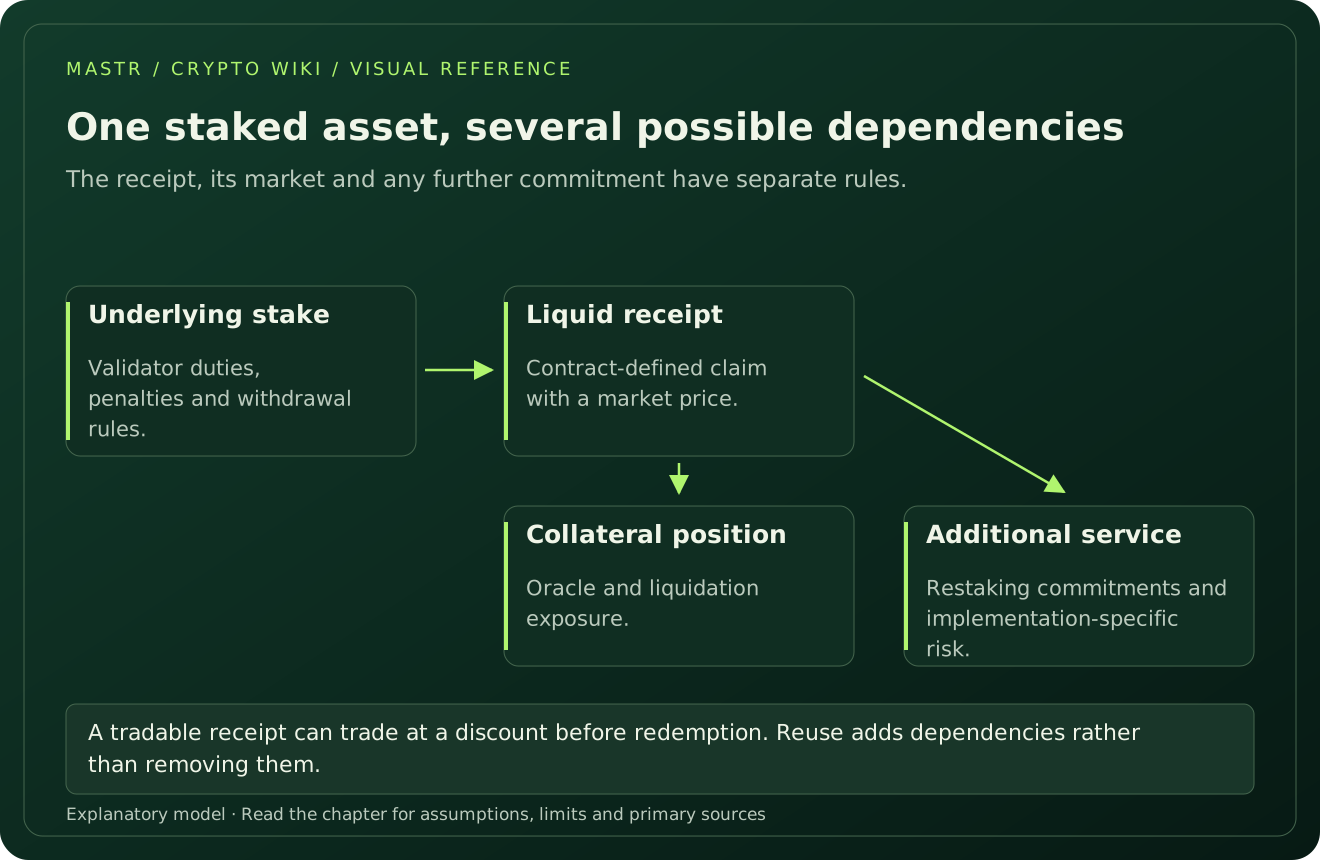
A tradable receipt improves flexibility, but it does not remove validator, withdrawal, smart-contract or collateral risk.
基础设施与所有权 · Cross-chain systems
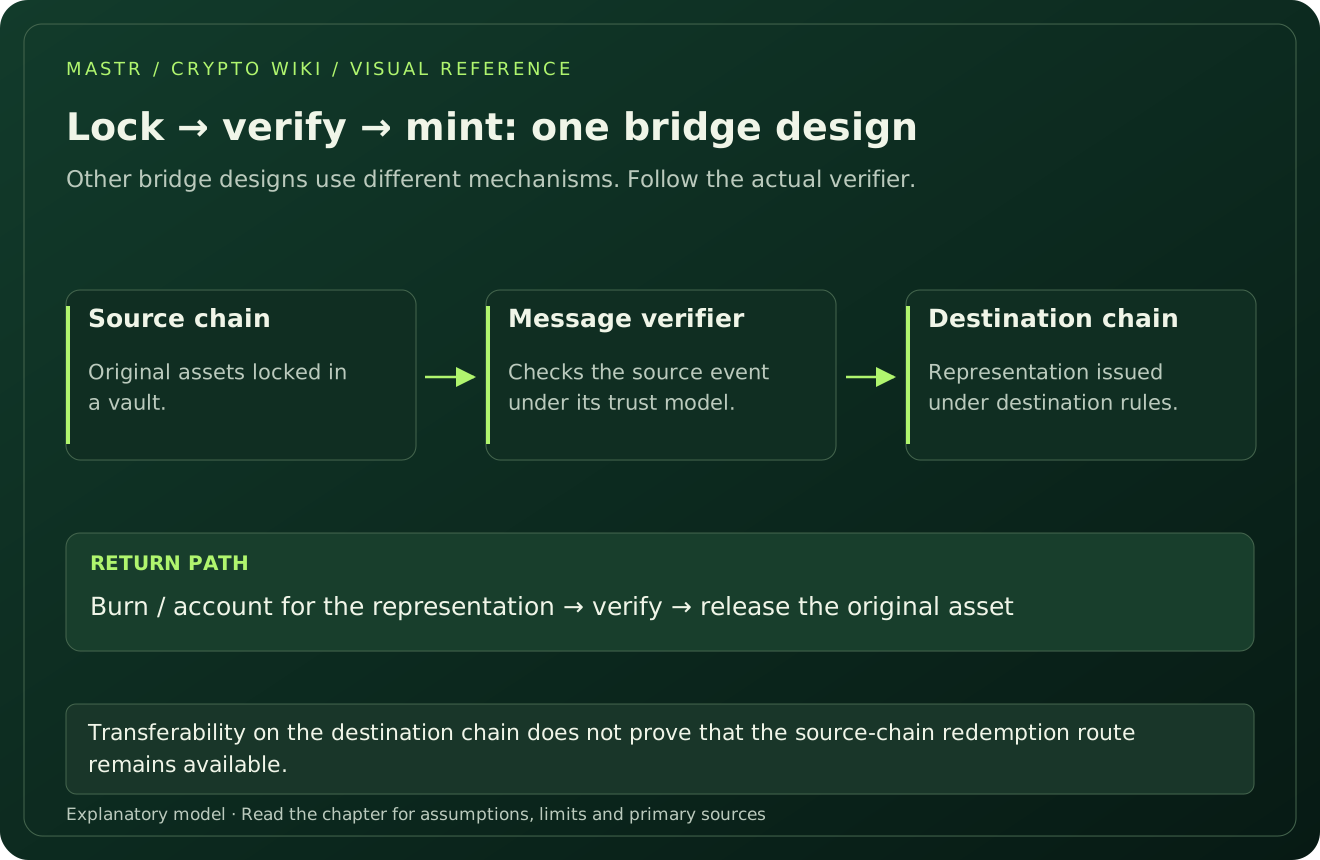
Moving an asset across chains usually creates dependencies between two state machines. Follow the verifier and the redemption route.
基础设施与所有权 · 2020 onward
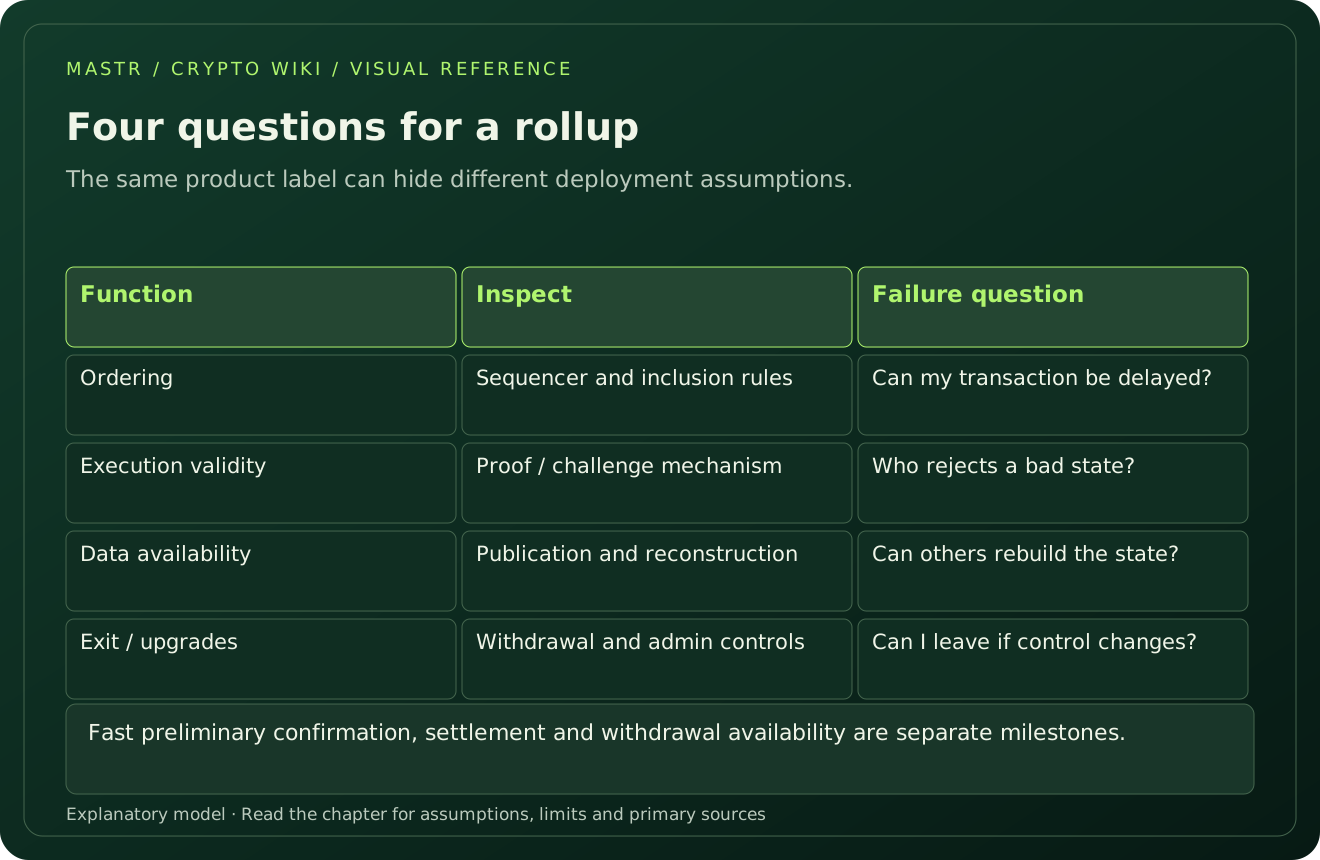
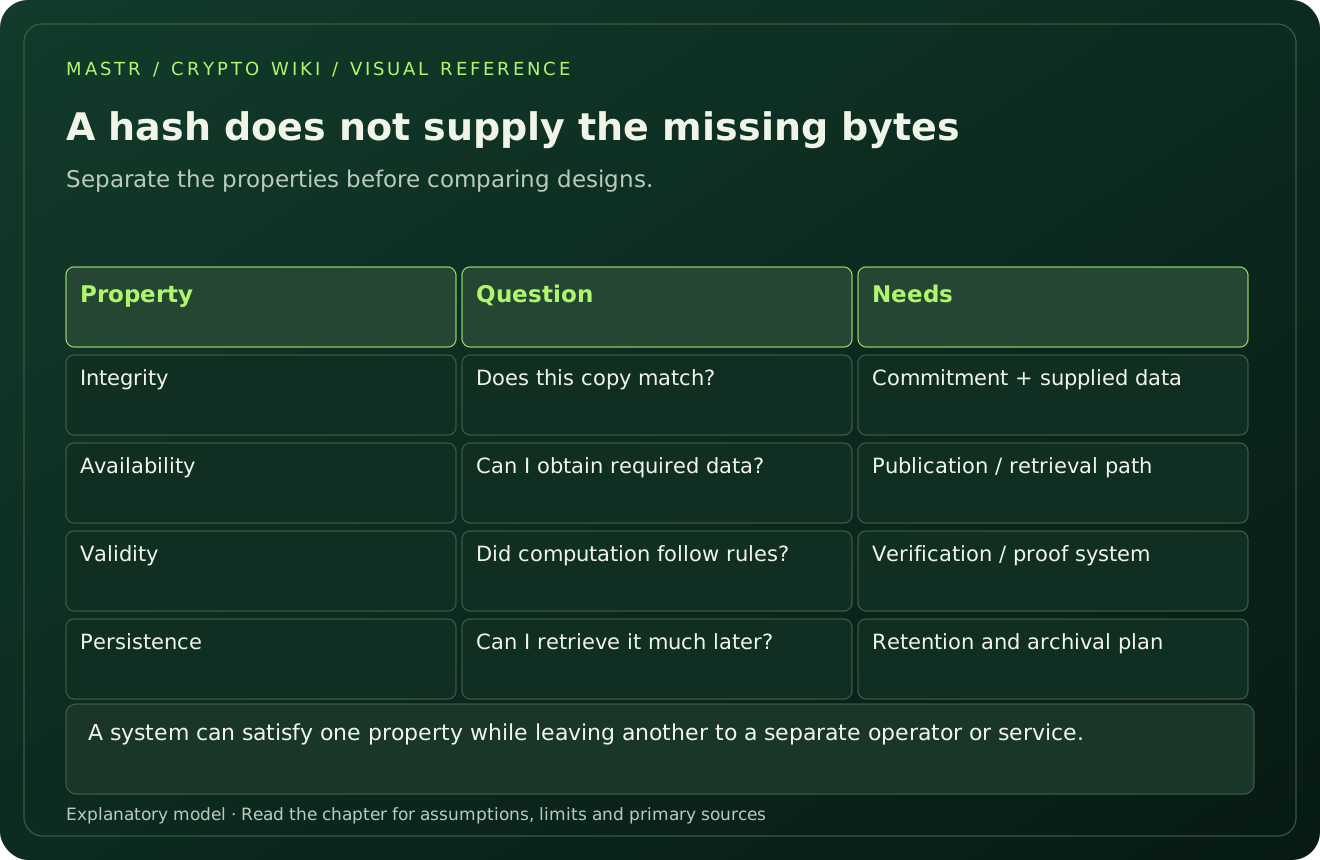
Separate transaction ordering, state verification, data availability and the user’s ability to exit.
基础设施与所有权 · Modular blockchain design
A commitment can authenticate data without supplying it. Publishing data now and preserving it for years are related but different jobs.
基础设施与所有权 · Web3 storage
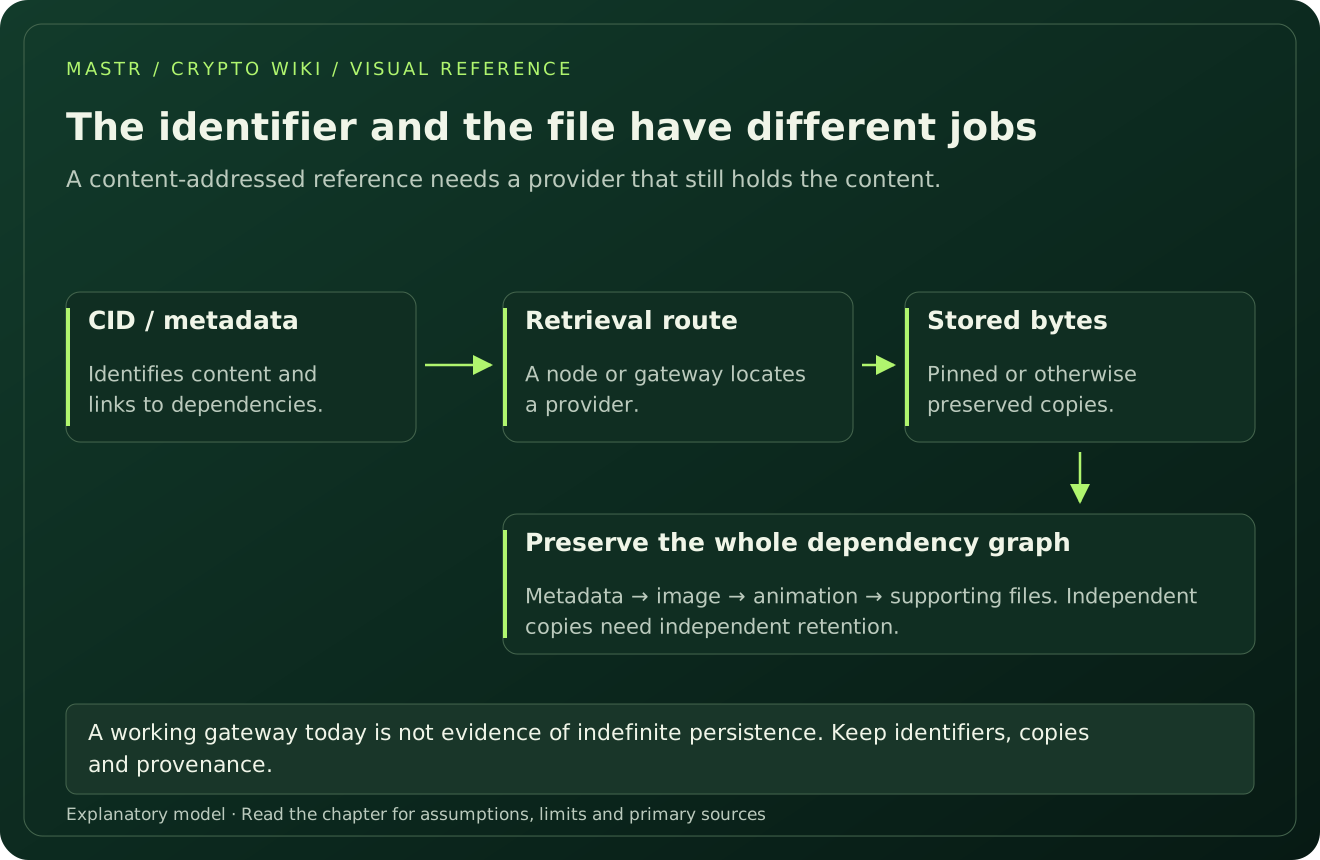
A content identifier helps identify bytes. Someone still has to preserve and serve those bytes.
基础设施与所有权 · 2017 onward
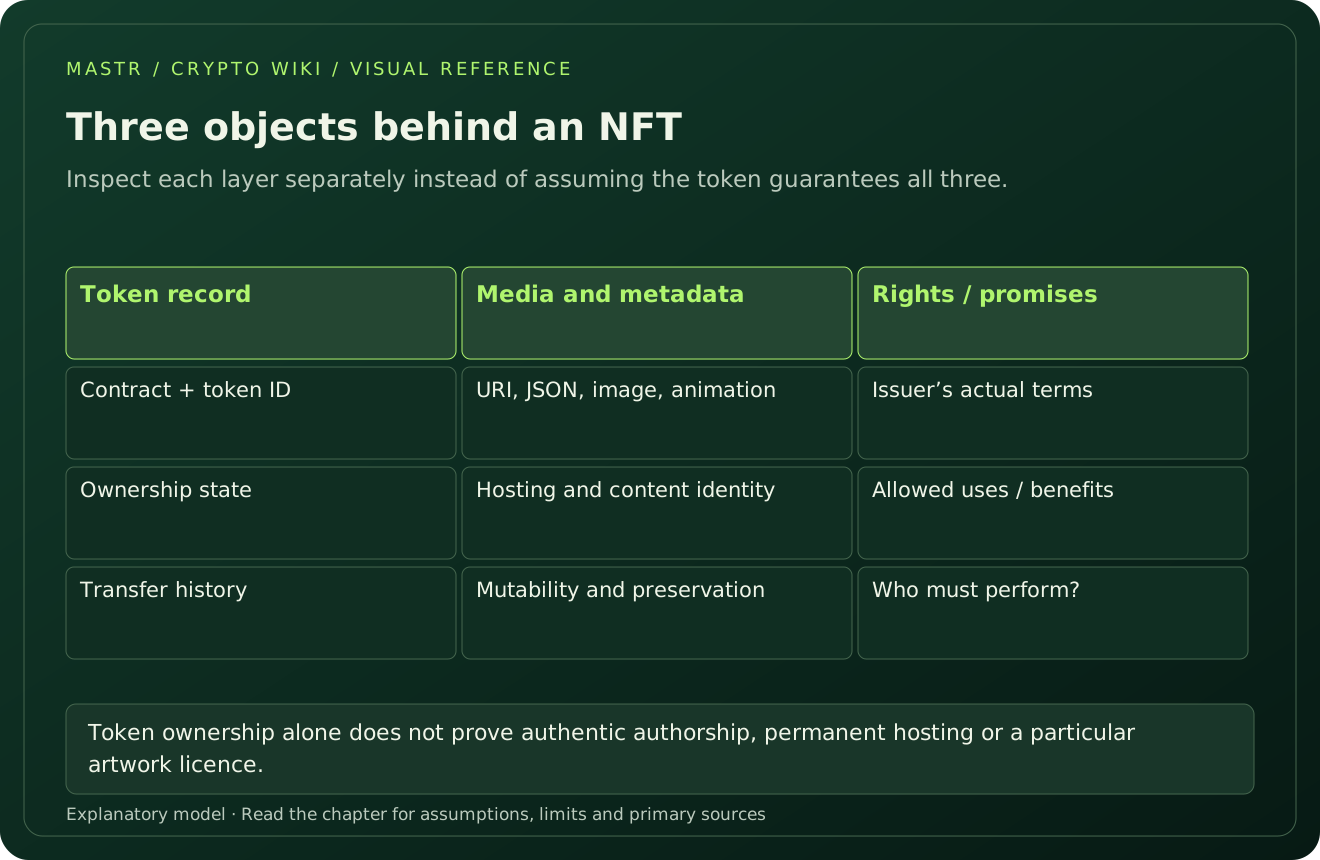
An ownership record, an image file and a licence are different objects. A durable reference follows all three.
基础设施与所有权 · Web3 identity
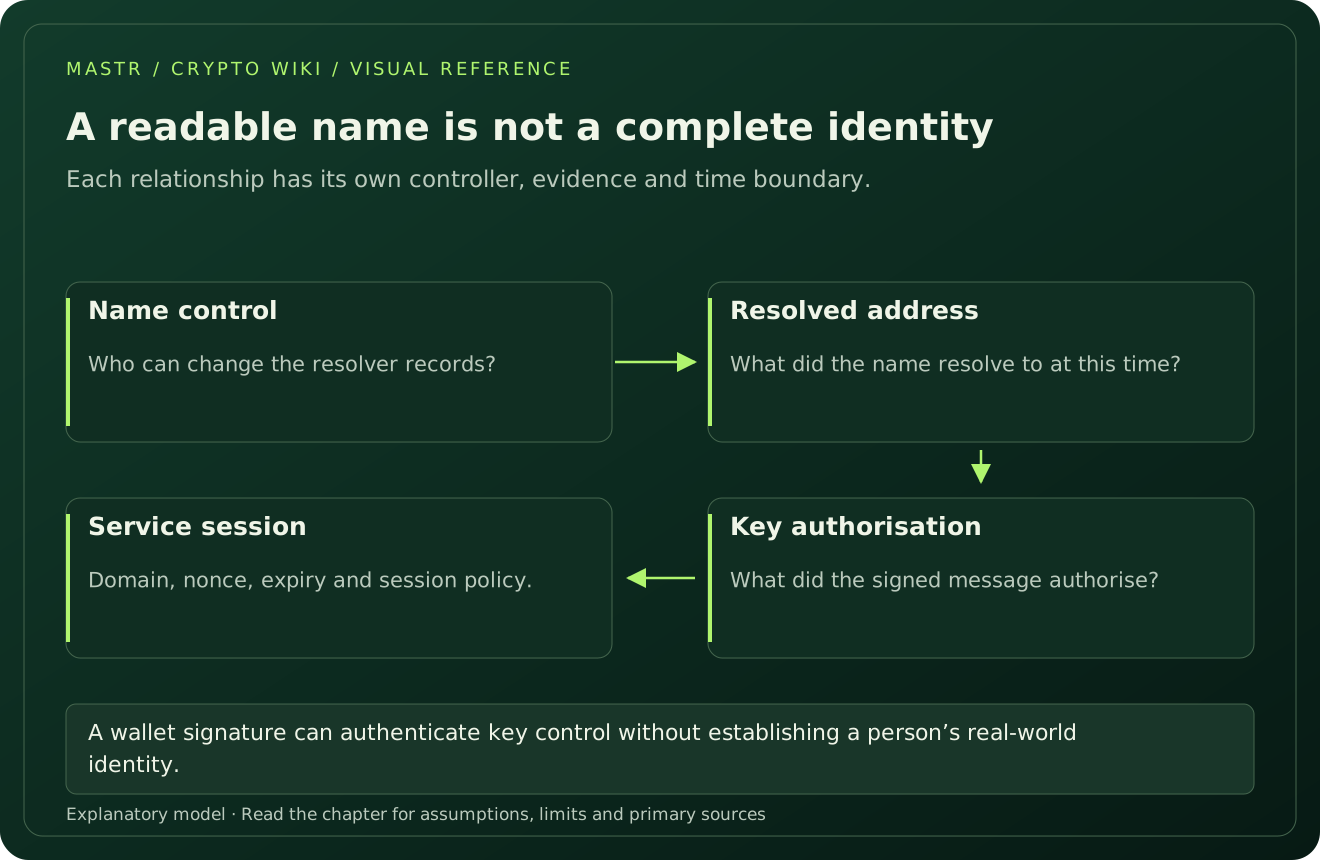
A name can resolve an address and a signature can prove key control. Neither alone establishes a trustworthy person or business.
控制与证据 · Wallet security
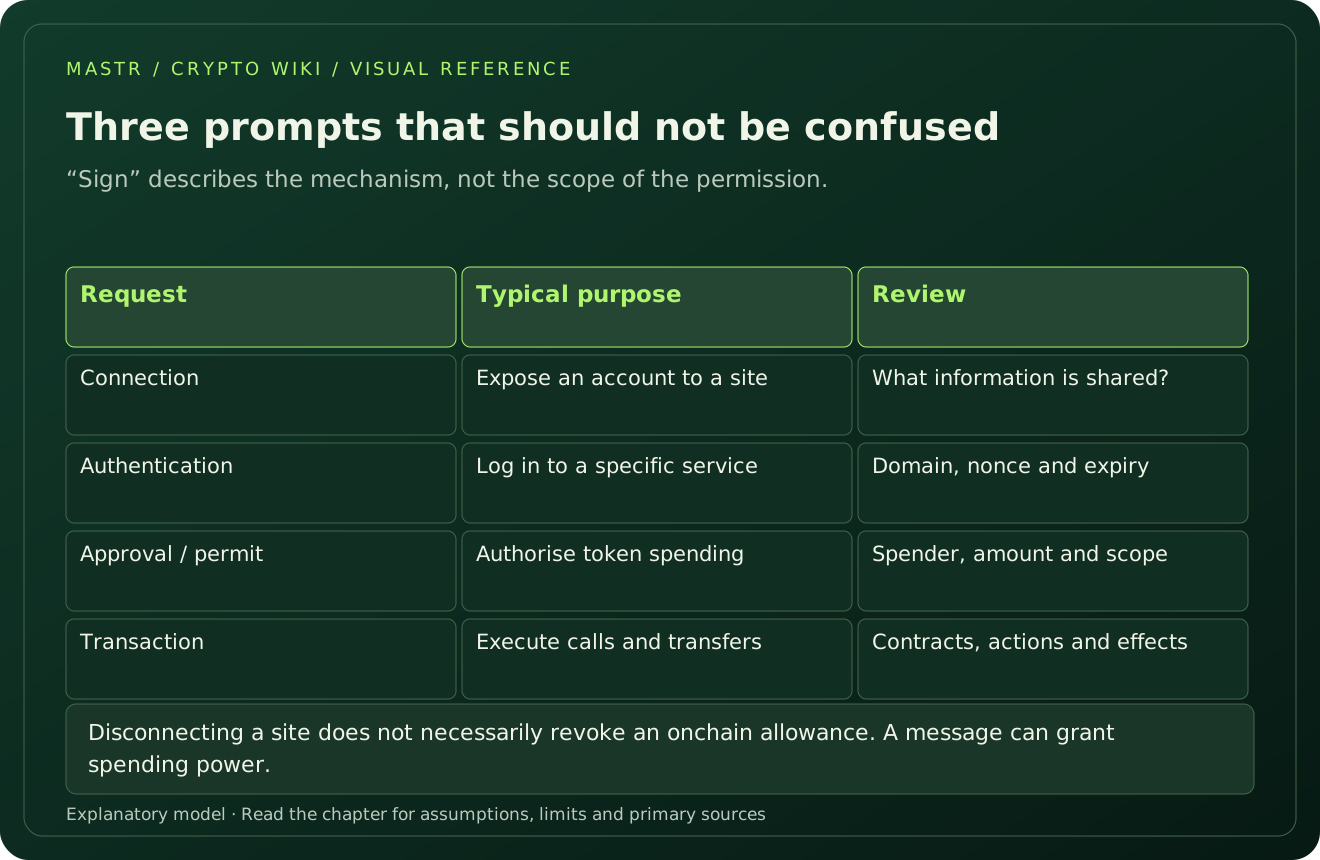
The chain can execute a maliciously requested action perfectly. Read the authority being granted, not just the button label.
控制与证据 · ERC-4337 and EIP-7702
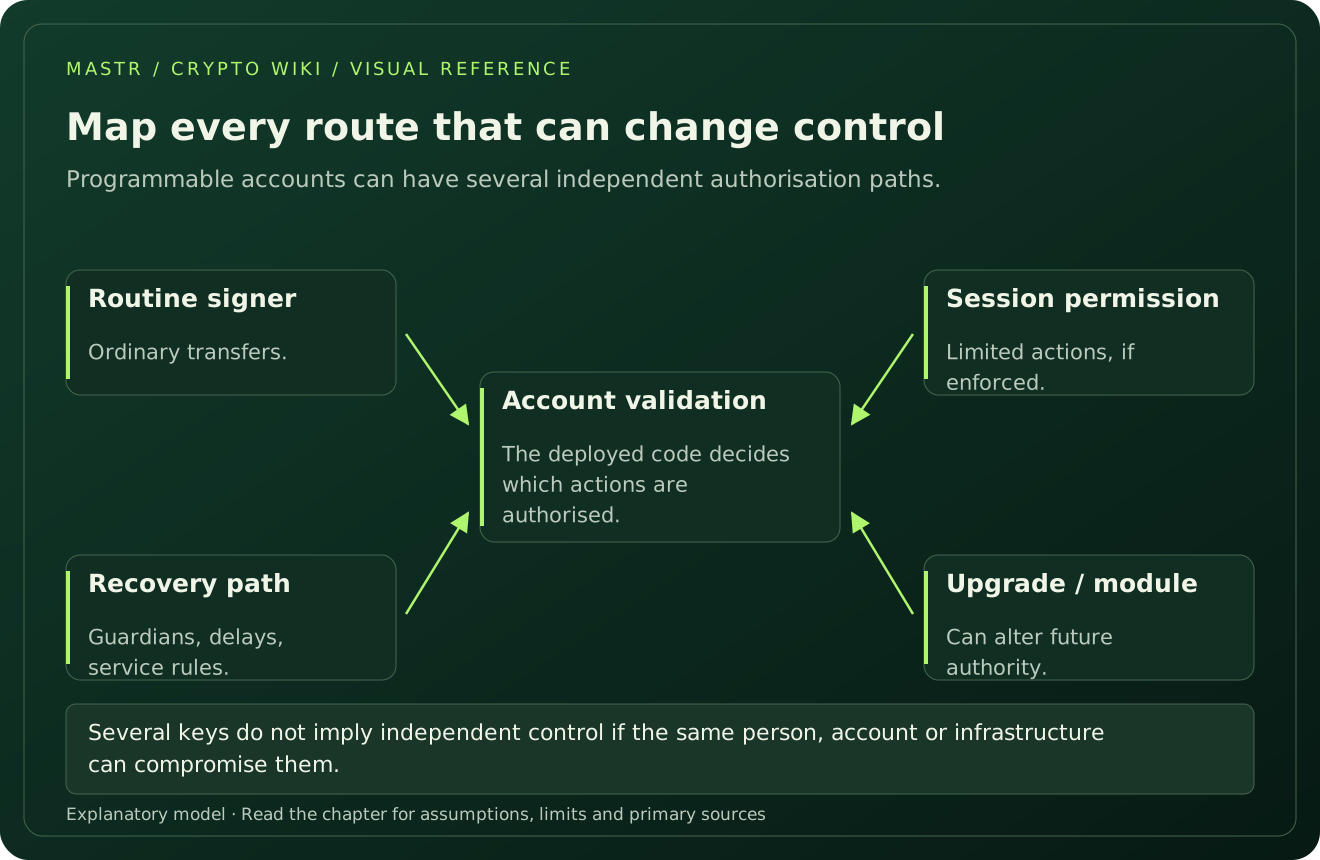
Programmable accounts can improve recovery and permissions, but the account’s validation rules become part of what the user must understand.
控制与证据 · 2016 onward
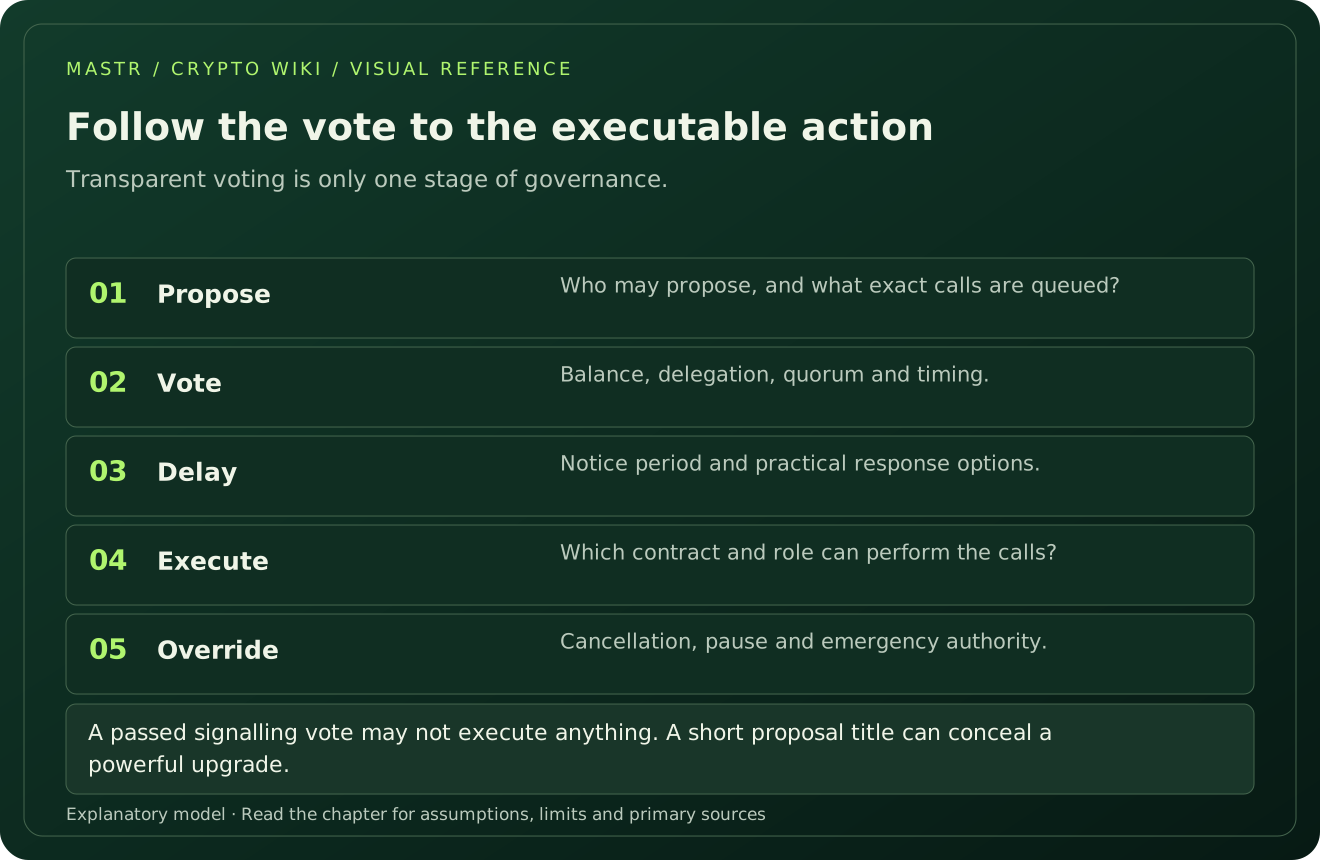
A public vote can be transparent while power remains concentrated in delegation, proposal rights, upgrade keys or execution.
控制与证据 · Research method
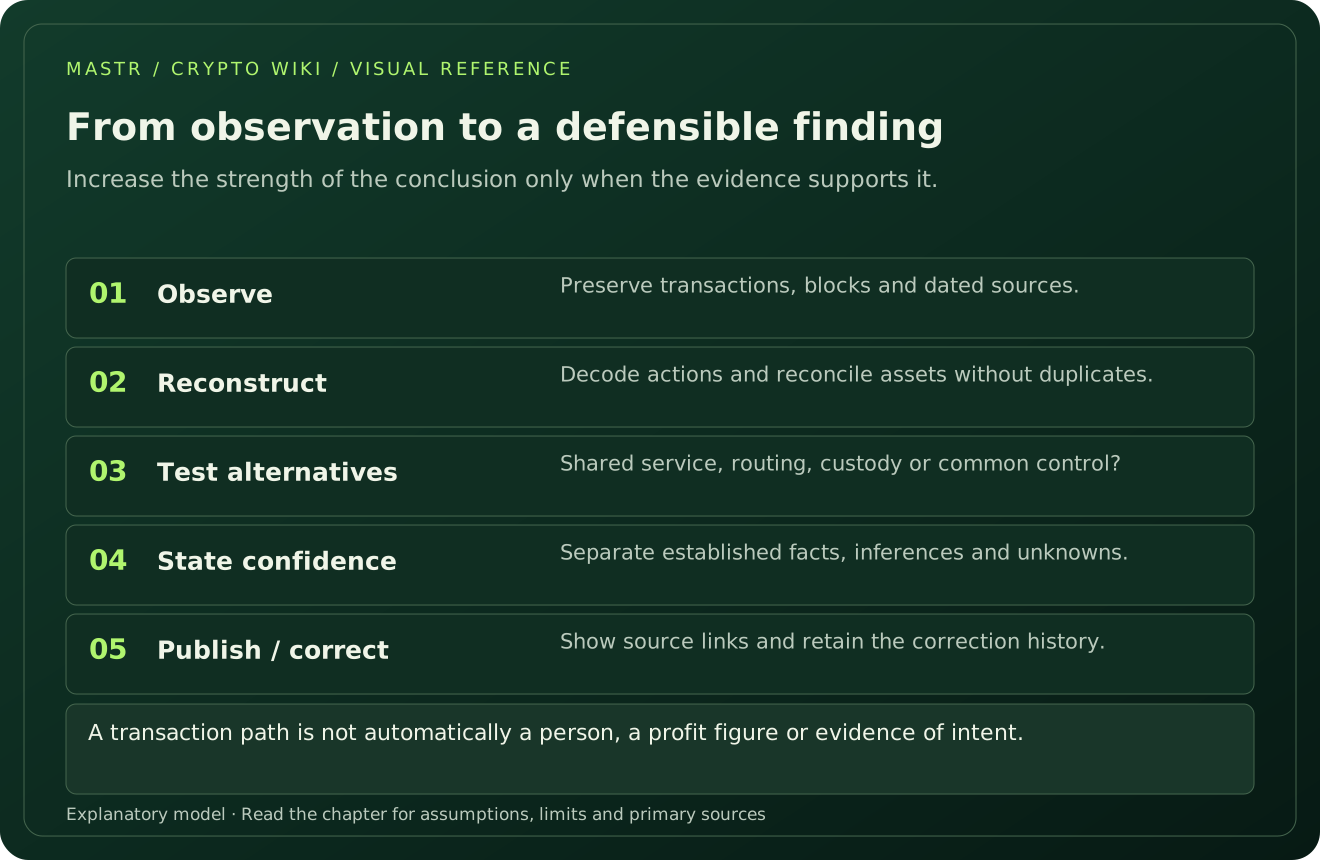
Preserve observations, test alternative explanations and distinguish a transaction path from a claim about identity or intent.
控制与证据 · Research method
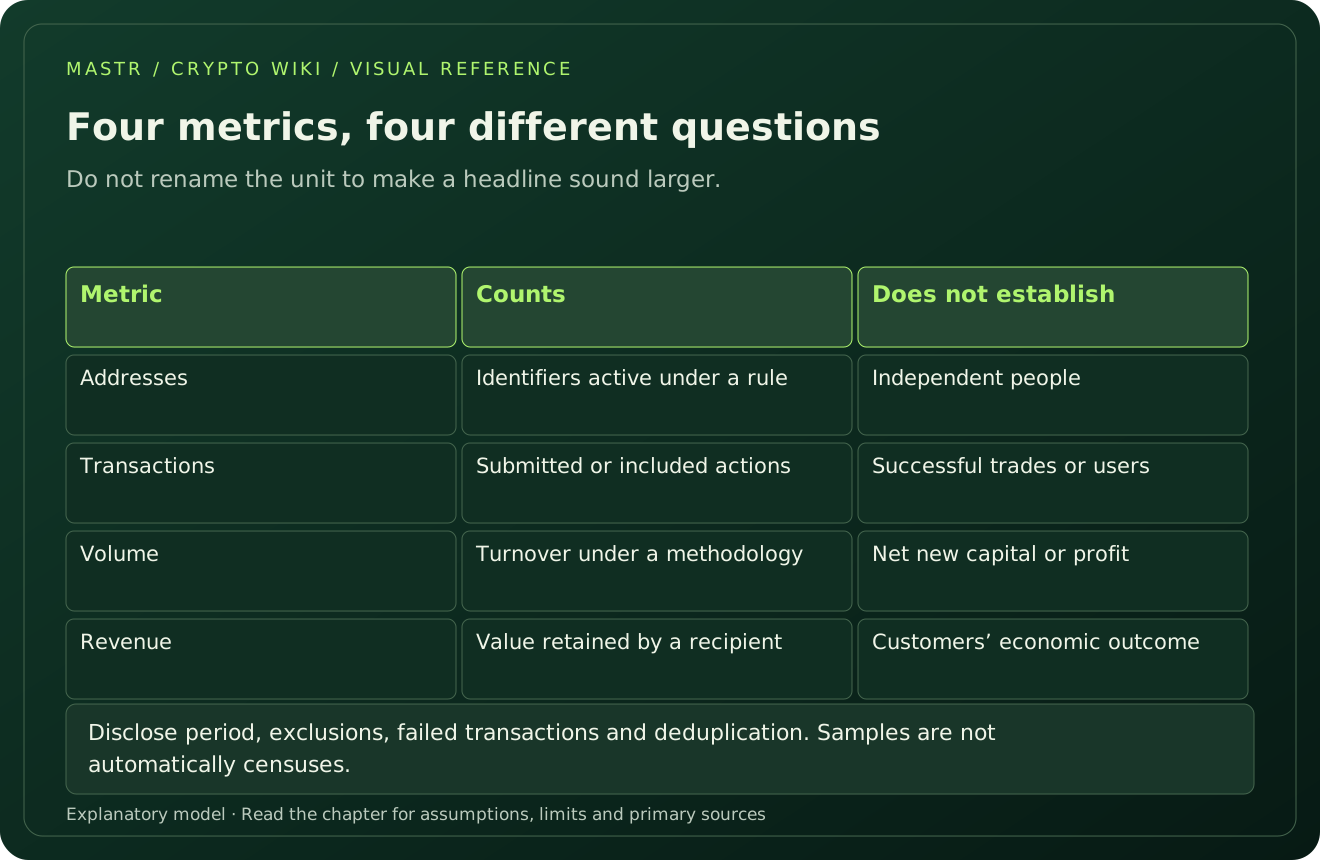
A chain can be busy without every transaction representing a new person, a successful trade or an economic gain.
控制与证据 · Web2 and Web3 dependencies
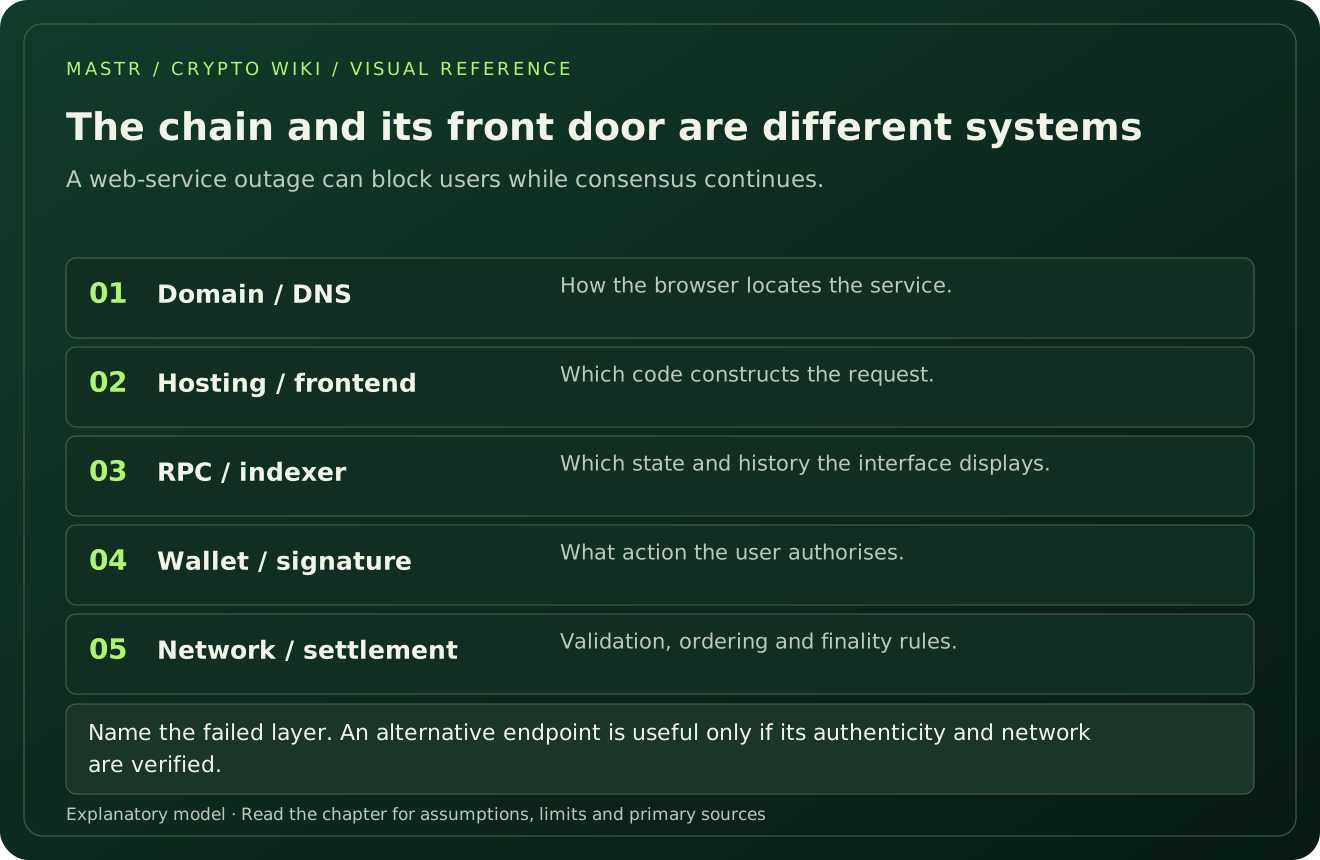
Domains, browsers, hosting, RPC providers and indexers sit between a user and the chain. Their failures are not all consensus failures.