控制与证据 · 2016 onward
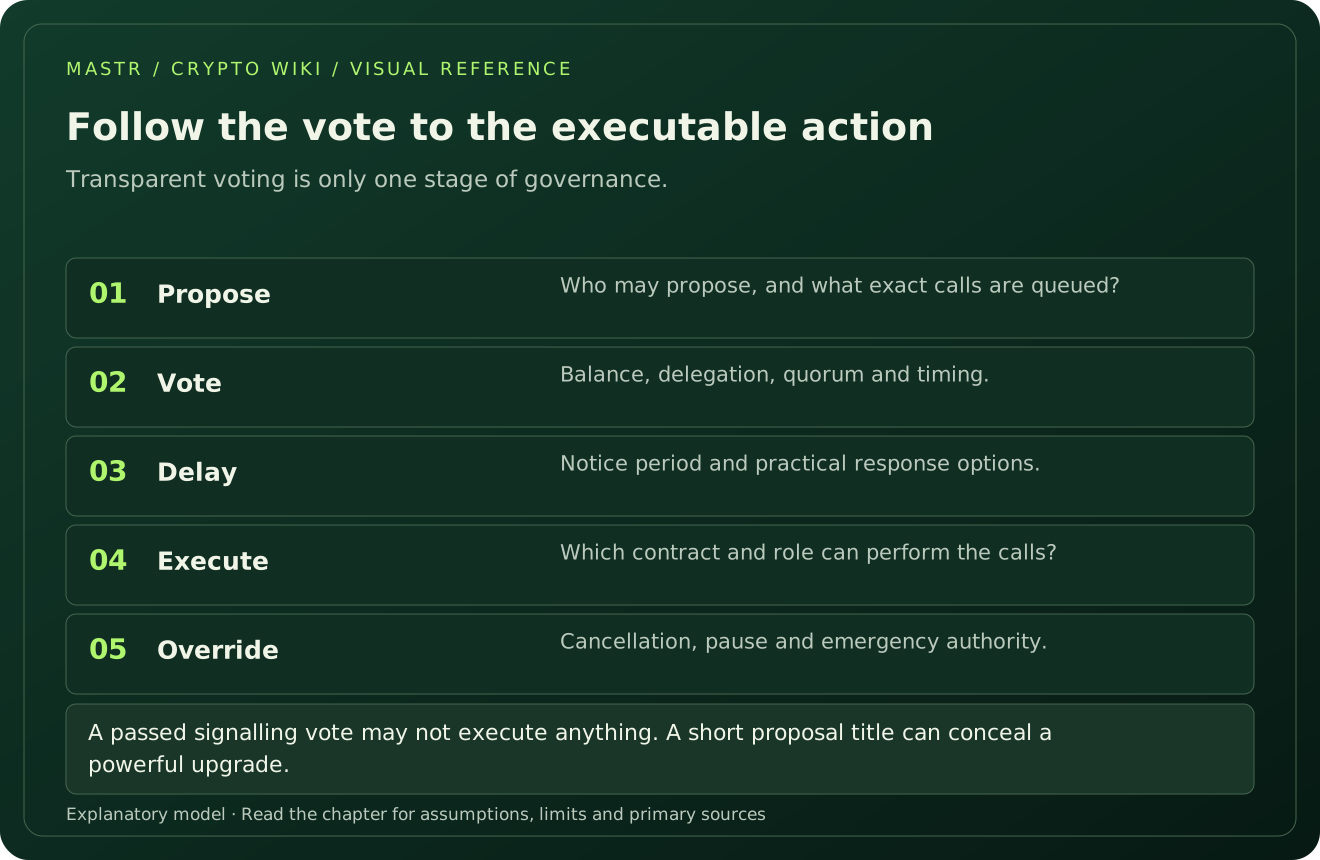
DAO governance: follow the vote all the way to execution
A public vote can be transparent while power remains concentrated in delegation, proposal rights, upgrade keys or execution.


研究 · 历史 · 参考
438 · 文章与参考资料
控制与证据 · 2016 onward
A public vote can be transparent while power remains concentrated in delegation, proposal rights, upgrade keys or execution.
Proposal rights, quorum, delegation and execution determine who can direct the assets.
基础设施与所有权 · Modular blockchain design
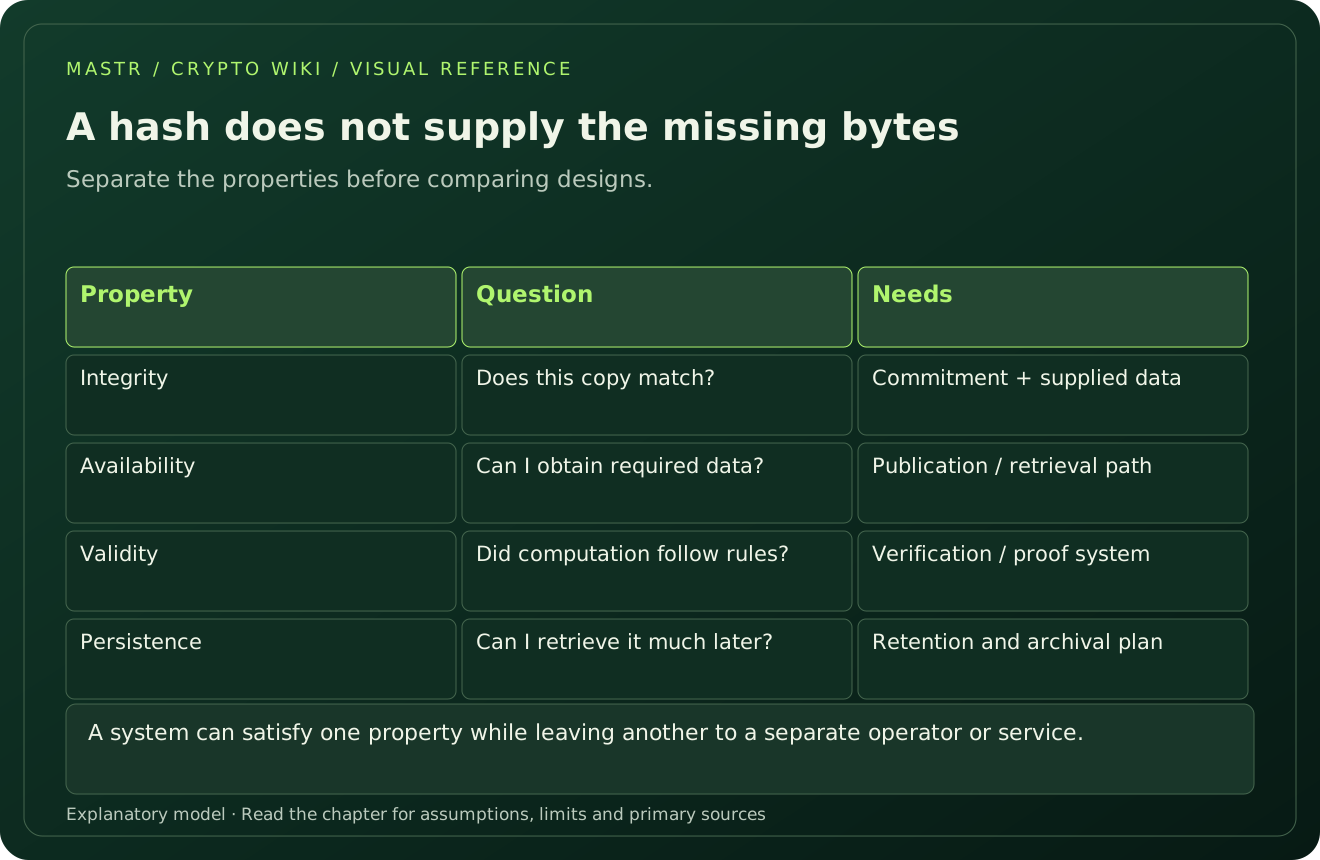
A commitment can authenticate data without supplying it. Publishing data now and preserving it for years are related but different jobs.
A commitment identifies data; availability determines whether the required data can be obtained.
起源与历史 · 2018–2021
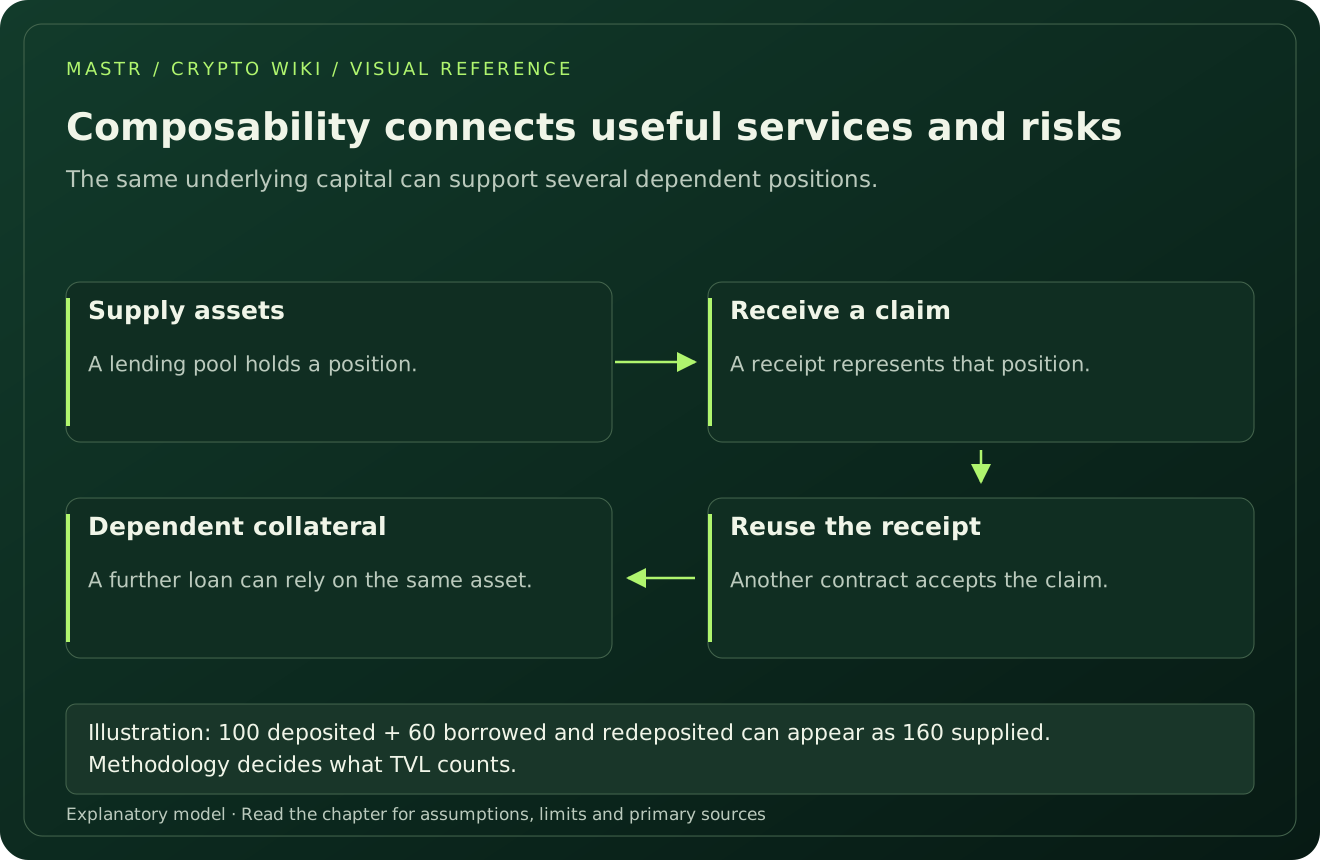
Automated markets and token incentives changed how users could provide capital, and made headline growth harder to interpret.
Delegatecall runs another contract's code in the caller's storage context.
An influencer buys below market and promotes into public demand.
Fee income and inventory changes must be evaluated together.
The official attribution follows a fake coding test through session impersonation to a manipulated transaction request.
A familiar domain must still resolve to the intended service.
名称、身份与网络内容
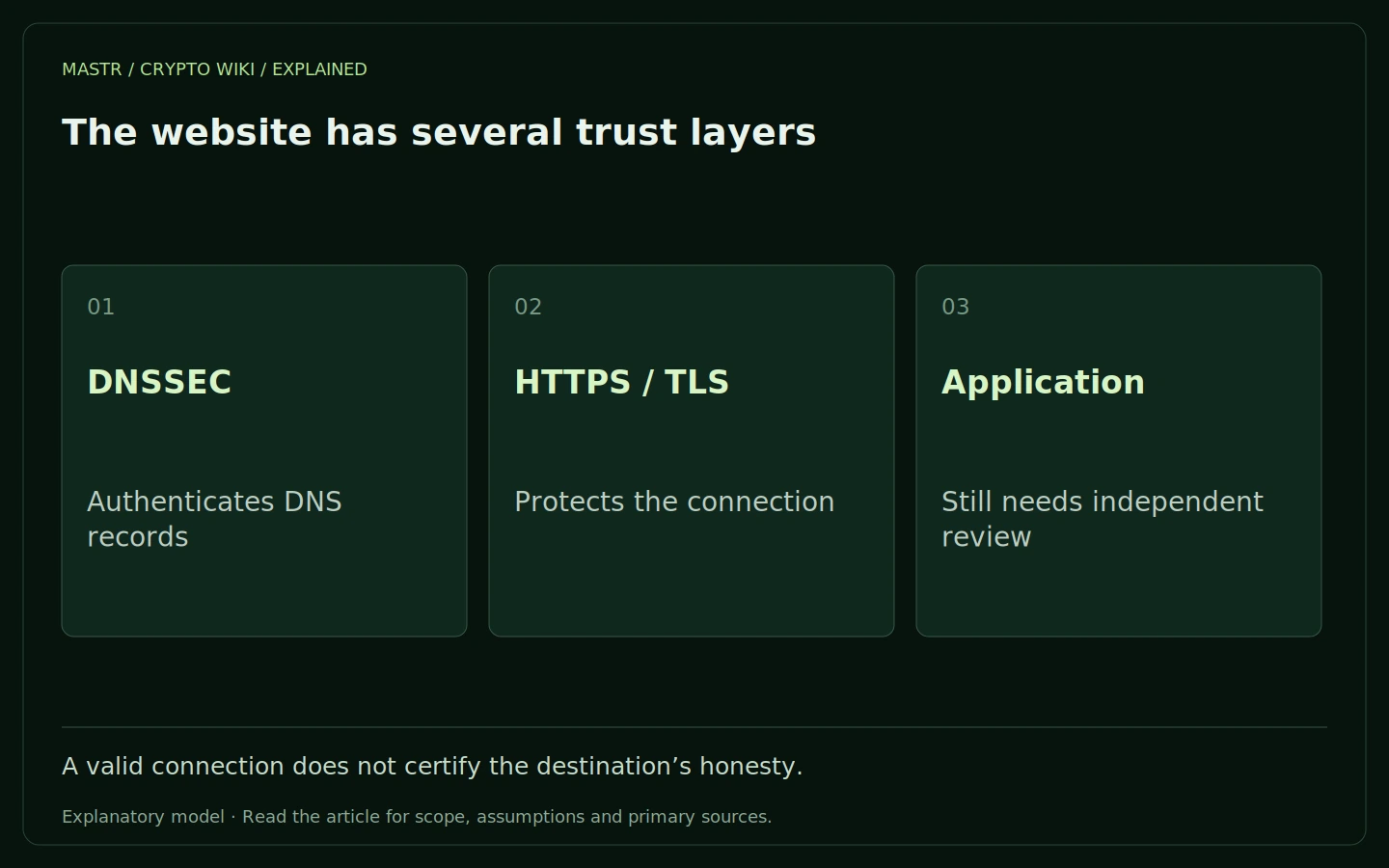
Authenticated name resolution and encrypted transport do not certify a financial application.
A token name, NFT description or tiny transfer contains a malicious URL.
Finality defines when reversal becomes impossible or economically exceptional.
智能账户与治理
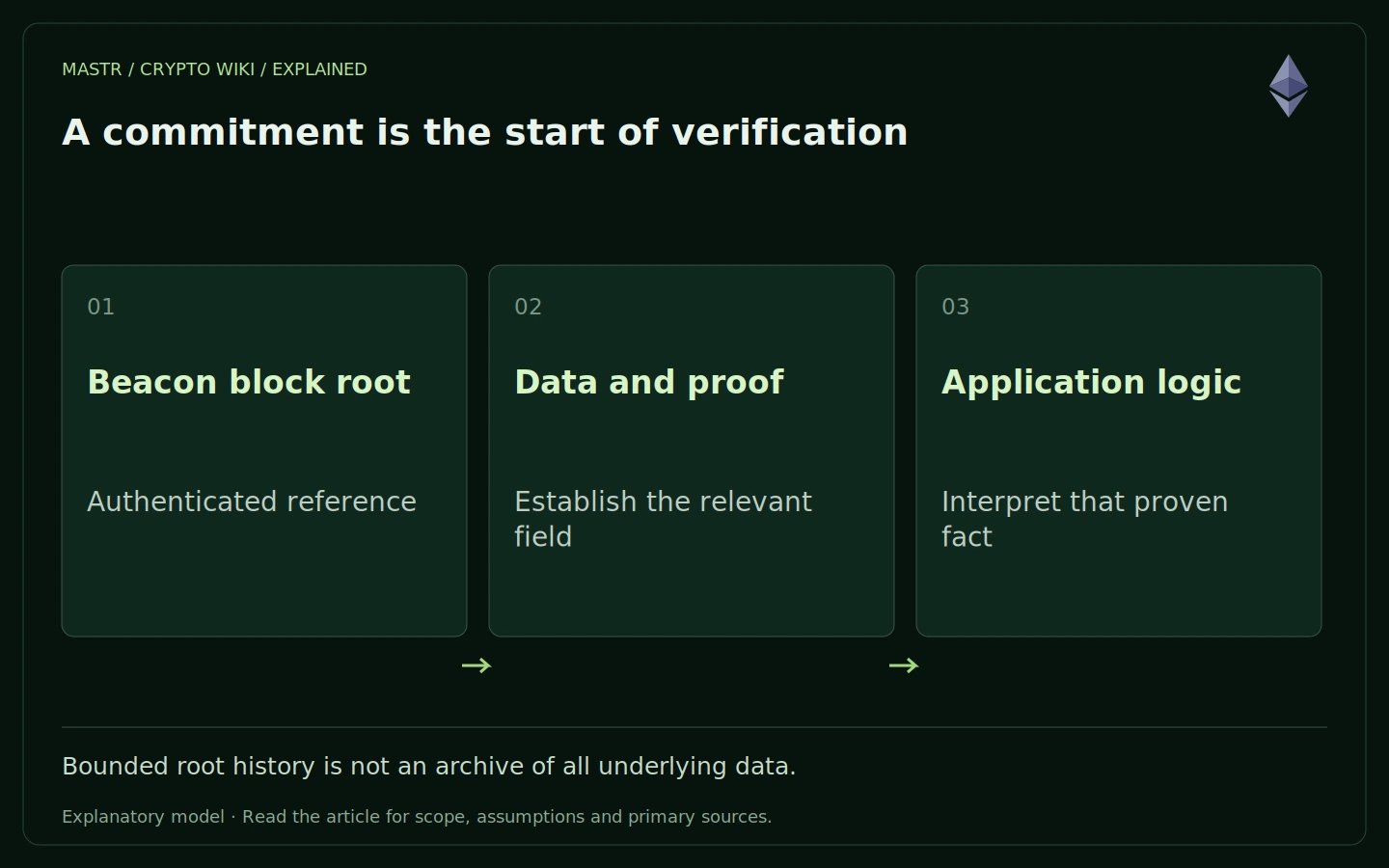
Ethereum exposes a consensus-layer commitment to contracts; the proof and interpretation still need work.
智能账户与治理
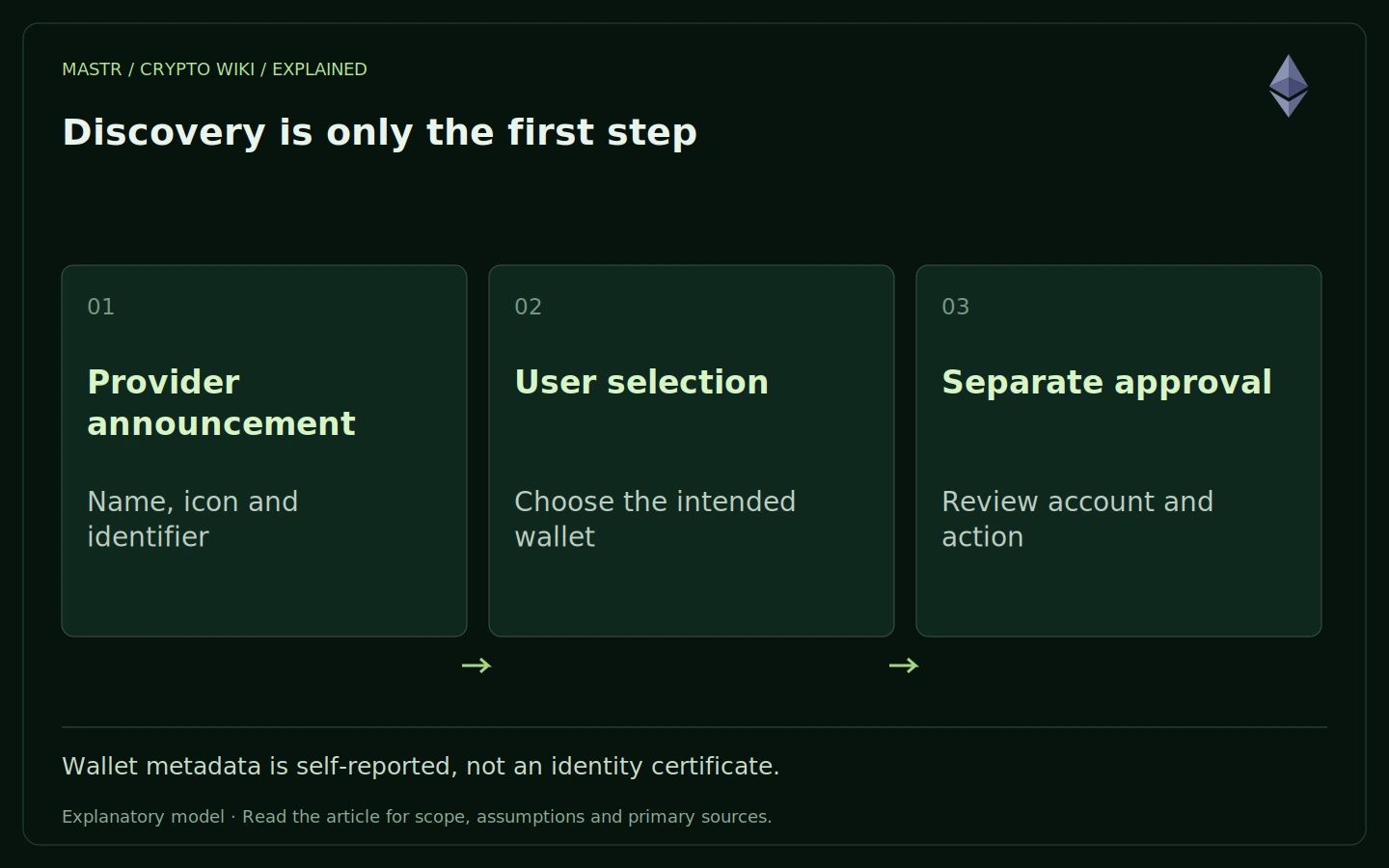
Provider discovery solves a coordination problem; names and icons remain self-reported.
Readable fields help, but the signed domain and replay controls still matter.
An account upgrade can change the code used when your address is called.
名称、身份与网络内容
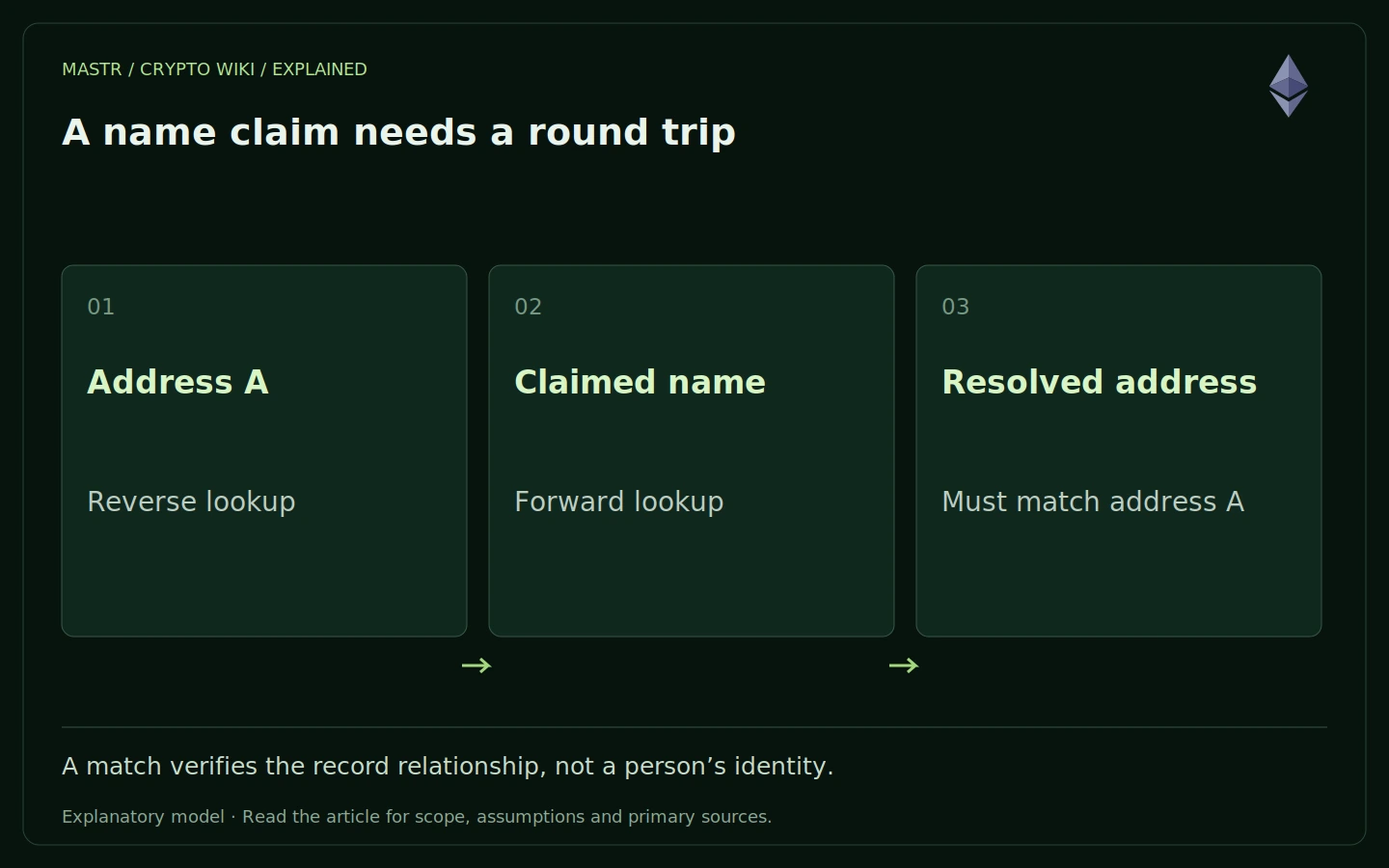
A readable name improves navigation only when the address relationship is verified.
An approval for a collection contract is broader than permission for the item pictured on a page.
Smart-wallet signatures depend on validation logic and state, not only public-key recovery.
A contract recognising a function set does not prove that its implementation behaves honestly.
The address users recognise can remain unchanged while the code they execute changes.
The time limit governs submission of the signature, not necessarily the life of the resulting approval.
Bundlers, account validation and optional paymasters split a transaction flow into distinct responsibilities.